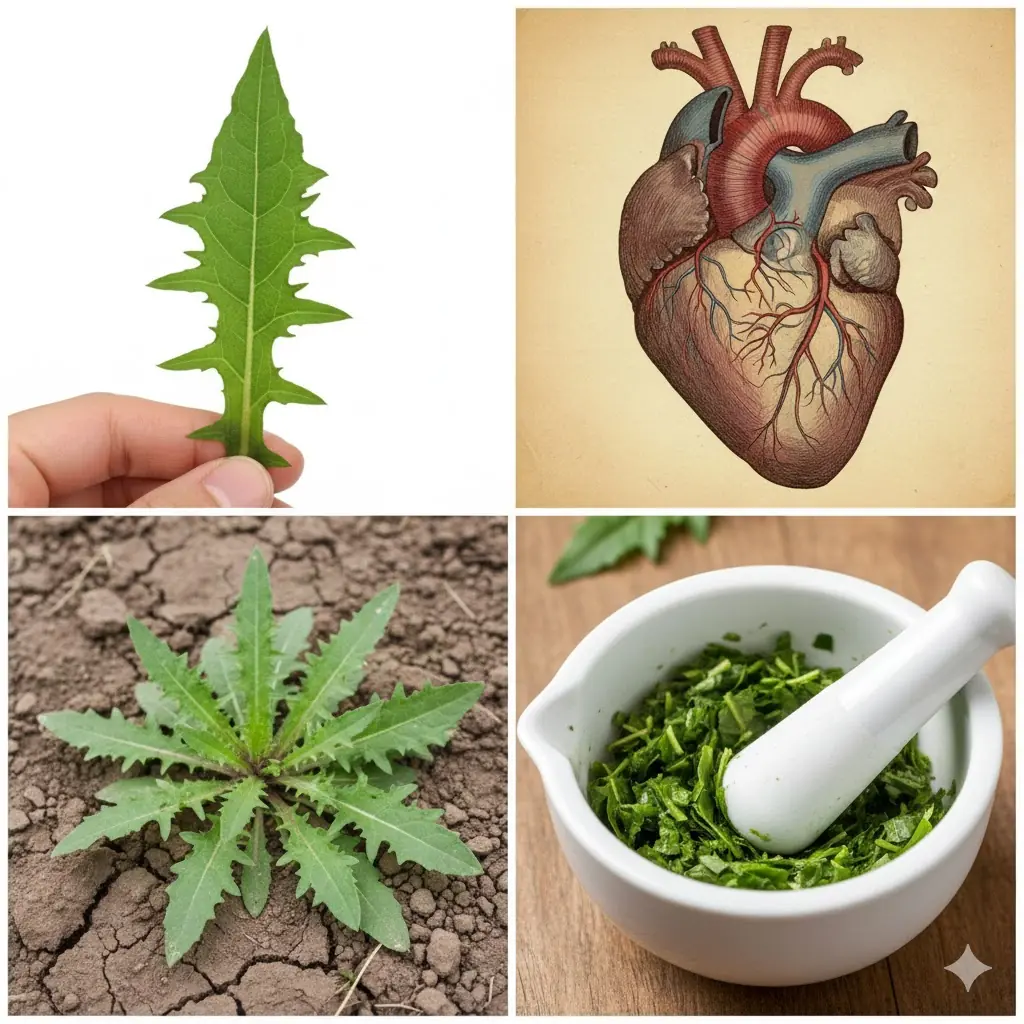
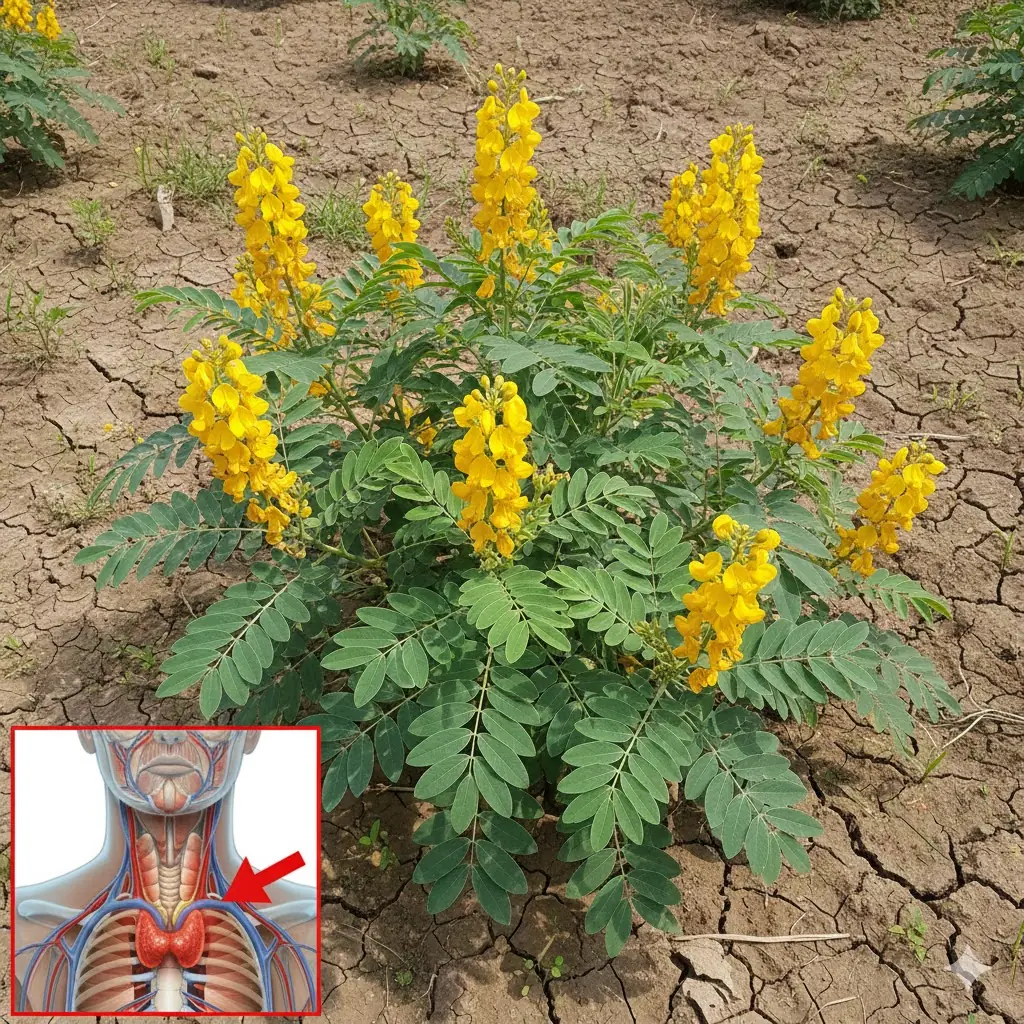
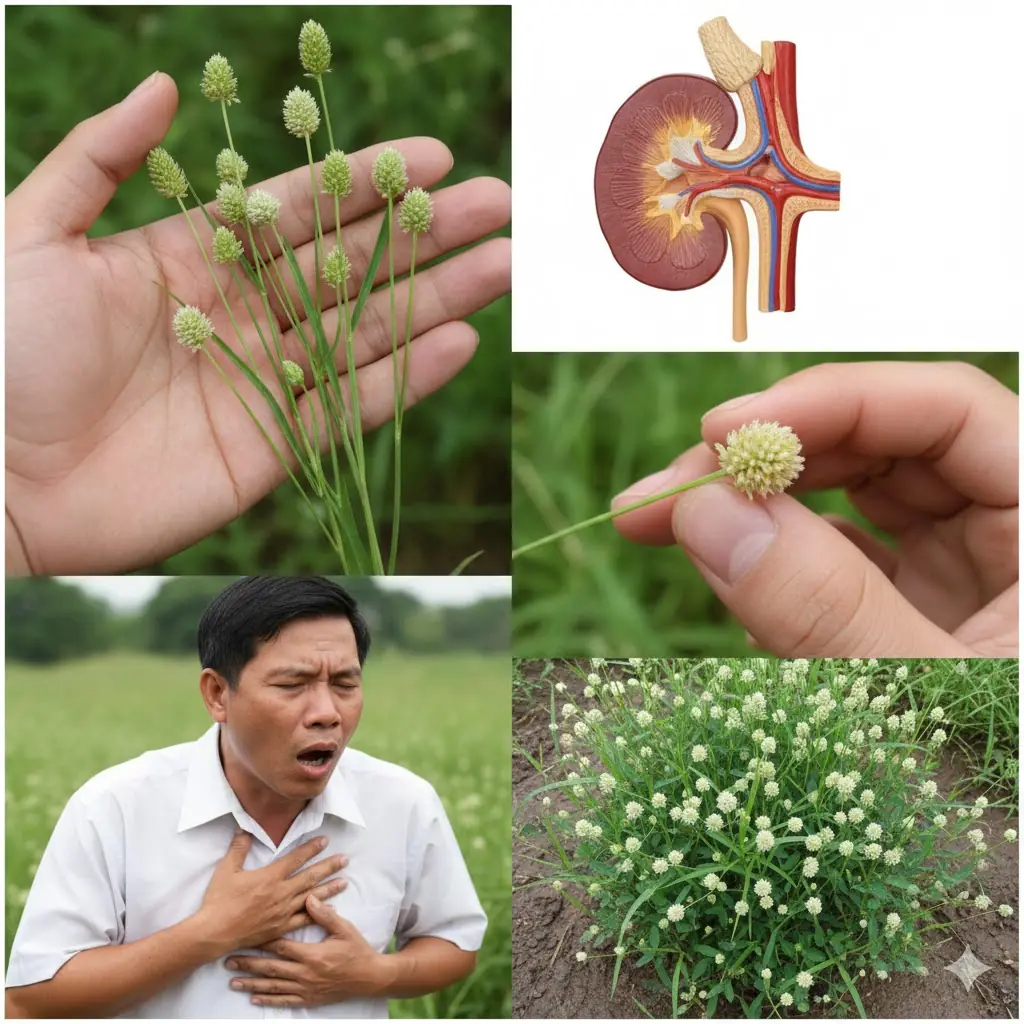
In the vast world of natural wellness, some of the most remarkable plants grow quietly beneath our feet—overlooked, stepped on, or dismissed as common weeds. Phyllanthus niruri, widely known as Stonebreaker, is one of those hidden treasures. For generations, traditional healers have regarded this modest herb as extraordinarily valuable. While saying “one leaf is worth a gold mine” is symbolic, it reflects the deep respect many cultures have for this small but multifunctional plant.
Used in folk medicine across South America, India, Africa, and Southeast Asia, Phyllanthus niruri has supported community health practices for centuries. Today, as interest in plant-based wellness continues to grow, this humble herb is once again gaining attention among herbalists, researchers, and natural health enthusiasts around the world.
What Is Phyllanthus Niruri?
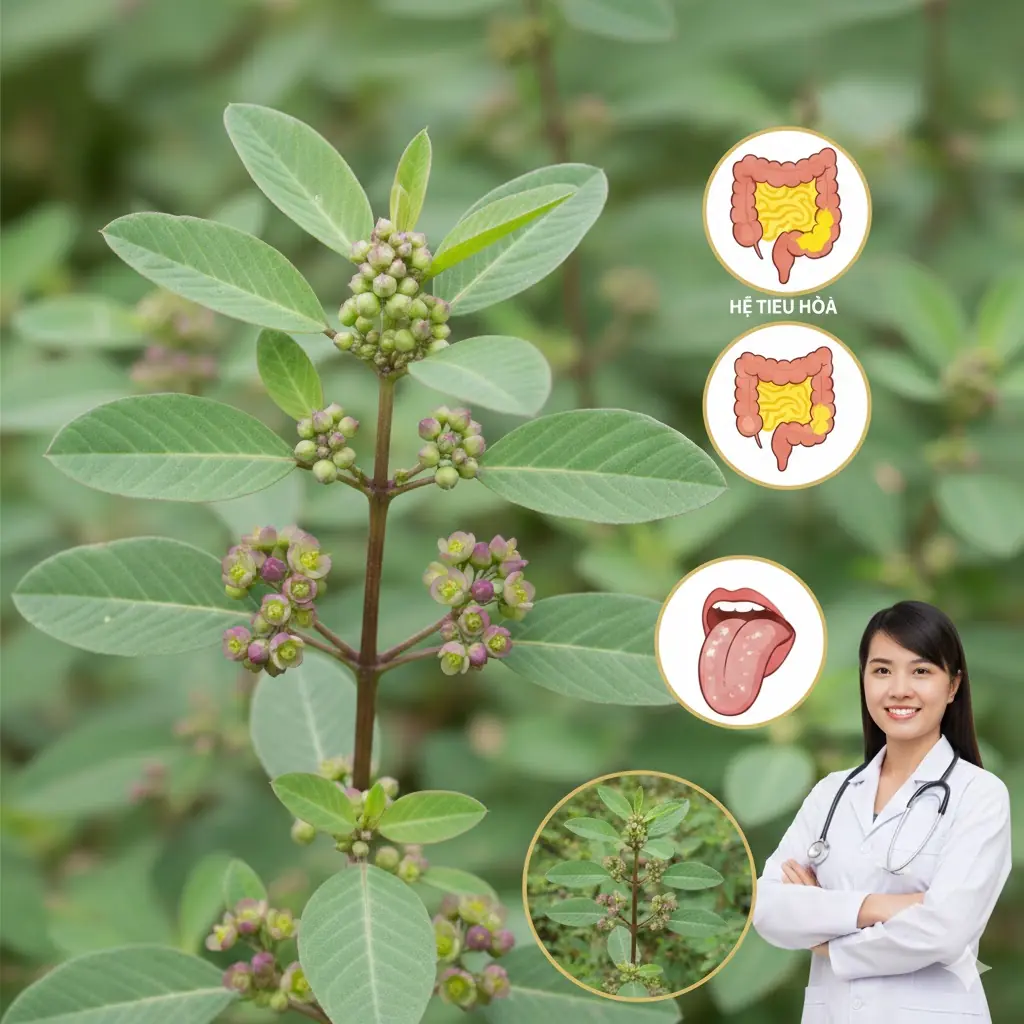
Phyllanthus niruri is a small, delicate annual herb with tiny oval leaves neatly arranged along slender, branching stems. It thrives in tropical and subtropical climates and often grows wild in gardens, open fields, and along roadsides. Despite its fragile appearance, it is remarkably resilient and adapts well to warm, humid environments.
It is known by many traditional names, including:
-
Stonebreaker
-
Chanca piedra
-
Quebra-pedra
-
Gale of the wind
Each name reflects a piece of its cultural history and traditional applications. Though physically modest, its reputation in herbal traditions is anything but small.
Why Is “One Leaf” Considered So Valuable?
The idea that “one leaf is worth a gold mine” is not literal—it symbolizes the plant’s concentrated properties and wide range of traditional uses. In many herbal systems, even a small amount was believed to offer meaningful daily support.
Traditionally associated benefits include:
-
Supporting healthy liver function
-
Assisting the body’s natural detoxification processes
-
Helping maintain kidney and urinary tract wellness
-
Providing antioxidant-rich plant compounds
-
Supporting digestive balance and overall vitality
In some communities, just a few leaves brewed into tea were considered sufficient for gentle, daily herbal maintenance. This reflects the broader philosophy of traditional medicine: small, consistent support rather than aggressive intervention.
A Long History of Liver Support
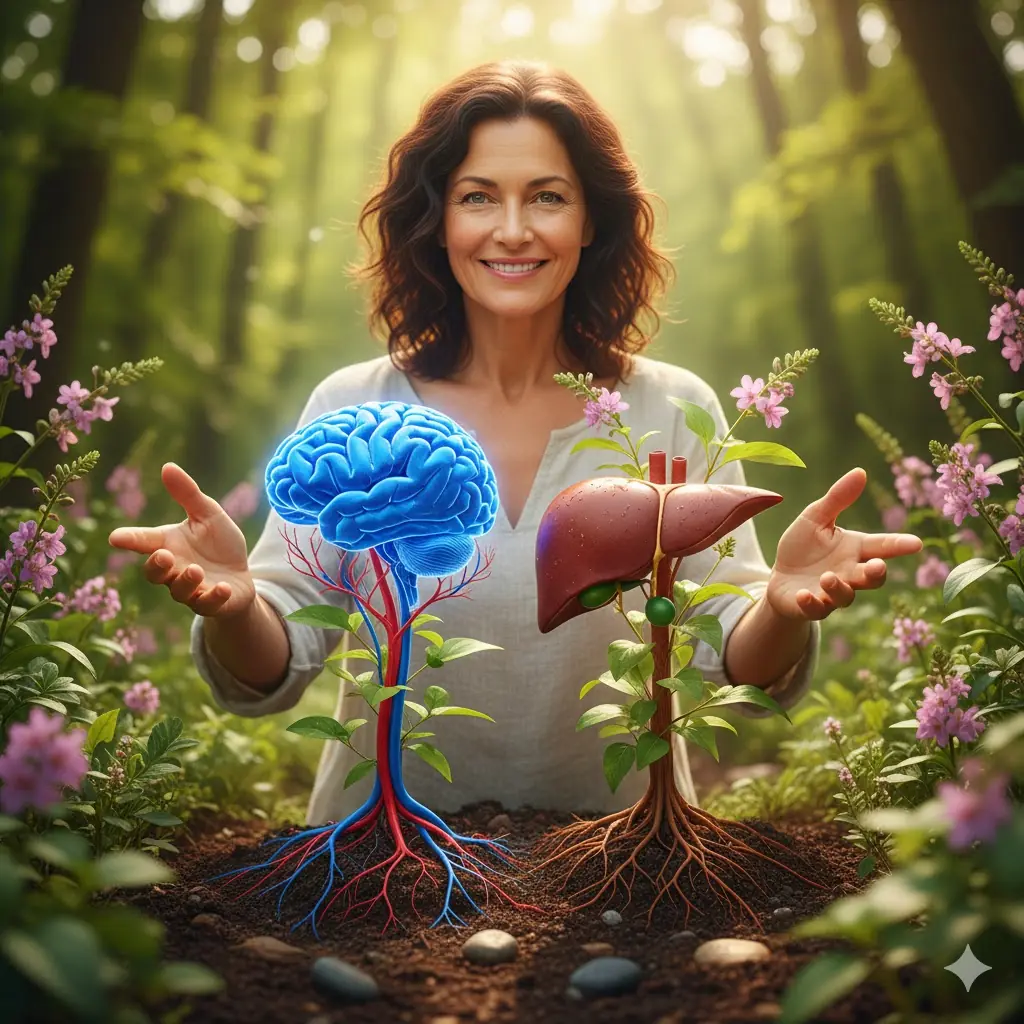
One of the most well-known traditional uses of Phyllanthus niruri relates to liver wellness. Across various cultures, it has been used during periods of dietary excess, seasonal transitions, or environmental stress. In traditional systems, the liver is often viewed as central to overall balance and vitality, which explains why herbs that “support” the liver are so highly valued.
Modern scientific interest focuses on its naturally occurring compounds, including:
-
Lignans
-
Flavonoids
-
Tannins
-
Alkaloids
These plant constituents are being studied for their antioxidant and protective properties. While research is ongoing and findings vary, preliminary studies have sparked renewed curiosity about how traditional knowledge aligns with modern investigation.
Important reminder: Phyllanthus niruri is not a cure for liver disease. Historically, it has been used as supportive care—not as a substitute for professional medical treatment.
Stonebreaker and Kidney Support: The Origin of Its Name
The nickname “Stonebreaker” comes from its long-standing traditional use in supporting kidney and urinary health. In certain regions—particularly hot climates where dehydration is common—herbal practitioners used it to help maintain urinary flow and mineral balance.
Its popularity grew in areas where kidney stones were a frequent concern. While the name may sound dramatic, it reflects traditional belief rather than a guaranteed medical outcome. Today, researchers continue exploring its potential role in urinary system support.
Additional Traditional Uses
Beyond liver and kidney wellness, Phyllanthus niruri has also been used in traditional settings to:
-
Support gentle digestive function
-
Promote overall internal balance
-
Contribute to immune system resilience
-
Provide general antioxidant support
In many herbal traditions, plants were rarely used for just one purpose. Instead, they were valued for their holistic contribution to overall well-being.
How Is Phyllanthus Niruri Commonly Used?
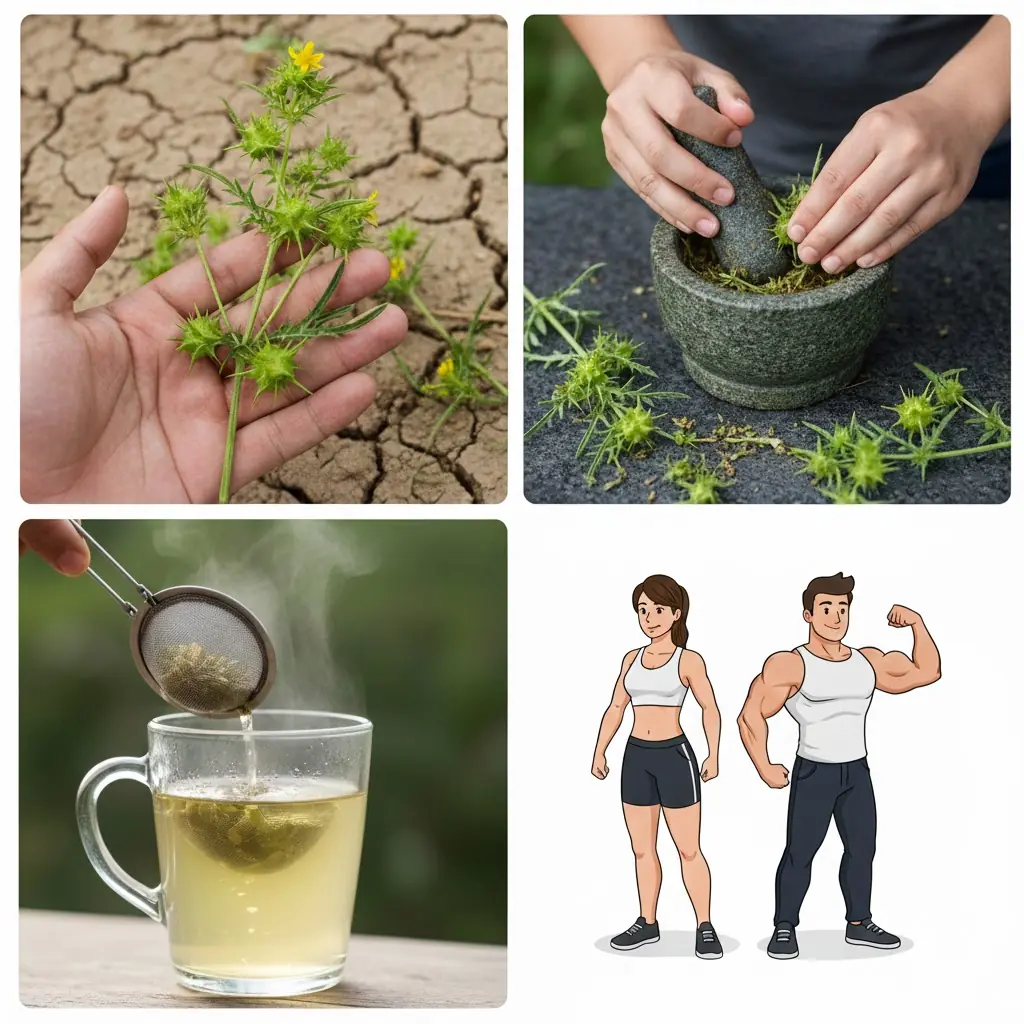
1. Herbal Tea (Most Traditional Method)
Fresh or dried leaves are steeped in hot water to create a mild, earthy tea. This remains the most traditional and widely practiced preparation.
2. Powdered Form
The dried leaves and stems are ground into a fine powder. This powder can be placed into capsules or mixed into warm water.
3. Liquid Extracts
Modern herbal supplements often use standardized extracts to provide consistent dosage and convenience.
As with all herbal products, quality sourcing and proper identification are essential to ensure safety and effectiveness.
Why It’s Gaining Attention Again
In recent years, interest in natural health approaches has expanded significantly. Growing curiosity around:
-
Plant-based detox routines
-
Liver-supportive herbs
-
Traditional botanical medicine
-
Minimalist and preventive wellness lifestyles
has brought Phyllanthus niruri back into the spotlight. Social media platforms and alternative health communities have amplified awareness, encouraging people to rediscover long-standing herbal traditions.
Many individuals today are drawn to remedies that are:
-
Rooted in historical use
-
Plant-based and minimally processed
-
Accessible and affordable
-
Aligned with holistic wellness philosophies
This renewed interest reflects a broader shift toward integrating traditional knowledge with modern research.
Safety and Responsible Use
Even natural remedies should be approached thoughtfully and responsibly.
General considerations include:
-
Not recommended during pregnancy without professional guidance
-
May interact with certain medications
-
Should not be used continuously for long periods without breaks
-
Proper identification and quality control are essential
Anyone with a medical condition or taking prescription medication should consult a qualified healthcare professional before incorporating herbal supplements into their routine.
Natural does not always mean risk-free, and personalized advice is important.
Final Thoughts: A Small Plant with a Big Legacy
Phyllanthus niruri demonstrates that true value isn’t measured by size. A tiny leaf from a plant often ignored in everyday life has earned global recognition through centuries of traditional practice.
Is one leaf truly worth a gold mine?
In terms of cultural heritage, accumulated herbal wisdom, and its role in natural wellness traditions, many would say it is priceless.
Sometimes, the greatest treasures grow quietly at ground level—waiting to be recognized.