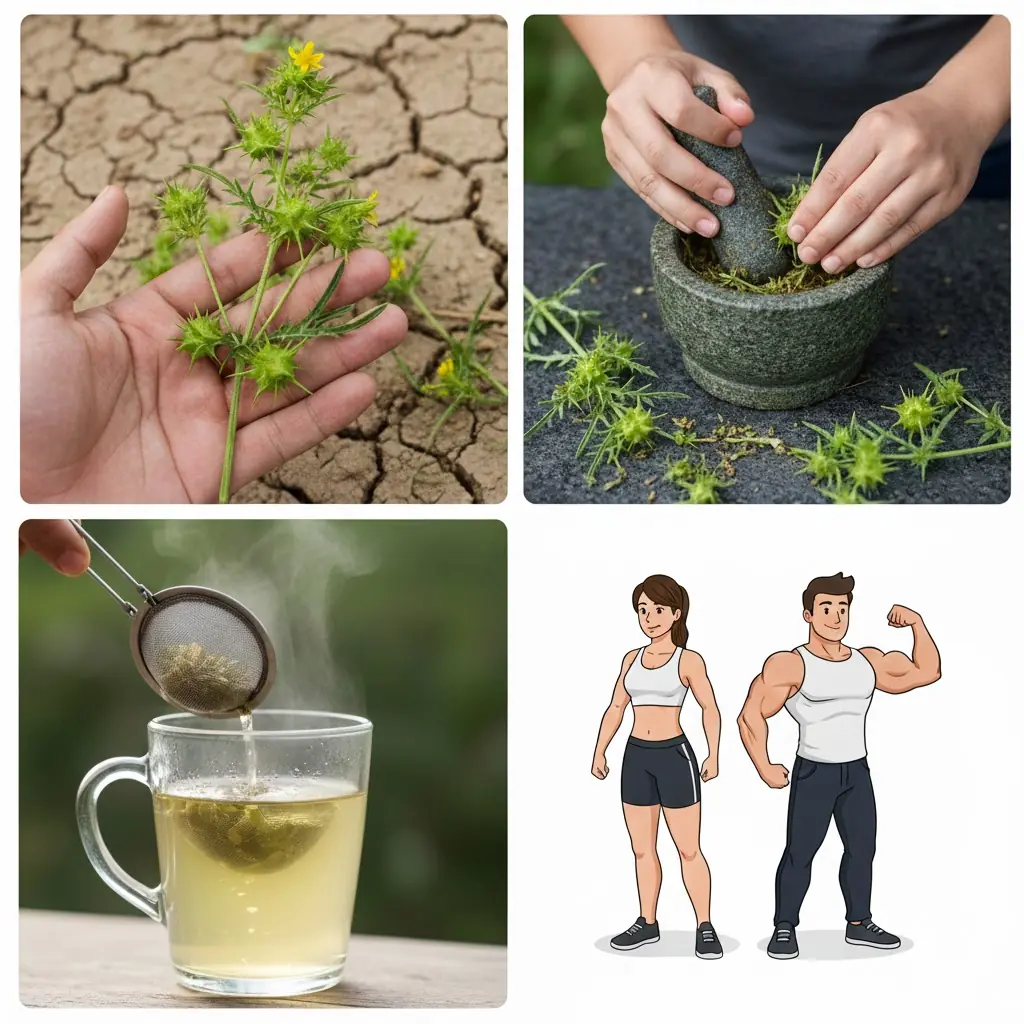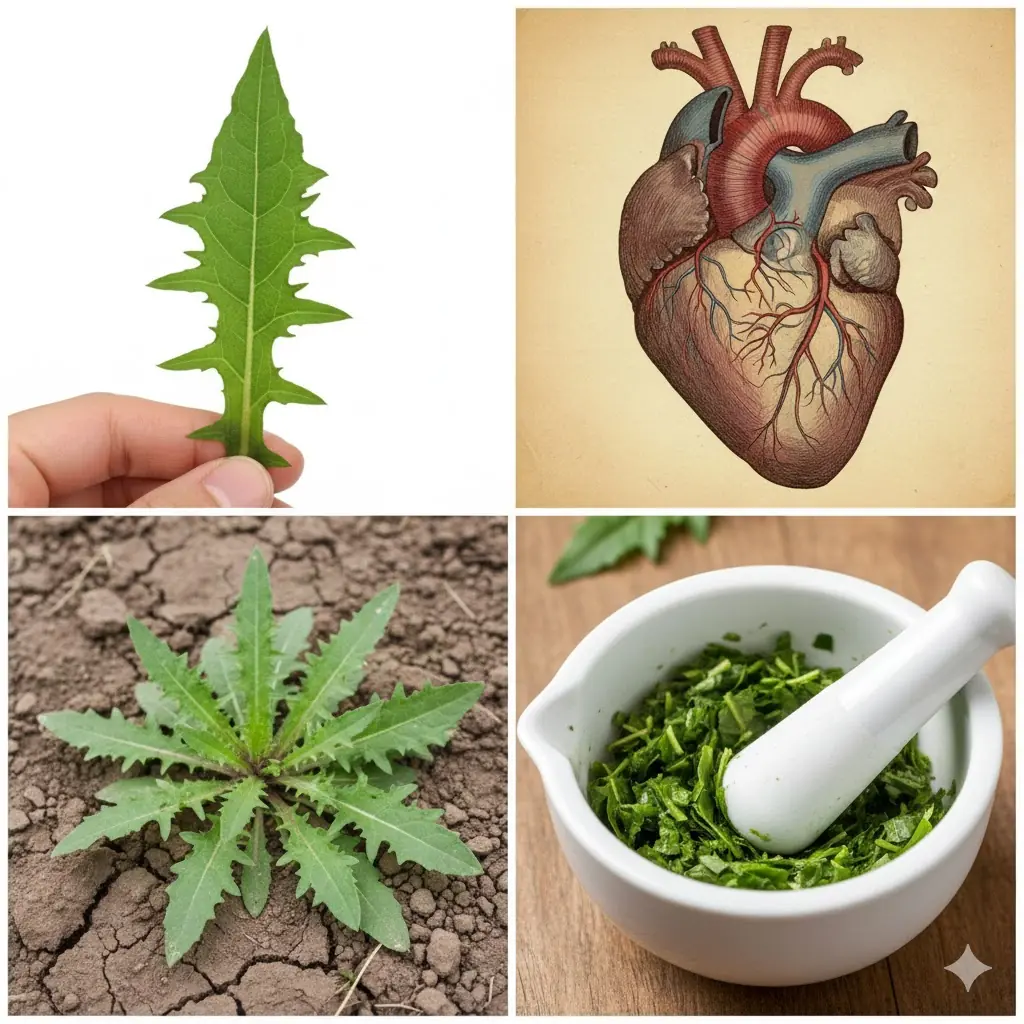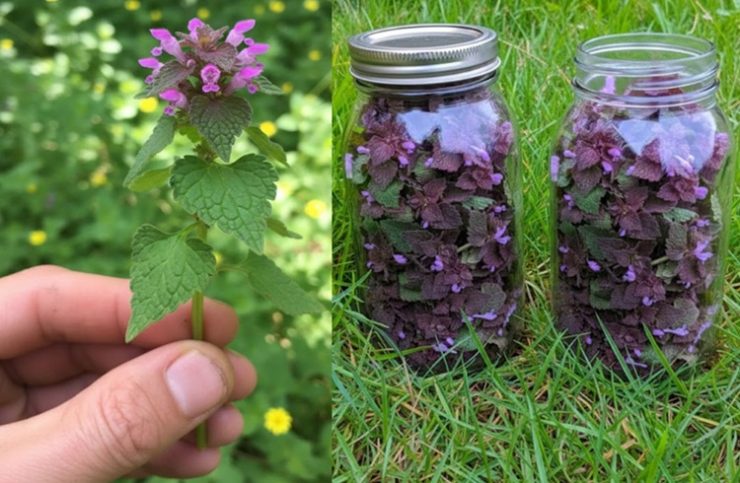
Lamium purpureum, commonly known as purple dead nettle, is one of those overlooked wild plants that many people walk past without a second glance. Despite its misleading name, it is not a true nettle and does not sting. Instead, it belongs to the mint family (Lamiaceae), which explains its square stems and mild, slightly herbal flavor. Beneath its delicate appearance lies a surprisingly nutritious and versatile herb that has earned growing appreciation in natural wellness circles.
Found in open fields, garden beds, roadsides, and even urban lawns, purple dead nettle thrives in disturbed soil and cooler temperatures. It often appears in early spring, making it one of the first edible wild greens to emerge after winter. For foragers and herbal enthusiasts, this early arrival makes it especially valuable as a seasonal source of fresh plant nutrients.
What Is Purple Dead Nettle?
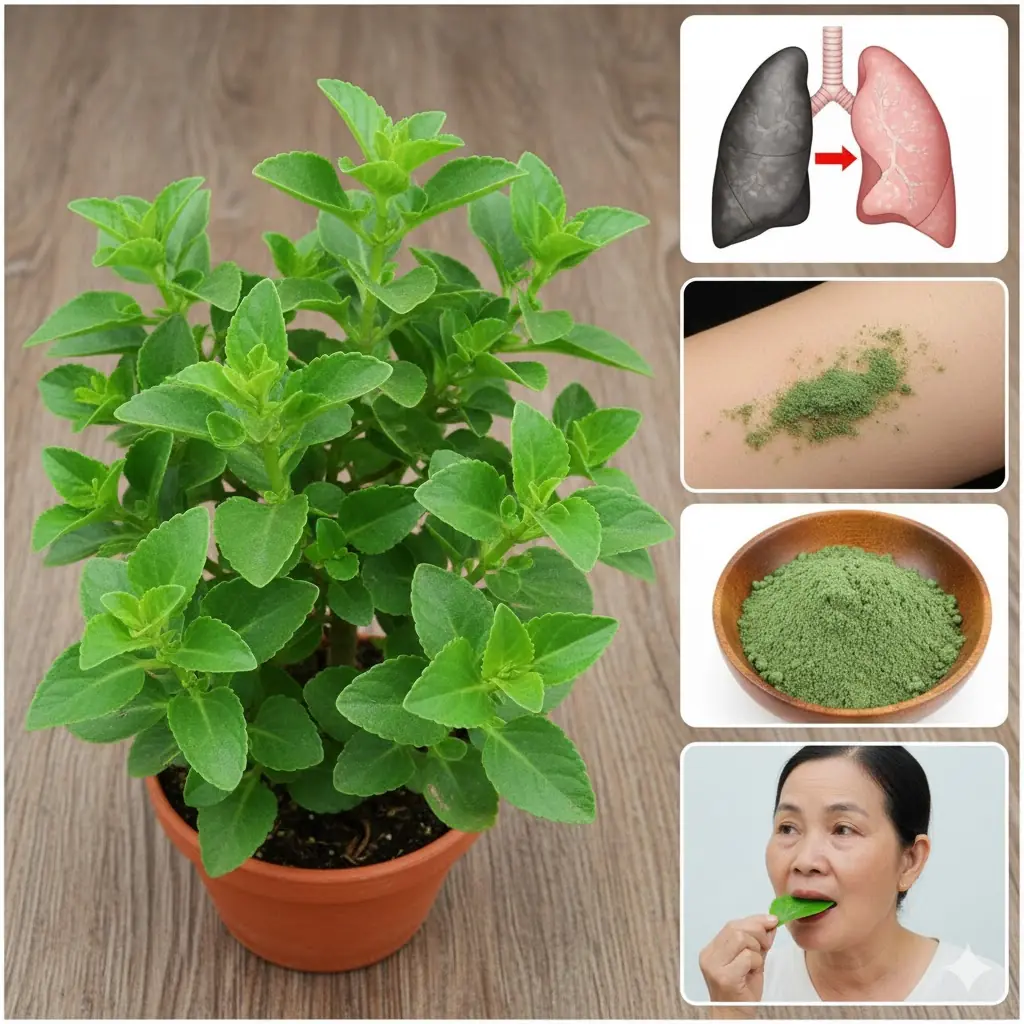
Purple dead nettle is a low-growing annual plant that forms small clusters close to the ground. It is easy to recognize by several distinctive features:
-
Soft, heart-shaped or triangular leaves
-
Purple-tinted upper leaves
-
Tiny pink to purplish tubular flowers
-
Square stems typical of mint family plants
The plant usually grows 10–30 cm tall and spreads gently across the soil surface. Because it is so common and resilient, it is often considered a weed—yet many traditional herbal practices view it as a useful spring tonic.
Key Benefits of Purple Dead Nettle
1. Rich in Nutrients
Purple dead nettle contains a variety of beneficial nutrients, including:
-
Vitamins A and C
-
Iron
-
Magnesium
-
Natural antioxidants
-
Dietary fiber
These nutrients support overall wellness, energy, and vitality. As an early spring green, it can help diversify the diet after months of limited fresh produce in colder climates.
2. Natural Anti-Inflammatory Support
Traditionally, purple dead nettle has been used to soothe mild inflammation. Its plant compounds may contribute to overall comfort in joints and muscles when consumed regularly as part of a balanced diet. While not a substitute for medical treatment, it has long been valued in folk herbal traditions for gentle support.
3. Supports Immune Health
Thanks to its antioxidant content, purple dead nettle may help the body maintain a healthy immune response. Antioxidants assist the body in managing oxidative stress, which plays a role in overall cellular health.
4. Gentle Support During Seasonal Changes
Some people enjoy purple dead nettle tea or tincture during spring months. Its traditional use suggests it may help the body adapt more comfortably to seasonal transitions, particularly during pollen-heavy periods.
5. A Mild, Digestive-Friendly Green
Because it contains fiber and is easy to digest when prepared properly, purple dead nettle can support digestive regularity. Its mild taste makes it approachable even for those new to wild greens.
How to Use Purple Dead Nettle
One of the most appealing qualities of purple dead nettle is its versatility. The young leaves and flowering tops are typically used. Here are several common preparation methods:
1. Herbal Tea
Steep fresh or dried leaves in hot water for 10–15 minutes. The flavor is mild, slightly earthy, and soothing—perfect for a light spring infusion.
2. Smoothies
Add a small handful of young leaves to smoothies for an extra nutritional boost. It blends well with fruits and greens without overpowering the flavor.
3. Fresh Salads
The tender tops can be added raw to salads, offering a subtle herbal note and attractive color.
4. Soups and Stir-Fries
Use it similarly to spinach. Add near the end of cooking to preserve nutrients and texture.
5. Tinctures and Herbal Oils
In traditional herbal preparations, purple dead nettle is sometimes infused into oils or alcohol-based tinctures for external or internal use, depending on the preparation method.
Precautions
-
Always positively identify wild plants before consuming them.
-
Harvest only from clean areas free of pesticides or pollution.
-
Pregnant or breastfeeding individuals should consult a qualified professional before introducing new herbs.
-
As with any plant, individual sensitivities may occur.
This article is for educational purposes only and does not replace professional medical advice.
A Humble Yet Valuable Spring Herb
Though often dismissed as a common weed, purple dead nettle is anything but ordinary. Its nutrient content, gentle flavor, and wide range of traditional uses make it a valuable addition to seasonal wellness routines. Whether enjoyed as tea, blended into a smoothie, or tossed into a fresh salad, this resilient little plant reminds us that nature often places its most useful gifts right at our feet.
For those interested in foraging, herbal preparations, or simply expanding their knowledge of edible wild plants, purple dead nettle is a beautiful and accessible place to begin.