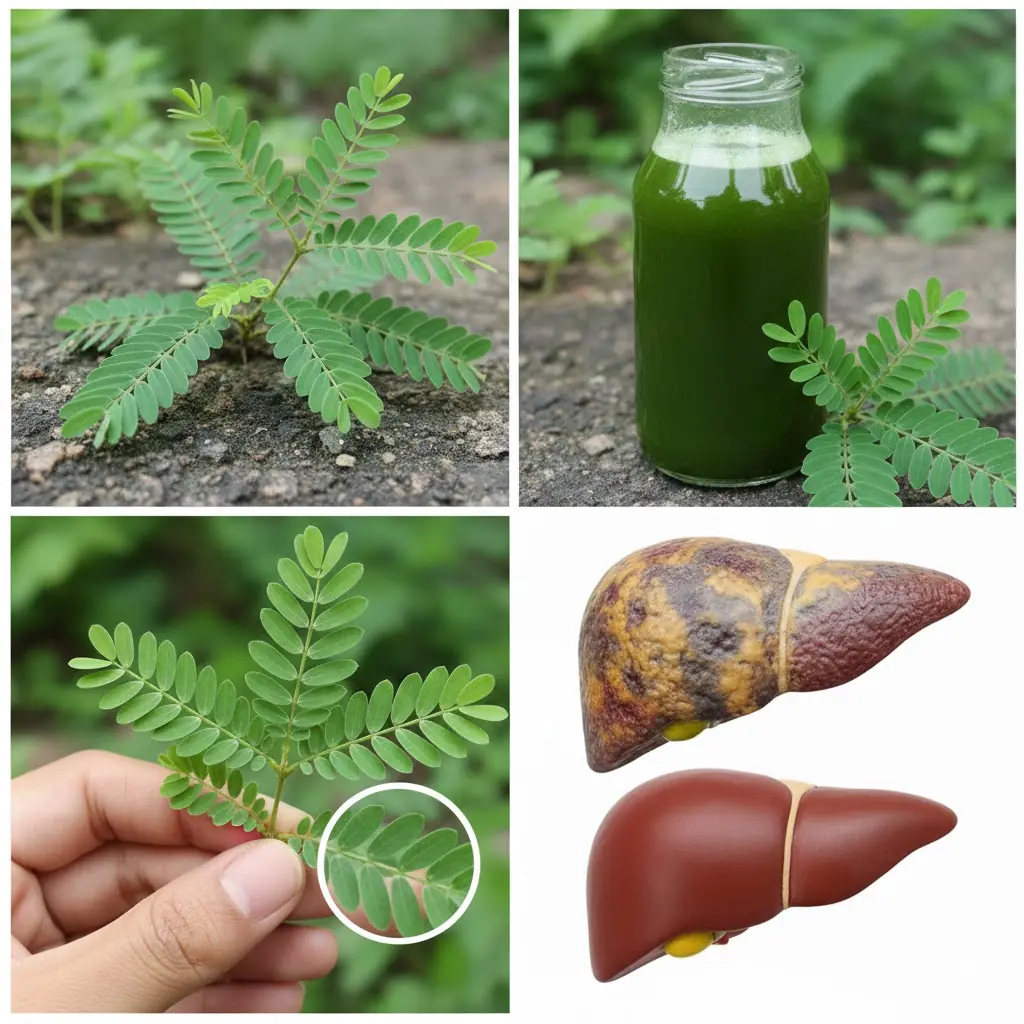
🩺 Wild Lettuce Root: A Traditional Herbal Remedy for Pain Relief, Relaxation, and Gentle Detox Support
What if a single plant could offer natural support for discomfort, nervous tension, inflammation, and overall cleansing—without relying on synthetic chemicals?
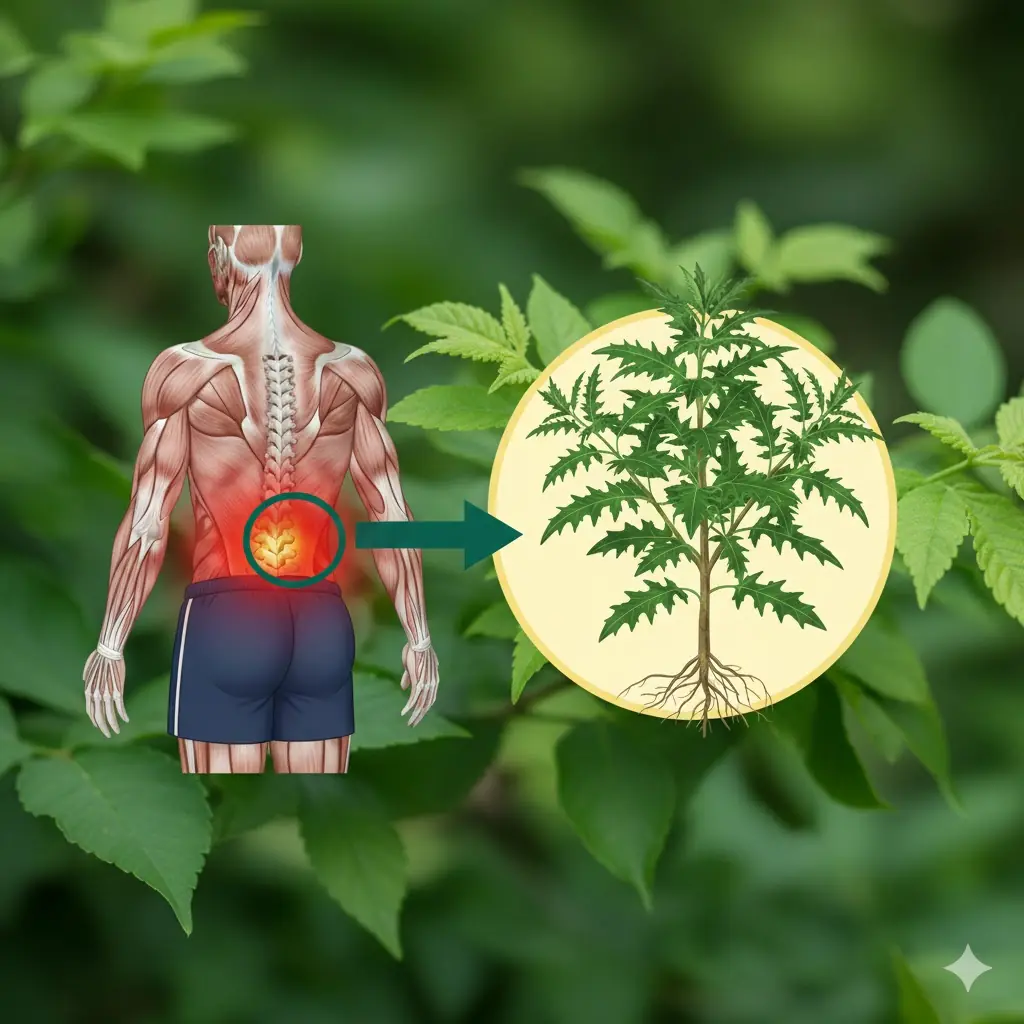
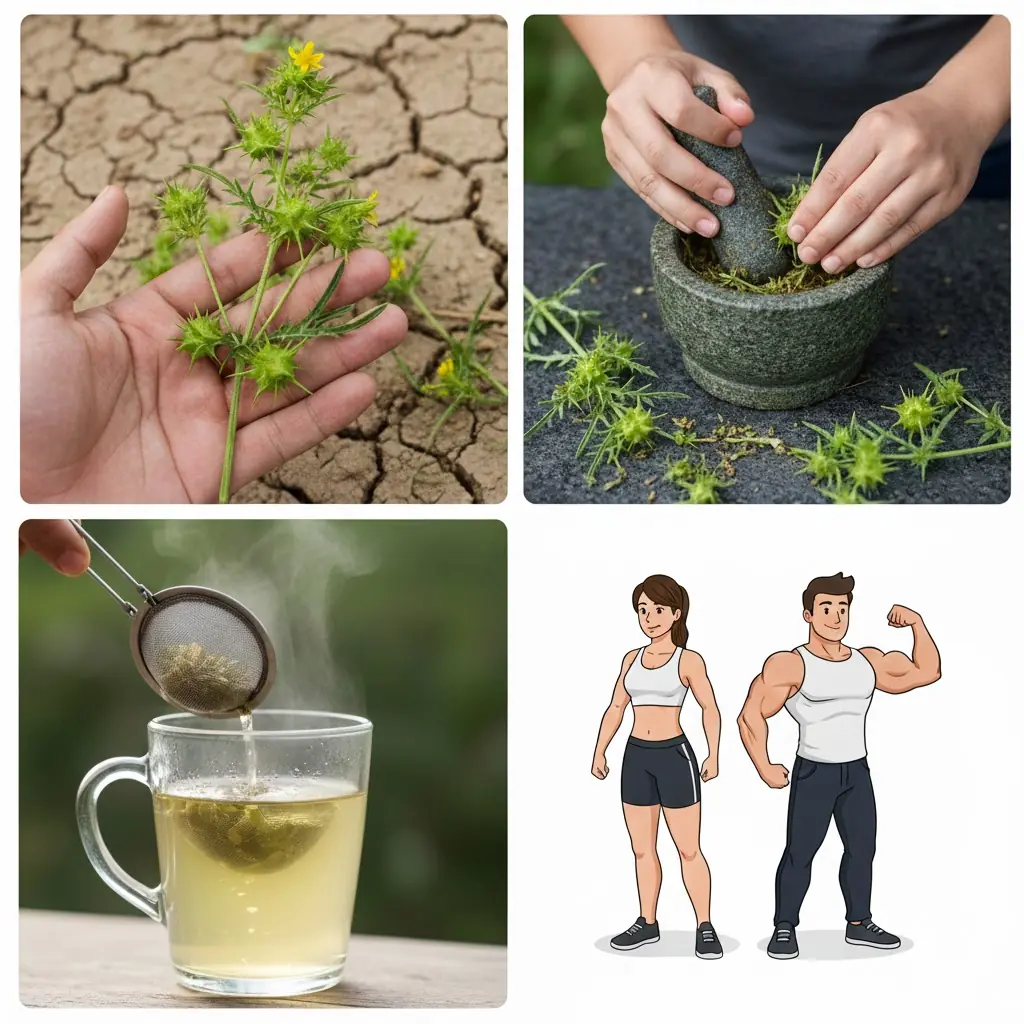
One such plant is wild lettuce, scientifically known as Lactuca virosa. Though modest in appearance, this hardy wild herb has been valued in traditional European and Middle Eastern herbal practices for centuries. While the leaves are commonly used for mild relaxation and sleep support, many herbalists believe the root contains a more concentrated profile of beneficial plant compounds.
Wild lettuce typically grows in dry, rocky soil, along roadsides, and in uncultivated fields. Often overlooked as a simple weed, it has earned the nickname “natural lettuce opium” in folk traditions because of its calming and pain-soothing properties—though it is not an opiate and does not function the same way.
In this guide, you’ll learn how to prepare a simple homemade wild lettuce root infusion, explore its traditional benefits, understand its properties, and review important precautions for safe use.

🍶 Traditional Herbal Infusion with Wild Lettuce Root
Ingredients
-
1 fresh or dried wild lettuce root (Lactuca virosa)
-
1 cup (250 ml) water
-
1 tablespoon raw honey (optional)
-
1 glass jar with an airtight lid
Preparation
-
Wash the root thoroughly to remove dirt and debris.
-
Chop it into small pieces to increase surface area.
-
Add the root to a pot with water and bring to a gentle boil.
-
Reduce heat and simmer for 10 minutes.
-
Turn off the heat, cover, and let steep for 15 minutes.
-
Strain the liquid into a glass jar.
-
Add honey once slightly cooled to soften the naturally bitter flavor.
How to Consume
-
Drink one warm cup in the morning on an empty stomach.
-
Drink a second cup in the evening before bed if needed.
-
Do not exceed two cups daily.
-
Use for 7–10 days, then pause for one week before repeating.
This moderate schedule allows the body to respond while minimizing the risk of overuse.
🌱 Storage and Preservation
The prepared infusion can be stored in the refrigerator for up to three days.
For longer preservation, you may prepare a macerated extract:
-
Place chopped root in 70% alcohol or apple cider vinegar.
-
Store in a dark place for 21 days, shaking gently every few days.
-
Strain and store in a dark glass bottle.
This extract is typically used in diluted drops or applied externally.
💪 Traditional Benefits of Wild Lettuce Root
Wild lettuce root has been traditionally associated with the following supportive effects:
-
Eases muscle and joint discomfort
-
Promotes relaxation and emotional calm
-
Supports restful sleep
-
Encourages natural detox pathways
-
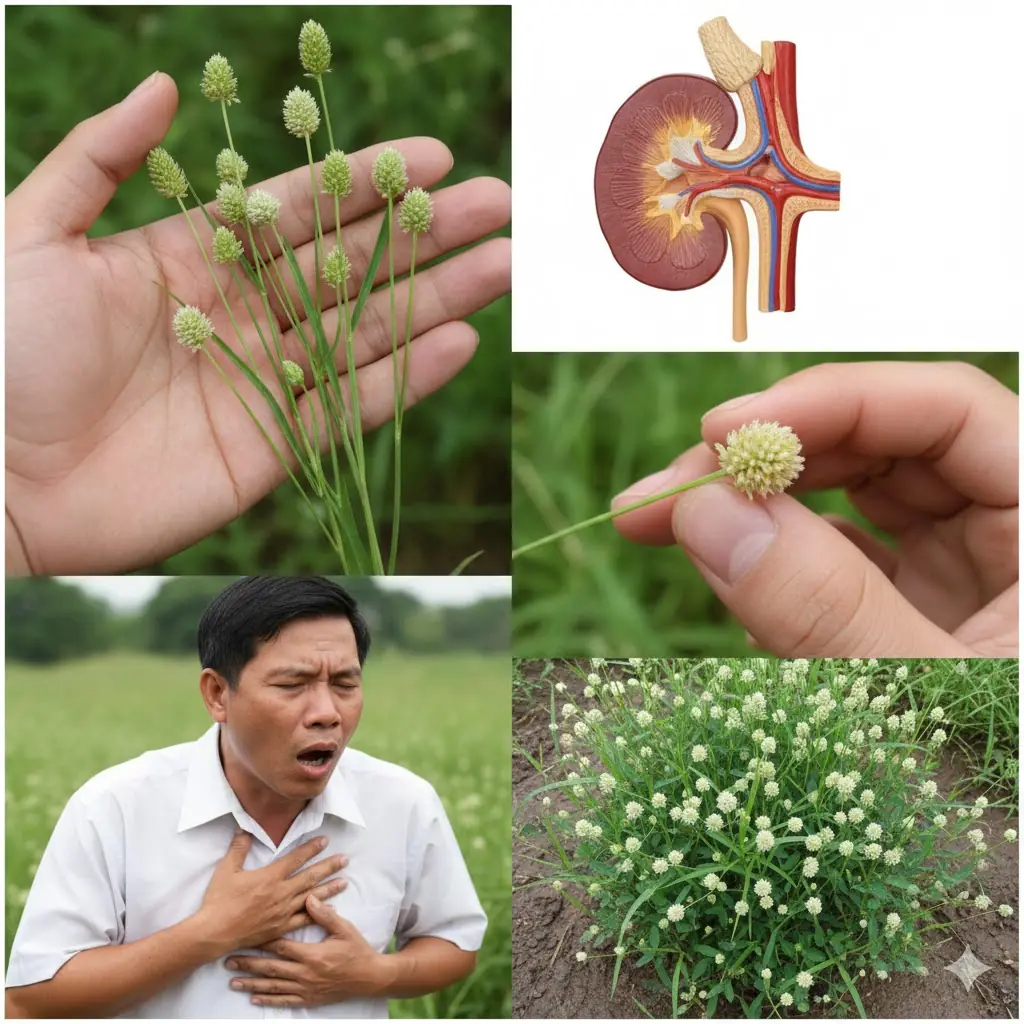
Supports liver and kidney function
-
Helps reduce mild inflammation
-
Encourages healthy sweating during fever
-
Relaxes muscle spasms
-
Supports smoother digestion
-
May reduce bloating
-
Assists fluid balance
-
Supports cardiovascular wellness
-
Encourages immune resilience
-
May reduce tension headaches
-
Supports respiratory comfort
-
Encourages circulation
-
Helps reduce physical fatigue
-
Traditionally used as a mild, non-habit-forming sedative
-
May ease menstrual discomfort
-
Provides antioxidant plant compounds
While traditional use supports these claims, individual responses vary, and scientific evidence is still evolving.
⚗️ Key Herbal Properties
| Property | Traditional Role |
|---|---|
| Natural analgesic | Supports relief of muscular and joint discomfort |
| Mild sedative | Encourages relaxation and sleep |
| Antispasmodic | Helps ease cramping |
| Anti-inflammatory | Supports tissue comfort |
| Detoxifying | Encourages elimination pathways |
| Hepatoprotective | Supports liver function |
| Diuretic | Promotes fluid balance |
| Antioxidant | Helps combat oxidative stress |
| Expectorant | Supports bronchial comfort |
| Nervous system regulator | Encourages emotional balance |
Wild lettuce contains lactucin and lactucopicrin, compounds believed to contribute to its calming and pain-relieving effects.
⚠️ Precautions and Contraindications
Although natural, wild lettuce root should be used responsibly.
-
Not recommended during pregnancy or breastfeeding
-
Not suitable for children under 12
-
Avoid combining with sedatives, sleep medications, or alcohol
-
Do not exceed recommended amounts
-
May cause mild drowsiness or dizziness
-
Consult a healthcare professional if you have chronic liver, kidney, or neurological conditions
-
Avoid long-term continuous use without breaks
Natural remedies are most effective when used mindfully and in moderation.
🌼 How to Identify Wild Lettuce
Lactuca virosa typically has:
-
Tall upright stems with a purplish or reddish tint
-
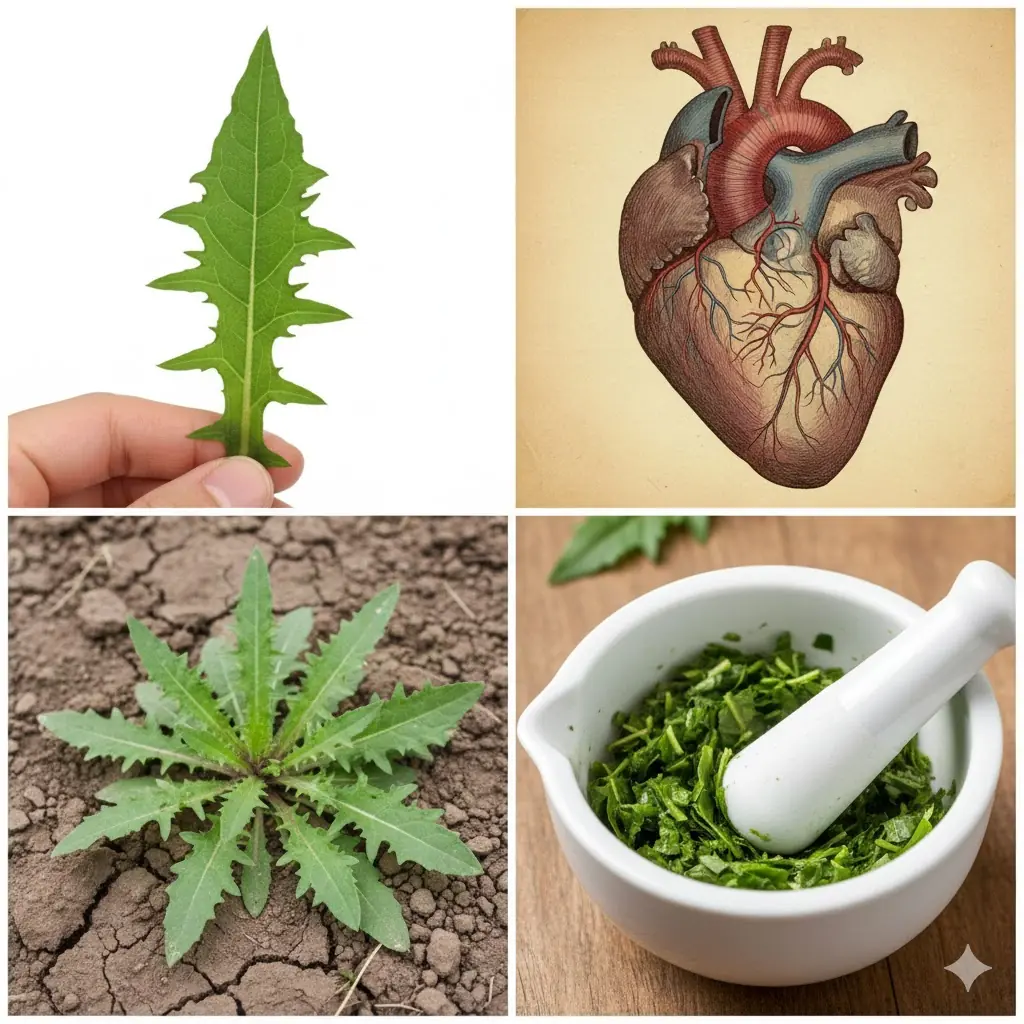
Jagged, elongated green leaves
-
White milky sap when cut (a key identifying feature)
-
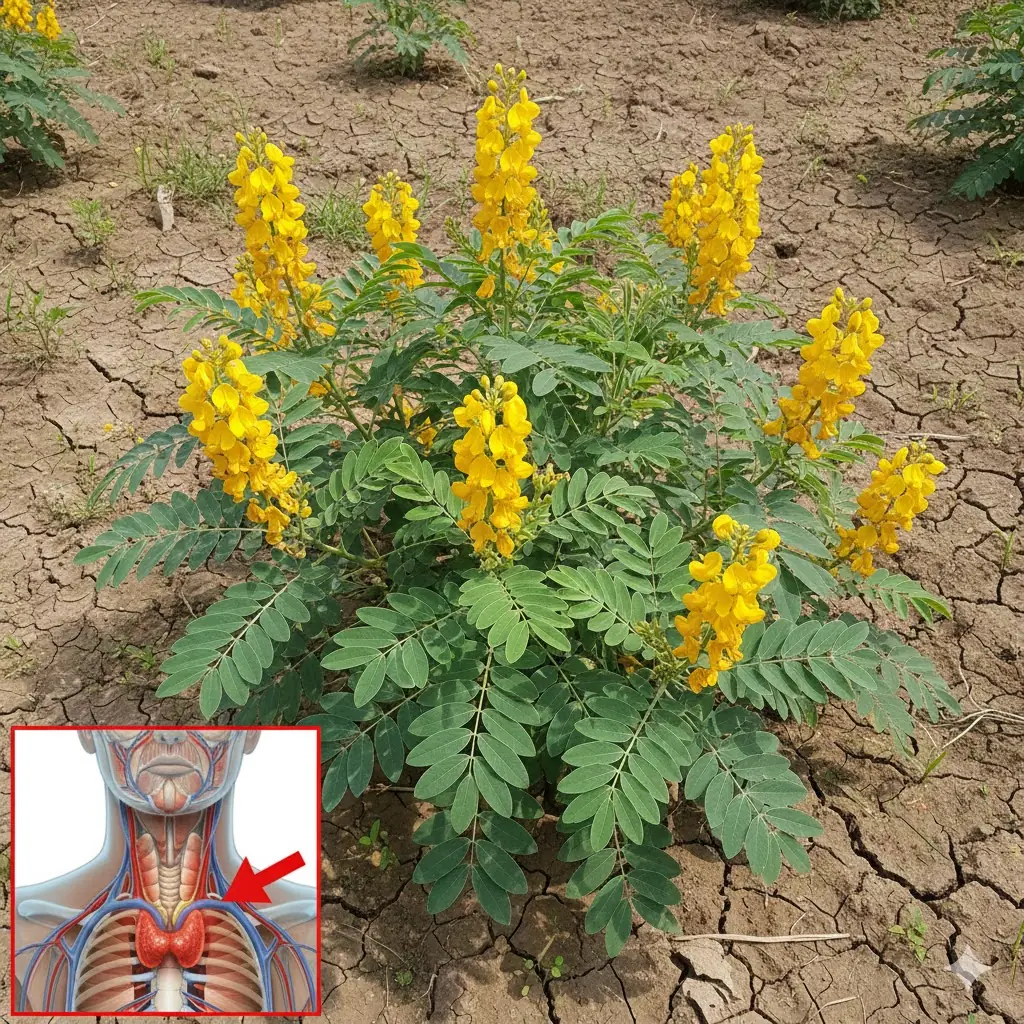
Yellow dandelion-like flowers in late summer
The root is thick and fibrous with a bitter aroma. It is often confused with common garden lettuce or dandelion, but the milky sap and tall branching structure help distinguish it.
Proper identification is essential before harvesting any wild plant.
🧪 Other Traditional Uses
-
Herbal poultice: Cooked and mashed root applied externally to sore areas
-
Alcohol tincture: Diluted drops traditionally used for nervous tension
-
Relaxing bath: Add decoction to warm bathwater
-
Dry cough blend: Combine infusion with honey and lemon
-
Herbal liver blend: Traditionally paired with dandelion root
🌿 Suggested Duration of Use
For best results:
-
Use for 7 days
-
Rest for 3 days
-
Repeat if needed
Do not exceed three consecutive weeks without a longer break.
Cycling herbal remedies helps prevent tolerance and allows the body to reset naturally.
🌍 Other Complementary Herbal Roots
Wild lettuce root is sometimes combined with:
-
Dandelion root for liver support
-
Burdock root for skin and blood cleansing
-
Valerian root for deeper relaxation
-
Ginseng root for vitality
-
Ginger root for anti-inflammatory support
When thoughtfully combined, these herbs may work synergistically to support overall balance.
🧭 Final Thoughts
The root of Lactuca virosa remains one of traditional herbalism’s lesser-known allies. Its calming nature, gentle pain-supporting properties, and detox-supportive reputation make it a fascinating plant in the world of natural wellness.
However, it is not a miracle cure, nor a replacement for medical treatment. Used wisely, respectfully, and in moderation, wild lettuce root may serve as a supportive addition to a balanced lifestyle.
🌿 Nature offers many tools for well-being—learning how to use them responsibly is the true art of herbal care.