The Simple Onion Water Ritual: A Natural Way to Refresh Your Scalp and Improve Hair Feel Over Time
Health 29/03/2026 21:24
 Cleveland Clinic
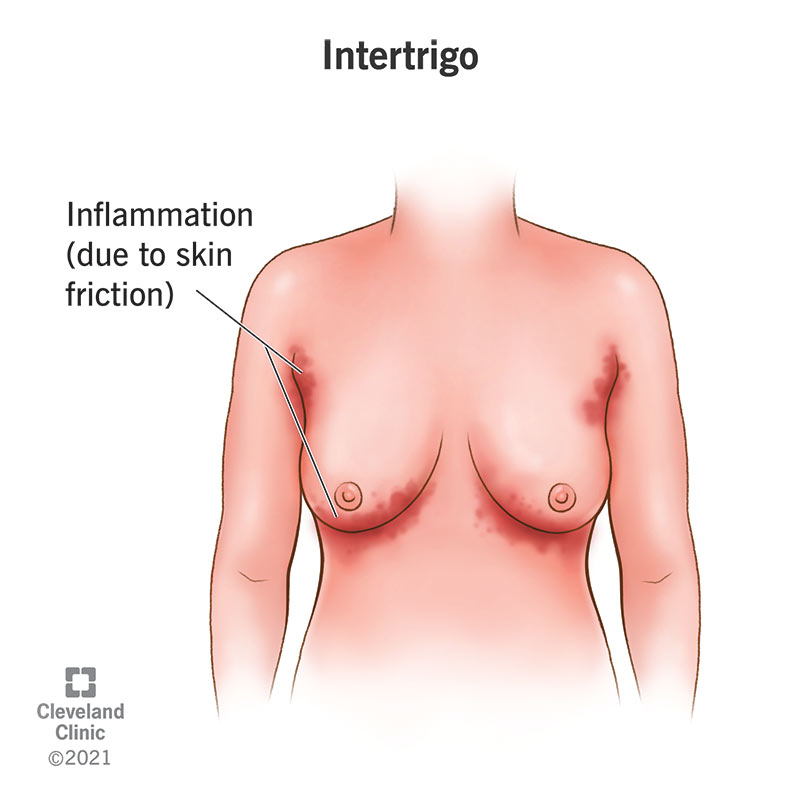
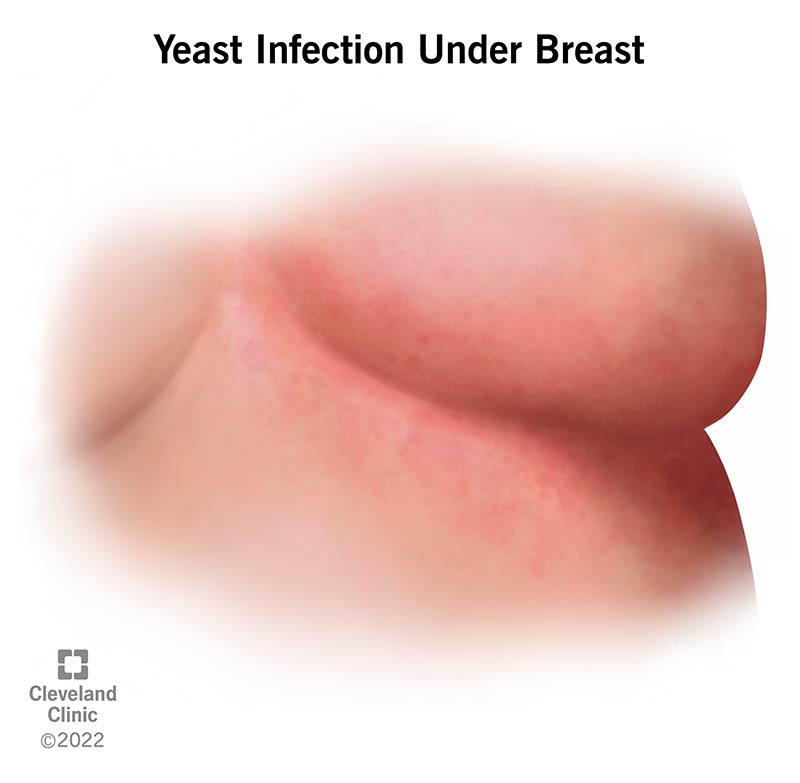
In many cases, the skin beneath the breast becomes red, inflamed, and irritated. Some people notice patches that look raw or shiny because the skin
is constantly exposed
to moisture and friction.
The affected area may also feel itchy or uncomfortable.
Some people experience a burning or prickling sensation,
especially
when sweat
builds up
under the breast.
In more severe cases, the skin may crack, blister, or ooze fluid.
Swelling, tenderness, and soreness can also occur.
Sometimes the rash develops a noticeable
smell
if bacteria or yeast begin to grow in the warm
and
moist environment.
These symptoms can range from mild irritation to a painful condition that affects daily comfort.
The appearance of an underboob rash can vary widely from person to person, but most cases share the common feature of irritated skin within the fold beneath the breasts.
The skin beneath the breast is particularly sensitive to irritation. This part of the body forms a natural fold where skin touches skin. When two surfaces of skin rub
together
repeatedly, friction occurs. Over time, this friction can damage the outer layer of the skin.
Moisture also plays a large role. Sweat can collect under the breasts, especially during warm weather or physical activity. When sweat remains trapped against the skin, it creates a humid environment that encourages irritation and infection.
Limited airflow makes the situation worse. The area beneath the breast does not always receive much ventilation, especially when covered by tight clothing or certain types of bras. Without airflow, moisture remains trapped, and the skin cannot dry properly.
Because of
these conditions, the area becomes an ideal
place
for bacteria or yeast to grow.
These microorganisms thrive in warm, moist environments and can easily lead to an underboob rash.
Intertrigo: One of the Most Common CausesOne of the most frequent reasons for an underboob rash is a condition called
intertrigo
. Intertrigo develops when skin folds rub against each other in a warm and moist environment. The constant friction, combined with sweat, irritates the skin and triggers inflammation.
Intertrigo often begins as a simple rash that
looks
red or
reddish brown
.
The skin may feel raw or tender, and itching is
very
common.
If the irritation continues, the skin may crack or develop sores.
Because the skin barrier becomes damaged, yeast or bacteria may begin to grow in the affected area.
This
can
make
the rash
worse
and
cause
additional symptoms such as swelling, blisters, or discharge.
In some cases, the rash may develop a strong smell due to infection.
Although intertrigo itself is not dangerous, it can become uncomfortable if left untreated. Many cases of underboob rash
are linked
to this condition, especially in environments where heat and moisture are common.
Heat and sweat are among the most common triggers of an underboob rash. During warm weather, the body produces more sweat to
cool itself down
. Unfortunately, sweat can easily collect beneath the breasts.
When sweat remains trapped against the skin, irritation develops quickly. The moisture softens the skin
and makes
it easier for friction to damage the surface. Over time, the area may become red, itchy, and inflamed.
Heat rash can also develop in this area.
Heat rash
forms
when sweat ducts become blocked,
and
sweat
cannot evaporate
properly.
This
causes small red bumps or blisters to appear on the skin.
People who live in warm climates or experience
heavy
sweating may notice that their underboob rash
becomes worse
during hot weather.
The combination of heat, moisture, and friction creates the perfect conditions for irritation.
Fungal InfectionsFungal infections are another common cause of underboob rash. A type of yeast called
Candida
normally lives on the skin in small amounts. However, when the environment becomes warm and moist, this yeast can grow rapidly.
When Candida multiplies in the fold beneath the breast, it can lead to a yeast infection. The skin may appear bright red and feel very itchy or sore. Tiny red spots or blisters sometimes develop around the main rash.
Because the fungus thrives in moist environments, areas where sweat collects are especially vulnerable.
The skin beneath the breast provides ideal
conditions
for yeast growth, particularly
if
moisture remains trapped for
long
periods.
Fungal infections are a frequent complication of intertrigo. Once the skin becomes irritated, microorganisms can easily invade the area and worsen the rash.
Bacterial InfectionsBacteria can also cause an underboob rash. Certain bacteria naturally live on the skin without causing problems. However, if the skin barrier becomes damaged, these bacteria can enter deeper layers and lead to infection.
A bacterial infection under the breast may cause redness, swelling, and pain. The skin might feel warm to the touch and sometimes produce fluid or discharge. In some cases, a person may also develop a fever or general discomfort.
Breast infections are sometimes associated with breastfeeding, although they can occur in people who are not breastfeeding as well. Bacterial infections require proper treatment to prevent the condition from worsening.
If an underboob rash becomes painful, spreads quickly, or
is accompanied
by fever, medical evaluation is important.
Cleveland Clinic
In many cases, the skin beneath the breast becomes red, inflamed, and irritated. Some people notice patches that look raw or shiny because the skin
is constantly exposed
to moisture and friction.
The affected area may also feel itchy or uncomfortable.
Some people experience a burning or prickling sensation,
especially
when sweat
builds up
under the breast.
In more severe cases, the skin may crack, blister, or ooze fluid.
Swelling, tenderness, and soreness can also occur.
Sometimes the rash develops a noticeable
smell
if bacteria or yeast begin to grow in the warm
and
moist environment.
These symptoms can range from mild irritation to a painful condition that affects daily comfort.
The appearance of an underboob rash can vary widely from person to person, but most cases share the common feature of irritated skin within the fold beneath the breasts.
The skin beneath the breast is particularly sensitive to irritation. This part of the body forms a natural fold where skin touches skin. When two surfaces of skin rub
together
repeatedly, friction occurs. Over time, this friction can damage the outer layer of the skin.
Moisture also plays a large role. Sweat can collect under the breasts, especially during warm weather or physical activity. When sweat remains trapped against the skin, it creates a humid environment that encourages irritation and infection.
Limited airflow makes the situation worse. The area beneath the breast does not always receive much ventilation, especially when covered by tight clothing or certain types of bras. Without airflow, moisture remains trapped, and the skin cannot dry properly.
Because of
these conditions, the area becomes an ideal
place
for bacteria or yeast to grow.
These microorganisms thrive in warm, moist environments and can easily lead to an underboob rash.
Intertrigo: One of the Most Common CausesOne of the most frequent reasons for an underboob rash is a condition called
intertrigo
. Intertrigo develops when skin folds rub against each other in a warm and moist environment. The constant friction, combined with sweat, irritates the skin and triggers inflammation.
Intertrigo often begins as a simple rash that
looks
red or
reddish brown
.
The skin may feel raw or tender, and itching is
very
common.
If the irritation continues, the skin may crack or develop sores.
Because the skin barrier becomes damaged, yeast or bacteria may begin to grow in the affected area.
This
can
make
the rash
worse
and
cause
additional symptoms such as swelling, blisters, or discharge.
In some cases, the rash may develop a strong smell due to infection.
Although intertrigo itself is not dangerous, it can become uncomfortable if left untreated. Many cases of underboob rash
are linked
to this condition, especially in environments where heat and moisture are common.
Heat and sweat are among the most common triggers of an underboob rash. During warm weather, the body produces more sweat to
cool itself down
. Unfortunately, sweat can easily collect beneath the breasts.
When sweat remains trapped against the skin, irritation develops quickly. The moisture softens the skin
and makes
it easier for friction to damage the surface. Over time, the area may become red, itchy, and inflamed.
Heat rash can also develop in this area.
Heat rash
forms
when sweat ducts become blocked,
and
sweat
cannot evaporate
properly.
This
causes small red bumps or blisters to appear on the skin.
People who live in warm climates or experience
heavy
sweating may notice that their underboob rash
becomes worse
during hot weather.
The combination of heat, moisture, and friction creates the perfect conditions for irritation.
Fungal InfectionsFungal infections are another common cause of underboob rash. A type of yeast called
Candida
normally lives on the skin in small amounts. However, when the environment becomes warm and moist, this yeast can grow rapidly.
When Candida multiplies in the fold beneath the breast, it can lead to a yeast infection. The skin may appear bright red and feel very itchy or sore. Tiny red spots or blisters sometimes develop around the main rash.
Because the fungus thrives in moist environments, areas where sweat collects are especially vulnerable.
The skin beneath the breast provides ideal
conditions
for yeast growth, particularly
if
moisture remains trapped for
long
periods.
Fungal infections are a frequent complication of intertrigo. Once the skin becomes irritated, microorganisms can easily invade the area and worsen the rash.
Bacterial InfectionsBacteria can also cause an underboob rash. Certain bacteria naturally live on the skin without causing problems. However, if the skin barrier becomes damaged, these bacteria can enter deeper layers and lead to infection.
A bacterial infection under the breast may cause redness, swelling, and pain. The skin might feel warm to the touch and sometimes produce fluid or discharge. In some cases, a person may also develop a fever or general discomfort.
Breast infections are sometimes associated with breastfeeding, although they can occur in people who are not breastfeeding as well. Bacterial infections require proper treatment to prevent the condition from worsening.
If an underboob rash becomes painful, spreads quickly, or
is accompanied
by fever, medical evaluation is important.
 Cleveland Clinic
Allergic ReactionsAn allergic reaction can also lead to an underboob rash. The skin may react to certain substances that come into contact with it. These substances can include soaps, detergents, lotions, fragrances, or fabrics.
When the immune system reacts to an allergen, the skin may develop hives or raised red patches. These areas often itch intensely and may appear suddenly after exposure to the trigger.
Clothing materials sometimes play a role. Certain synthetic fabrics can trap moisture or irritate sensitive skin. Laundry products may also cause reactions if residue remains on clothing.
Identifying the trigger is the most effective way to manage this type of rash. Once the irritant
is removed
, the symptoms often improve.
Chronic Skin ConditionsSome ongoing skin conditions can appear beneath the breasts and cause symptoms that resemble an underboob rash. These conditions include eczema and psoriasis.
Eczema is a chronic inflammatory skin condition that causes dryness, itching, and irritated patches of skin. The rash may crack, blister, or leak fluid in more severe cases. Areas where skin rubs together can easily become irritated when eczema is present.
Psoriasis is another condition that may affect skin folds. Inverse psoriasis occurs specifically in areas where skin touches skin, such as beneath the breasts. Sweat and friction can trigger flare-ups in these locations.
Both eczema and psoriasis require proper management to reduce inflammation and prevent flare-ups. Because these conditions are chronic, symptoms may
come and go
over time.
Although most cases of underboob rash are harmless, certain rare conditions can produce similar symptoms. One example is inflammatory breast cancer. This aggressive form of breast cancer can cause redness, swelling, and changes in the skin of the breast.
The skin may appear thickened or resemble the texture of an orange peel. Other symptoms can include tenderness, burning sensations, and changes in the nipple.
These symptoms are uncommon but should not
be ignored
. If a rash
is accompanied
by unusual breast changes or persistent swelling, medical attention is important.
Recognizing unusual symptoms helps ensure that serious conditions
are identified
early.
Many cases of underboob rash improve with simple care at home. Keeping the area clean and dry often helps the skin heal naturally. However, some situations require medical advice.
Cleveland Clinic
Allergic ReactionsAn allergic reaction can also lead to an underboob rash. The skin may react to certain substances that come into contact with it. These substances can include soaps, detergents, lotions, fragrances, or fabrics.
When the immune system reacts to an allergen, the skin may develop hives or raised red patches. These areas often itch intensely and may appear suddenly after exposure to the trigger.
Clothing materials sometimes play a role. Certain synthetic fabrics can trap moisture or irritate sensitive skin. Laundry products may also cause reactions if residue remains on clothing.
Identifying the trigger is the most effective way to manage this type of rash. Once the irritant
is removed
, the symptoms often improve.
Chronic Skin ConditionsSome ongoing skin conditions can appear beneath the breasts and cause symptoms that resemble an underboob rash. These conditions include eczema and psoriasis.
Eczema is a chronic inflammatory skin condition that causes dryness, itching, and irritated patches of skin. The rash may crack, blister, or leak fluid in more severe cases. Areas where skin rubs together can easily become irritated when eczema is present.
Psoriasis is another condition that may affect skin folds. Inverse psoriasis occurs specifically in areas where skin touches skin, such as beneath the breasts. Sweat and friction can trigger flare-ups in these locations.
Both eczema and psoriasis require proper management to reduce inflammation and prevent flare-ups. Because these conditions are chronic, symptoms may
come and go
over time.
Although most cases of underboob rash are harmless, certain rare conditions can produce similar symptoms. One example is inflammatory breast cancer. This aggressive form of breast cancer can cause redness, swelling, and changes in the skin of the breast.
The skin may appear thickened or resemble the texture of an orange peel. Other symptoms can include tenderness, burning sensations, and changes in the nipple.
These symptoms are uncommon but should not
be ignored
. If a rash
is accompanied
by unusual breast changes or persistent swelling, medical attention is important.
Recognizing unusual symptoms helps ensure that serious conditions
are identified
early.
Many cases of underboob rash improve with simple care at home. Keeping the area clean and dry often helps the skin heal naturally. However, some situations require medical advice.
 Photo by
Anna Tarazevich
on
Unsplash
A healthcare professional should evaluate the rash if it does not improve after a few days of basic car
e.
Persistent itching, severe pain, or spreading redness may indicate infection or another underlying condition.
Medical attention is also important if the rash occurs with fever, nausea, or other unusual symptoms.
These signs
could
indicate a more serious problem that requires
treatment
.
If the rash repeatedly returns or interferes with daily life, a doctor can help determine the underlying cause and recommend appropriate treatment.
Treatment for an underboob rash depends on the cause. In many cases, the first goal is to reduce moisture and friction in the affected area.
Doctors may recommend barrier creams that protect the skin from irritation. Anti-fungal creams or powders may
be used
when yeast infections are present. These treatments help control the growth of fungus
and allow
the skin to heal.
If bacteria are responsible for the infection, antibiotics may
be prescribed
. Steroid creams may also
be recommended
to reduce inflammation and itching.
Keeping the area dry is essential during treatment.
This
helps prevent microorganisms from multiplying and allows damaged skin to recover.
Preventing an underboob rash often involves reducing the factors that
cause irritation
in the first place. Good hygiene and proper skin care play an important role.
Washing the area gently and drying it thoroughly helps remove sweat and bacteria. Wearing breathable fabrics such as cotton can improve airflow and reduce moisture buildup.
A well-fitting, supportive bra can also help prevent friction between skin surfaces. Tight or synthetic materials may trap heat and increase the risk of irritation.
Maintaining a healthy weight may also reduce
the amount of
skin friction in certain cases. Small changes in daily habits can significantly lower the chances of developing another underboob rash.
An underboob rash is a common skin issue that usually develops when moisture, heat, and friction combine beneath the breasts. Conditions such as intertrigo, fungal infections, allergic reactions, and chronic skin disorders can all lead to irritation in this sensitive area.
Although the rash can be uncomfortable, many cases improve with simple care and proper hygiene. Understanding the underlying causes makes it easier to prevent future episodes and recognize when treatment may be necessary.
If symptoms persist or worsen, seeking medical advice ensures that the condition is properly diagnosed and treated. Recognizing the early signs of an underboob rash can help maintain healthy skin and prevent complications.
Photo by
Anna Tarazevich
on
Unsplash
A healthcare professional should evaluate the rash if it does not improve after a few days of basic car
e.
Persistent itching, severe pain, or spreading redness may indicate infection or another underlying condition.
Medical attention is also important if the rash occurs with fever, nausea, or other unusual symptoms.
These signs
could
indicate a more serious problem that requires
treatment
.
If the rash repeatedly returns or interferes with daily life, a doctor can help determine the underlying cause and recommend appropriate treatment.
Treatment for an underboob rash depends on the cause. In many cases, the first goal is to reduce moisture and friction in the affected area.
Doctors may recommend barrier creams that protect the skin from irritation. Anti-fungal creams or powders may
be used
when yeast infections are present. These treatments help control the growth of fungus
and allow
the skin to heal.
If bacteria are responsible for the infection, antibiotics may
be prescribed
. Steroid creams may also
be recommended
to reduce inflammation and itching.
Keeping the area dry is essential during treatment.
This
helps prevent microorganisms from multiplying and allows damaged skin to recover.
Preventing an underboob rash often involves reducing the factors that
cause irritation
in the first place. Good hygiene and proper skin care play an important role.
Washing the area gently and drying it thoroughly helps remove sweat and bacteria. Wearing breathable fabrics such as cotton can improve airflow and reduce moisture buildup.
A well-fitting, supportive bra can also help prevent friction between skin surfaces. Tight or synthetic materials may trap heat and increase the risk of irritation.
Maintaining a healthy weight may also reduce
the amount of
skin friction in certain cases. Small changes in daily habits can significantly lower the chances of developing another underboob rash.
An underboob rash is a common skin issue that usually develops when moisture, heat, and friction combine beneath the breasts. Conditions such as intertrigo, fungal infections, allergic reactions, and chronic skin disorders can all lead to irritation in this sensitive area.
Although the rash can be uncomfortable, many cases improve with simple care and proper hygiene. Understanding the underlying causes makes it easier to prevent future episodes and recognize when treatment may be necessary.
If symptoms persist or worsen, seeking medical advice ensures that the condition is properly diagnosed and treated. Recognizing the early signs of an underboob rash can help maintain healthy skin and prevent complications.