The Simple Onion Water Ritual: A Natural Way to Refresh Your Scalp and Improve Hair Feel Over Time
Health 29/03/2026 21:24
Remember: Having one of these symptoms does not mean you have cancer. Most often, they're caused by benign conditions. But they're important signals that something in your body has changed and needs evaluation.
What to notice: Losing 10 pounds or more without trying—no change in diet, exercise, or stress levels.
Why it matters: This can be an early sign of several cancers (pancreatic, stomach, esophageal, or lung). Cancer cells can alter your metabolism, or tumors can interfere with how your body absorbs nutrients.
When to act: If you've lost a significant amount of weight without explanation over 3-6 months, schedule a check-up.
What to notice: A new pain that doesn't go away, doesn't have a clear cause (like an injury), and doesn't respond to usual treatments.
Why it matters: Pain that's constant and localized can signal a tumor pressing on nerves, bones, or organs. For example:
Persistent headaches (certain brain tumors)
Back pain (pancreatic, colorectal, or ovarian cancers)
Chest pain (lung cancer)
When to act: If pain lasts more than 2-3 weeks without improvement, seek medical evaluation.
What to notice: Any persistent change in your body's normal rhythms:
Diarrhea or constipation lasting more than a few days
Changes in stool size (pencil-thin stools)
Blood in urine or stool
Urgent need to urinate or pain during urination
Why it matters: These can be signs of colorectal, bladder, or prostate cancers. The key word is persistent—lasting beyond a typical stomach bug or infection.
When to act: Document changes for 2-3 weeks. If they continue, don't assume it's "just IBS" or a UTI—get it checked.
What to notice: Bleeding that occurs when and where it shouldn't:
Coughing up blood (lung cancer)
Blood in stool (colon cancer) or urine (bladder/kidney cancer)
Vaginal bleeding between periods or after menopause (uterine/cervical cancer)
Nipple discharge, especially if bloody (breast cancer)
Why it matters: Tumors can cause bleeding by eroding through blood vessels or tissues.
When to act: Any unexplained bleeding warrants immediate medical attention.
What to notice:
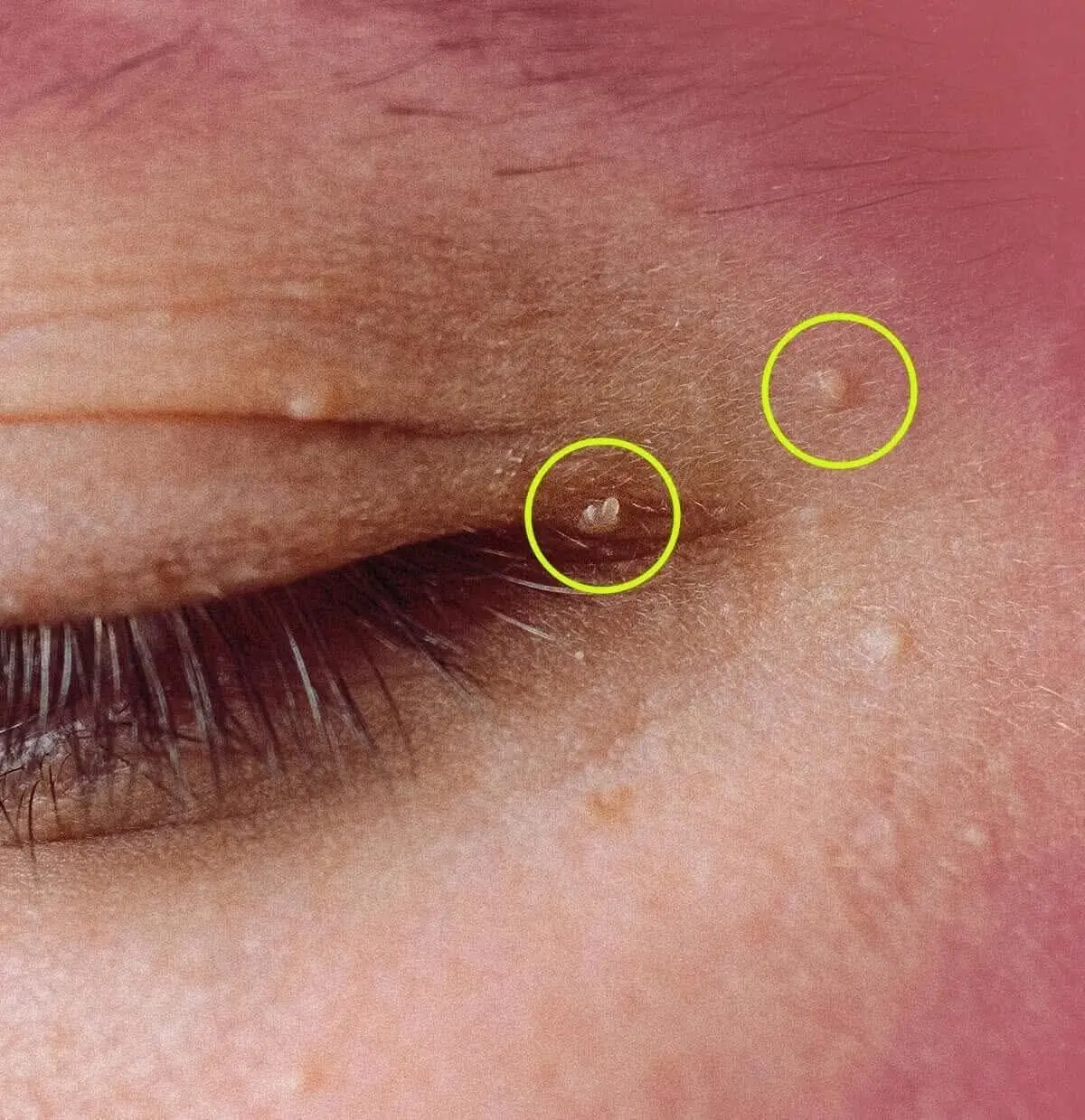
A mouth sore that doesn't heal (oral cancer)
A skin spot that bleeds, crusts, or changes (skin cancer)
A mole that follows the ABCDE rule:
Asymmetry
Border irregularity
Color changes
Diameter larger than a pencil eraser
Evolving in size, shape, or color
Why it matters: Your body is usually excellent at repairing itself. When it stops healing an area, it's signaling that something is interfering with the process.
When to act: If a sore hasn't healed in 3-4 weeks, or if you notice any changing skin lesion, see a doctor or dermatologist.
Don't panic. Stress won't help. Most of these symptoms have benign causes.
Observe and document. Keep notes on when symptoms started, their frequency, and any patterns.
Schedule a doctor's visit. Be direct: "I've had [symptom] for [time period], and I'm concerned."
Be your own advocate. If symptoms persist without explanation, seek a second opinion.
While regular screenings (mammograms, colonoscopies, skin checks) are crucial, you are the expert on your own body. You'll notice subtle changes long before any test would detect them.
Trust that instinct. That quiet whisper might be your body's most important message.
Disclaimer: This information is for educational purposes only and is not a substitute for professional medical advice. Always consult with a qualified healthcare provider for any health concerns.