Advancing Clinical Excellence in IgA Nephropathy
Health 05/01/2026 10:27
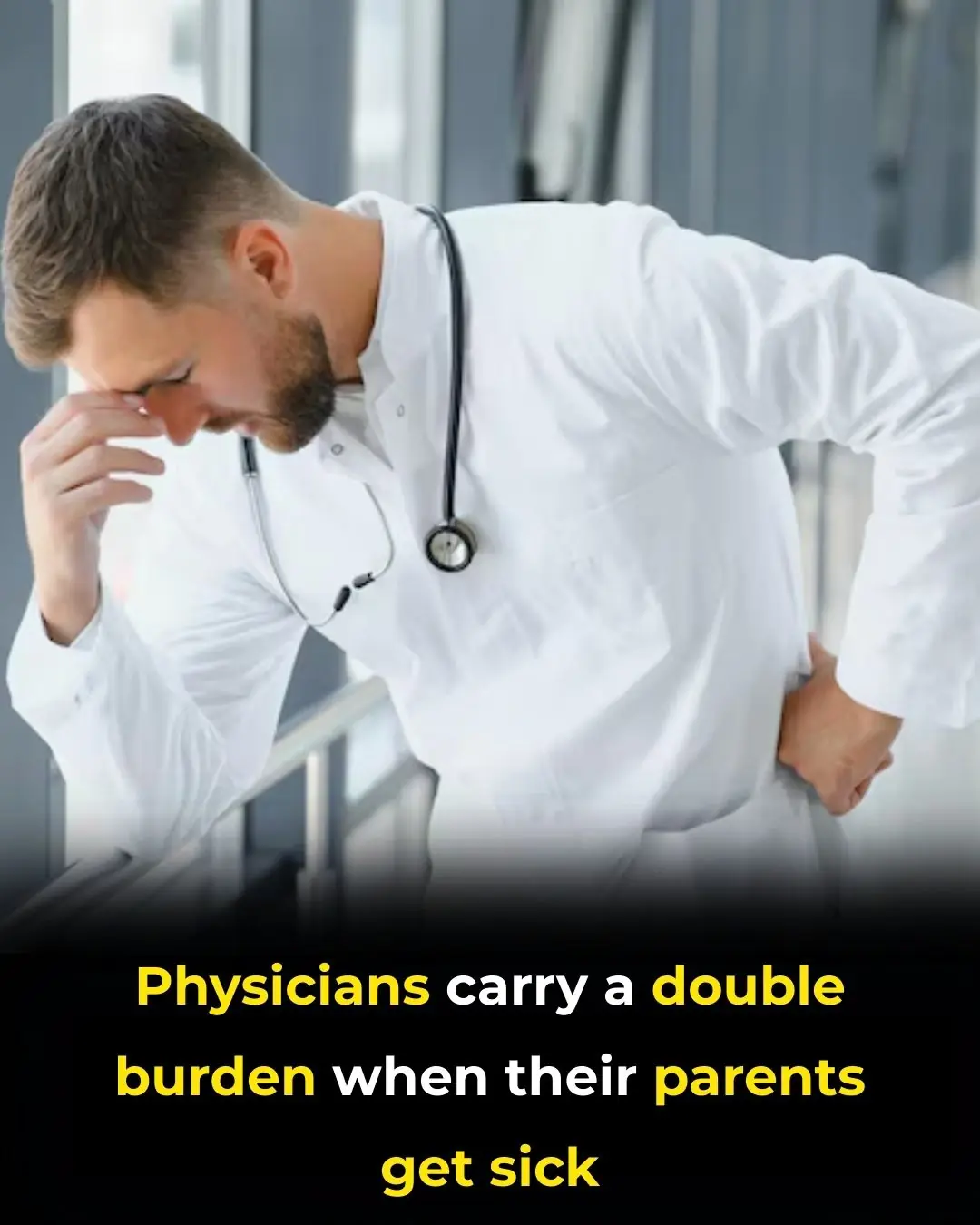
When aging parents develop serious or chronic health conditions, caregiving responsibilities often fall on family members. For physicians, this role carries a unique and often unspoken weight. Despite their medical expertise, doctors caring for their own parents face a double burden — balancing professional responsibilities with deeply personal emotional strain.
Physicians are trained to diagnose, treat, and guide patients through illness with clinical objectivity. However, when the patient is a parent, the boundaries between professional knowledge and personal emotion blur.
Many physicians find themselves:
Interpreting medical records and test results outside clinical hours
Coordinating care across multiple specialists
Translating complex medical information for other family members
Making high-stakes decisions while emotionally invested
This dual role can be exhausting, placing doctors in a position where they are expected to be both expert clinician and devoted child.
Medical knowledge, while invaluable, can intensify emotional distress. Physicians often understand prognosis, complications, and end-of-life realities more clearly than other family members.
This awareness can lead to:
Anticipatory grief
Heightened anxiety about disease progression
A sense of helplessness when treatments fail
Guilt over perceived shortcomings in care decisions
Knowing what might happen does not make it easier to watch it unfold — and sometimes makes it harder.
Physician-caregivers frequently experience moral distress. They may struggle with questions such as:
Should I intervene more, or step back and let other clinicians lead?
Am I advocating strongly enough — or too aggressively?
Would I make the same decision for a patient as I am making for my parent?
This role conflict can erode emotional resilience and contribute to burnout, particularly when combined with demanding clinical workloads.
Doctors are often reluctant to express vulnerability, especially within professional environments that value endurance and composure. As a result, many physician-caregivers suffer in silence.
Common challenges include:
Chronic stress and sleep deprivation
Emotional isolation from colleagues
Difficulty setting boundaries between work and caregiving
Increased risk of burnout and depression
Ironically, those trained to care for others may neglect their own well-being.
Experts increasingly emphasize the need to recognize physician family caregiving as a legitimate stressor requiring institutional support. Possible solutions include:
Flexible scheduling and protected leave
Access to counseling and peer-support programs
Clear guidance on ethical boundaries when caring for family members
Cultural shifts that normalize vulnerability among physicians
Supporting physician-caregivers is not only compassionate — it is essential for sustaining a healthy medical workforce.
Despite the burden, many physicians describe caregiving for a parent as profoundly meaningful. It can deepen empathy, reshape perspectives on patient care, and remind doctors of the human side of medicine beyond diagnoses and protocols.
Yet meaning does not negate the need for support.
When physicians care for aging, ill parents, they carry a double burden — one rooted in professional responsibility and the other in personal love. Recognizing this unique challenge is a critical step toward fostering empathy, resilience, and sustainable careers in medicine. Doctors, too, need care — especially when their own families are hurting.