Sanitary Pad Safety: What Women Need to Know to Prevent Infections
Improper pad use may raise infection risk—here’s what to avoid.
Personal hygiene is a crucial part of women’s health, yet it is often underestimated in daily routines. Recently, stories have circulated about severe infections linked to improper sanitary pad use, raising concern among many women. While such cases may be rare or exaggerated online, they highlight an important truth: how hygiene products are used can significantly impact health.
Sanitary pads are designed to provide comfort and protection during menstruation. However, incorrect usage—such as wearing them for too long or using low-quality products—can create an environment where bacteria thrive. Warmth and moisture, combined with prolonged use, may increase the risk of irritation or infection.
Common Mistakes That Can Lead to Problems
One of the most common mistakes is not changing pads frequently enough. Experts generally recommend changing a pad every 4 to 6 hours, depending on flow. Leaving it on for too long can allow bacteria to multiply, potentially leading to unpleasant odors, skin irritation, or infections.
Another issue is choosing products without proper quality assurance. Cheap or unregulated products may contain materials that irritate sensitive skin. Additionally, failing to maintain proper personal hygiene—such as not washing hands before and after changing pads—can further increase risks.
Tight clothing and lack of ventilation can also worsen the situation. When airflow is restricted, moisture builds up more easily, creating conditions that are favorable for bacterial growth.
Recognizing Warning Signs Early
Understanding your body’s signals is essential. Symptoms such as unusual discomfort, itching, redness, or abnormal discharge should not be ignored. While these signs do not always indicate a serious condition, they may suggest irritation or infection that needs attention.
If symptoms persist or worsen, seeking medical advice is the safest course of action. Early consultation can prevent minor issues from developing into more serious health problems.
Building Safer Hygiene Habits
Good hygiene practices are simple but powerful. Changing pads regularly, choosing trusted brands, and maintaining cleanliness can significantly reduce risks. Wearing breathable clothing and allowing airflow can also help keep the area dry and comfortable.
Most importantly, women should not rely solely on alarming stories or viral claims. Instead, focusing on evidence-based advice and maintaining consistent hygiene habits is the best way to protect health.
A Balanced Perspective
While headlines may sound frightening, it is important to approach such information with caution. Severe cases are uncommon, and sanitary products are generally safe when used correctly. The key message is awareness, not fear.
By understanding proper usage and listening to your body, you can maintain both comfort and health during your daily routine.

News in the same category
These 8 Persistent Symptoms Could Be Your Body's Early Warning Signals

Family Hospitalized After Eating Vegetables: Doctors Explain How Improper Preparation Can Increase Food Pois.oning Risk

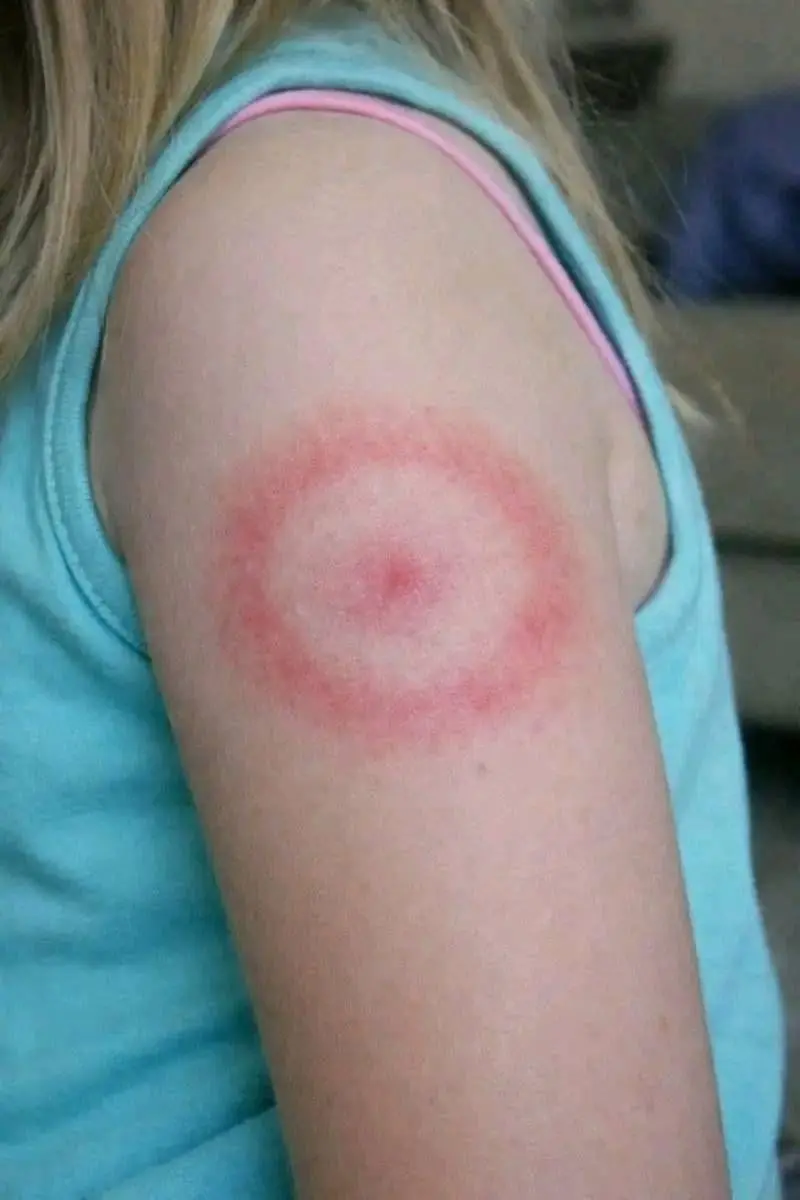
My Daughter Woke Up With a Strange Red Ring on Her Arm: A Parent’s Guide to Ring-Shaped Rashes (And When to Breathe Easy)

Tomatoes The Everyday Superfood

Scientists May Have Actually Found One Of The Causes Of Autism

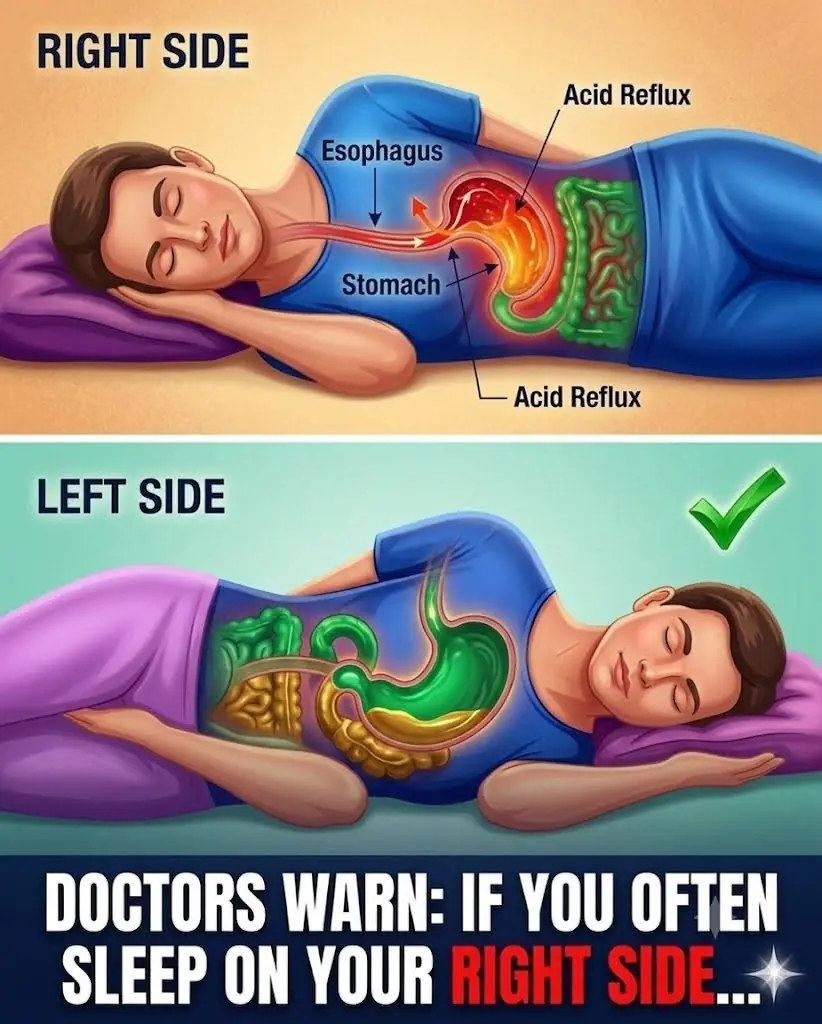
Doctors Warn: Your Sleeping Position May Affect Acid Reflux Symptoms

Why Can a Woman's Private Area Have an Unpleasant Odor

12 Early Warning Signs of an Aneurysm You Shouldn’t Ignore

Doctors Reveal That Eating Eggs in the Morning Causes... A Welcome Change in Health Advice

Sleep Matters More Than You Think - One Mistake May Affect Your Heart and Brain

Your Body May Be Sending These 8 Important Signals - Know the Possible Signs of Ovarian Can.cer

Young Man Dies After Ignoring Two Nighttime Symptoms: A Reminder About Early Cancer Warning Signs

The Prince the King Fed to the Lion

Warning Signs of Diabetes That May Show Up at Night

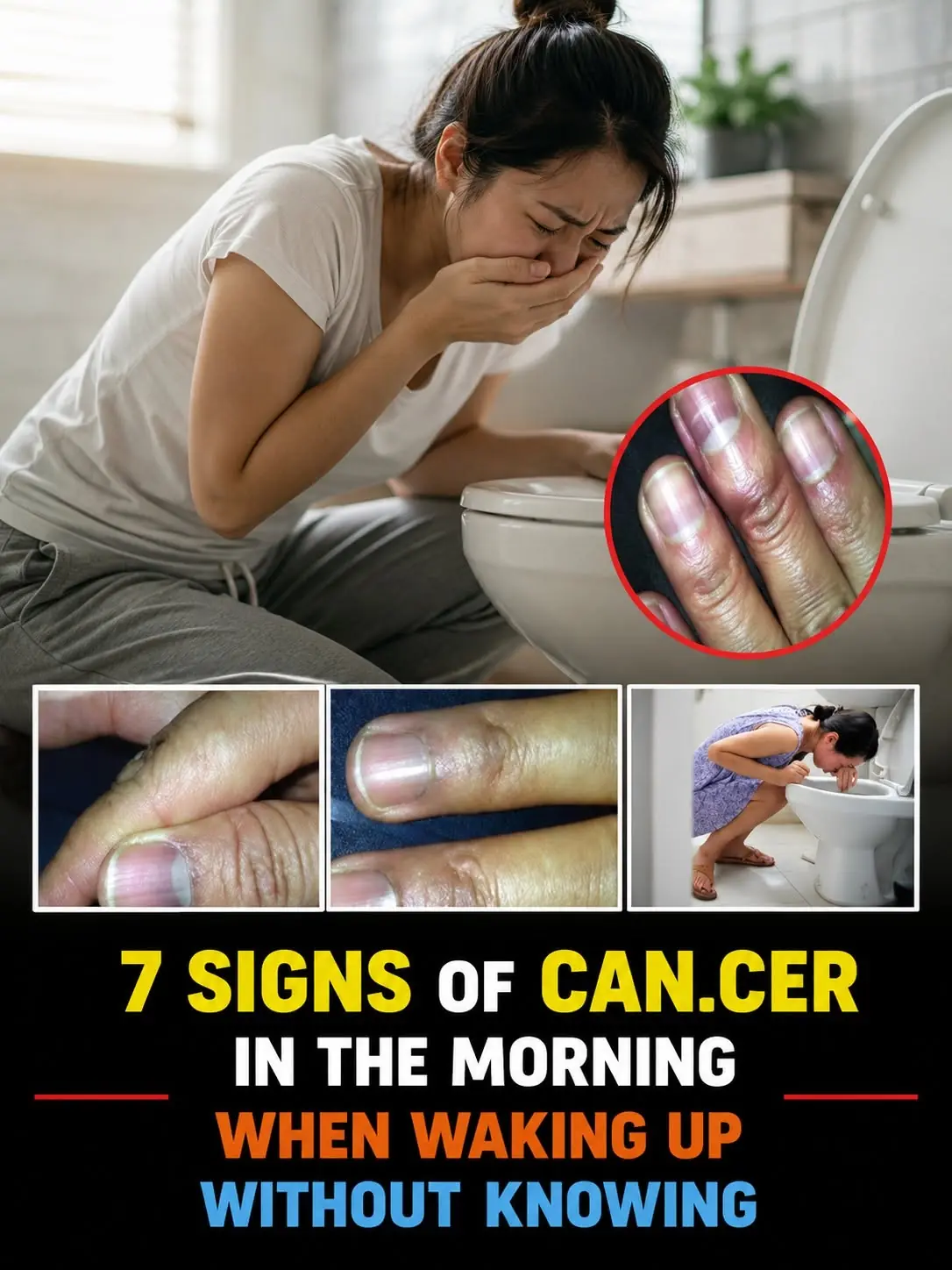
7 Signs of Cancer That May Appear in the Morning Without You Realizing

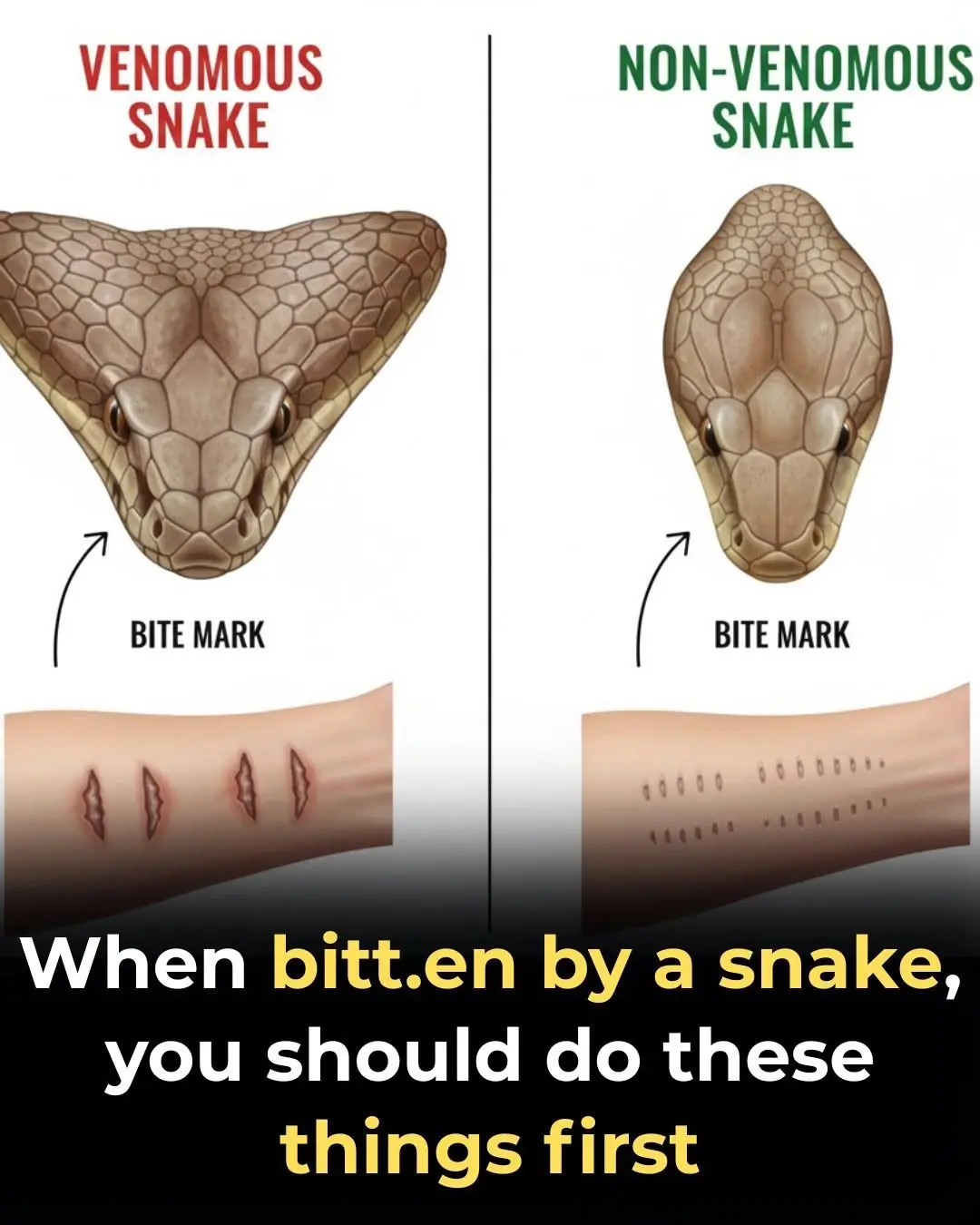
Snake Bite First Aid: What You Should Do Immediately After a Snake Bite

Kidney Disease Doesn't Affect Everyone Equally - Here Are 7 Higher-Risk Groups

Why Do They Happen?
News Post
20 Subtle Cancer Symptoms Commonly Missed
These 8 Persistent Symptoms Could Be Your Body's Early Warning Signals

The CEO who had not smiled in six years hired a new assistant, and she was the first woman brave enough to tell him he was wasting his life.

Family Hospitalized After Eating Vegetables: Doctors Explain How Improper Preparation Can Increase Food Pois.oning Risk

PART 3 For one long moment, no one in the conference room touched the briefcase.

PART 3 I stared at the hospital bracelet in the lunchbox until the letters of my own name blurred.

PART 2 For three seconds, nobody moved.

The K9 police dog refused to leave in front of Room 207 — what was discovered inside stunned everyone.

Part 3 The woman behind Delaney Quinn was Mrs. Alice Rowan, the retired school secretary everyone in town had believed moved to Arizona three years earlier.

A Doctor Scanned a 70-Year-Old Woman—Then He Saw the Impossible

PART 2 Weston Rhodes stood at the front gate long after Brooke disappeared into the snow.

His Mistress Framed His Wife for Stealing a Dress, Never Guessing the Hem Would Expose Who Owned the Whole Empire

He Left Her Because She “Couldn’t Have Children”… ...

The Millionaire Stopped Walking When a Crying Mother Told Her Little Boy They Had No New Year Left

THE WEDDING I CANCELED WITH ONE TEXT… AND THE RECO...

They Refused the Single Father a Table at His Own Restaurant, and One Waitress Risked Everything Before the Mafia Boss Finally Stood Up

Her Husband and His Twin Pushed Her Off a Yacht—They Never Expected Her to Swim Back

She Crawled Through the Rain With a Broken Leg—The...

He Hurt Me After I Gave Birth… Until My Uncle Closed The Hospital Curtains