Advancing Clinical Excellence in IgA Nephropathy
Health 05/01/2026 10:27
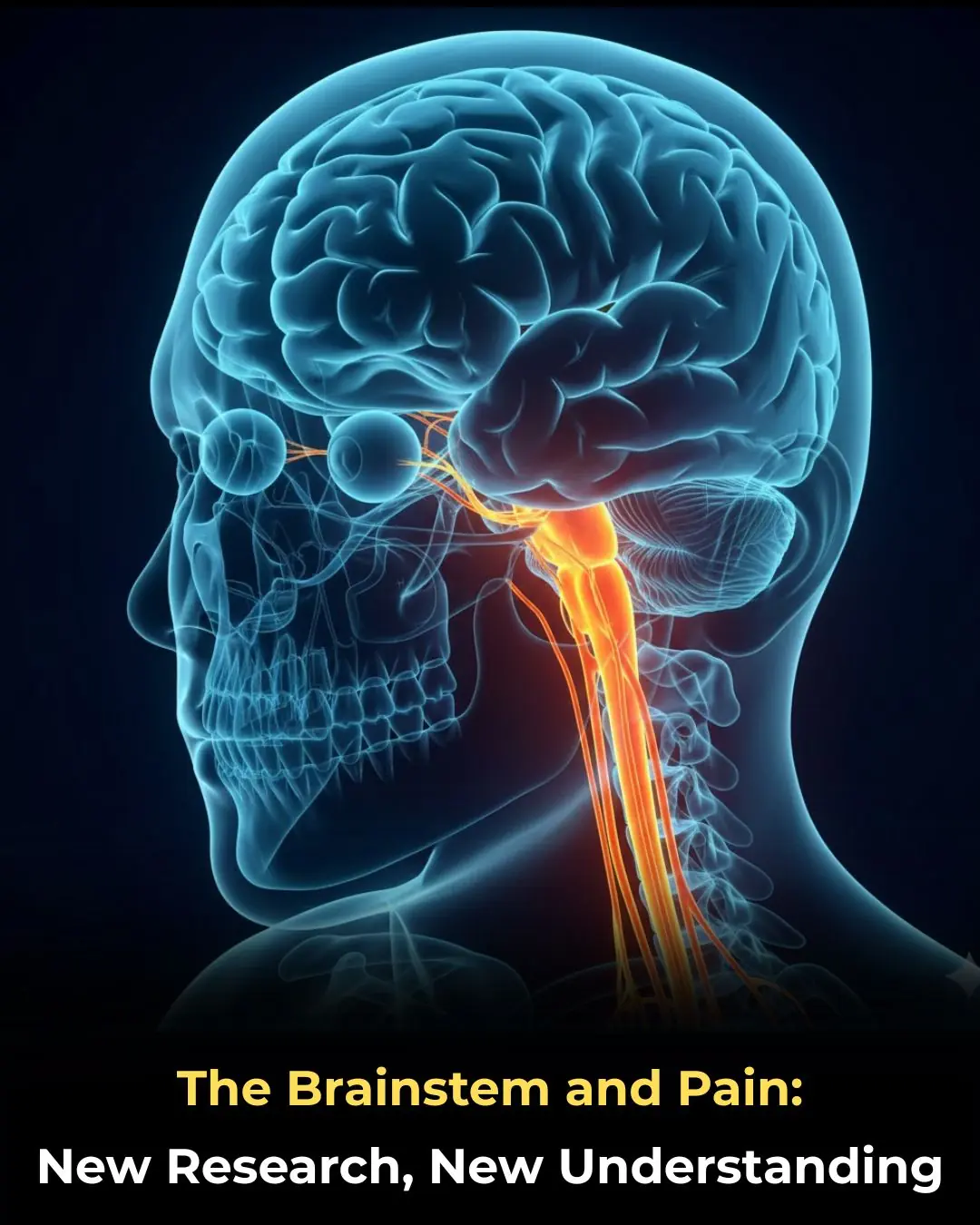
For decades, pain research has focused primarily on the cerebral cortex and spinal cord as the main centers of pain perception. However, emerging scientific evidence is reshaping this view by highlighting the brainstem as a critical regulator of how pain is processed, amplified, or suppressed. These discoveries are transforming our understanding of pain and opening the door to more precise, mechanism-based pain therapies.
The brainstem is located at the base of the brain, forming the vital connection between the brain and the spinal cord. It controls essential life-sustaining functions, including:
Breathing and heart rate
Blood pressure regulation
Sleep–wake cycles and consciousness
Beyond these fundamental roles, research now shows that the brainstem plays a central and active role in pain modulation, rather than simply serving as a passive relay station.
Traditionally, pain signals were thought to travel upward from the body through the spinal cord to higher brain centers. New data demonstrate that the brainstem:
Actively adjusts the intensity of pain signals
Can enhance or suppress pain before it reaches conscious awareness
This means pain perception is shaped early in the neural pathway, not only in the cortex.
Researchers have identified specialized neural circuits within the brainstem that play opposing roles:
Some circuits facilitate pain, increasing sensitivity
Others inhibit pain, providing natural analgesia
Disruption or imbalance within these circuits may contribute to:
Chronic pain syndromes
Widespread pain without clear tissue damage
Heightened pain responses to normally mild stimuli
These findings help explain a long-standing question in medicine:
Why do individuals experience pain so differently, even when the injury is similar?
The answer lies in how each person’s brainstem processes pain signals, influenced by:
Psychological stress
Anxiety and depression
Sleep quality
Previous pain experiences
Pain, therefore, is not just a physical sensation but the outcome of a dynamic neurobiological system.
Instead of relying solely on broad-spectrum painkillers, future treatments may:
Target specific brainstem pathways
Restore balance between pain-facilitating and pain-inhibiting circuits
This approach could lead to more effective and personalized pain management.
A deeper understanding of brainstem pain modulation may:
Decrease reliance on opioid medications
Lower the risk of addiction and adverse effects
Support the development of non-opioid neuromodulation therapies
These discoveries are especially important for conditions such as:
Fibromyalgia
Chronic migraine and headache disorders
Neuropathic pain
Centralized pain syndromes
Targeting brainstem mechanisms may offer new hope for patients who do not respond to conventional treatments.
New research into the brainstem is fundamentally changing how we understand pain. Pain is not merely a direct consequence of tissue injury but the result of complex neural modulation, with the brainstem acting as a key control center. As scientists continue to map these circuits, the future of pain medicine is moving toward precision, personalization, and safer long-term solutions.