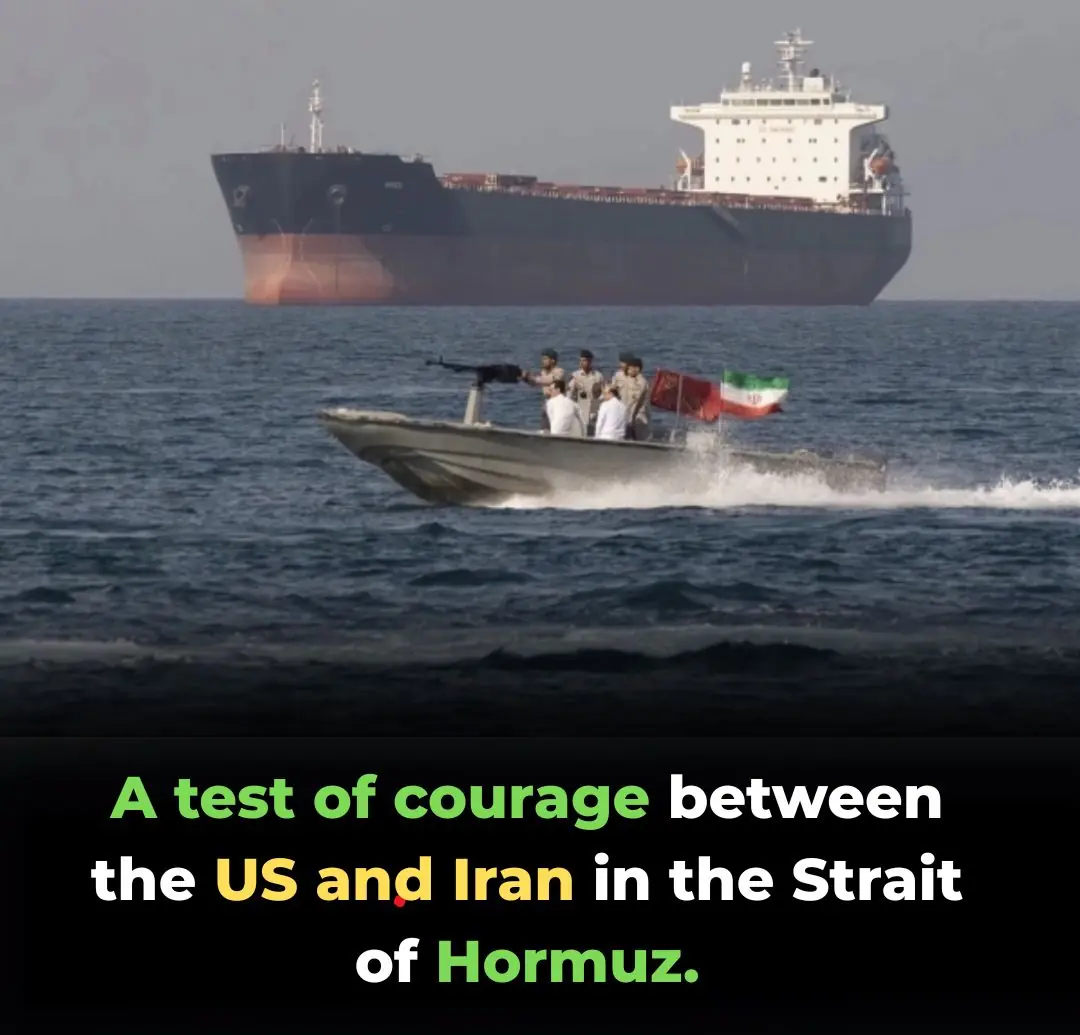
Tensions Flare in the Strait of Hormuz: A High-Stakes Game of Brinkmanship Between the US and Iran
News 15/04/2026 15:37
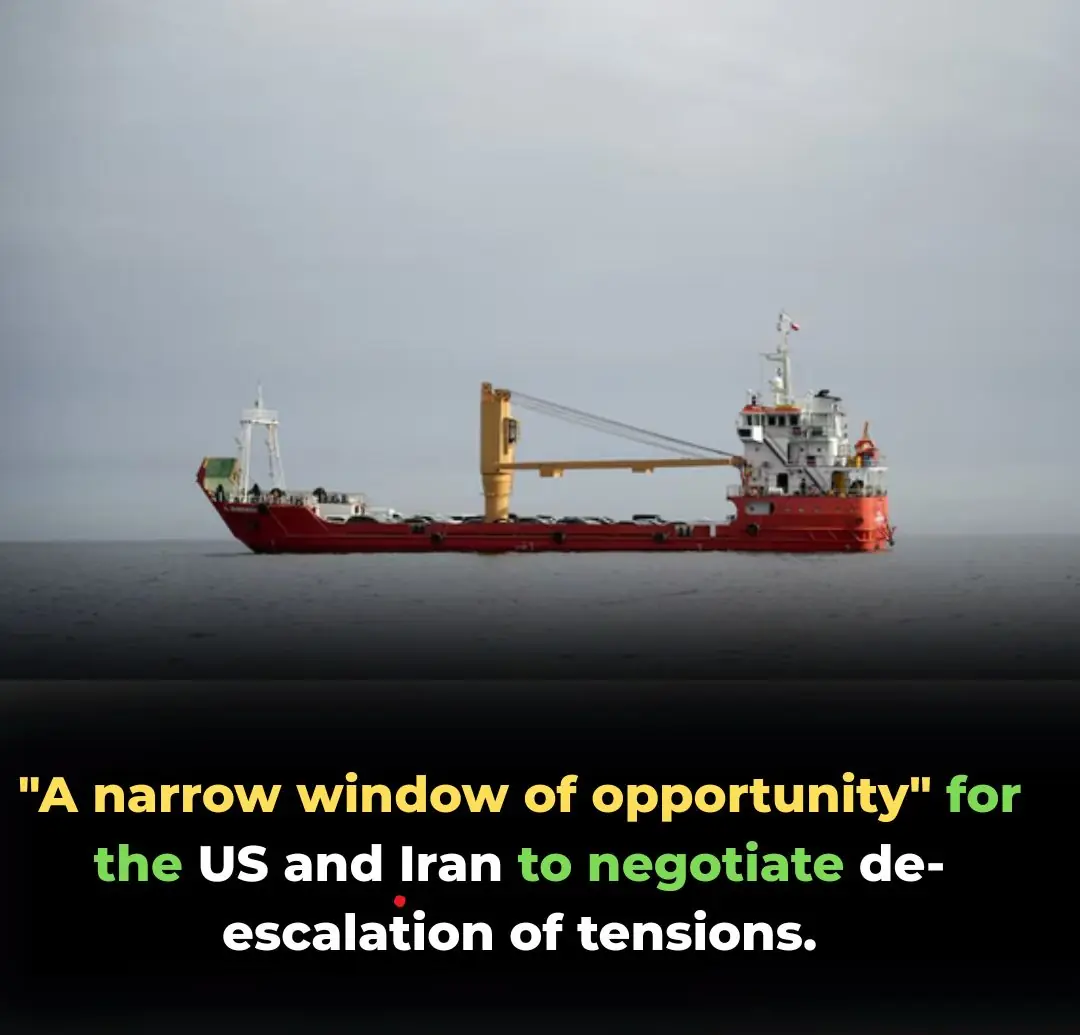
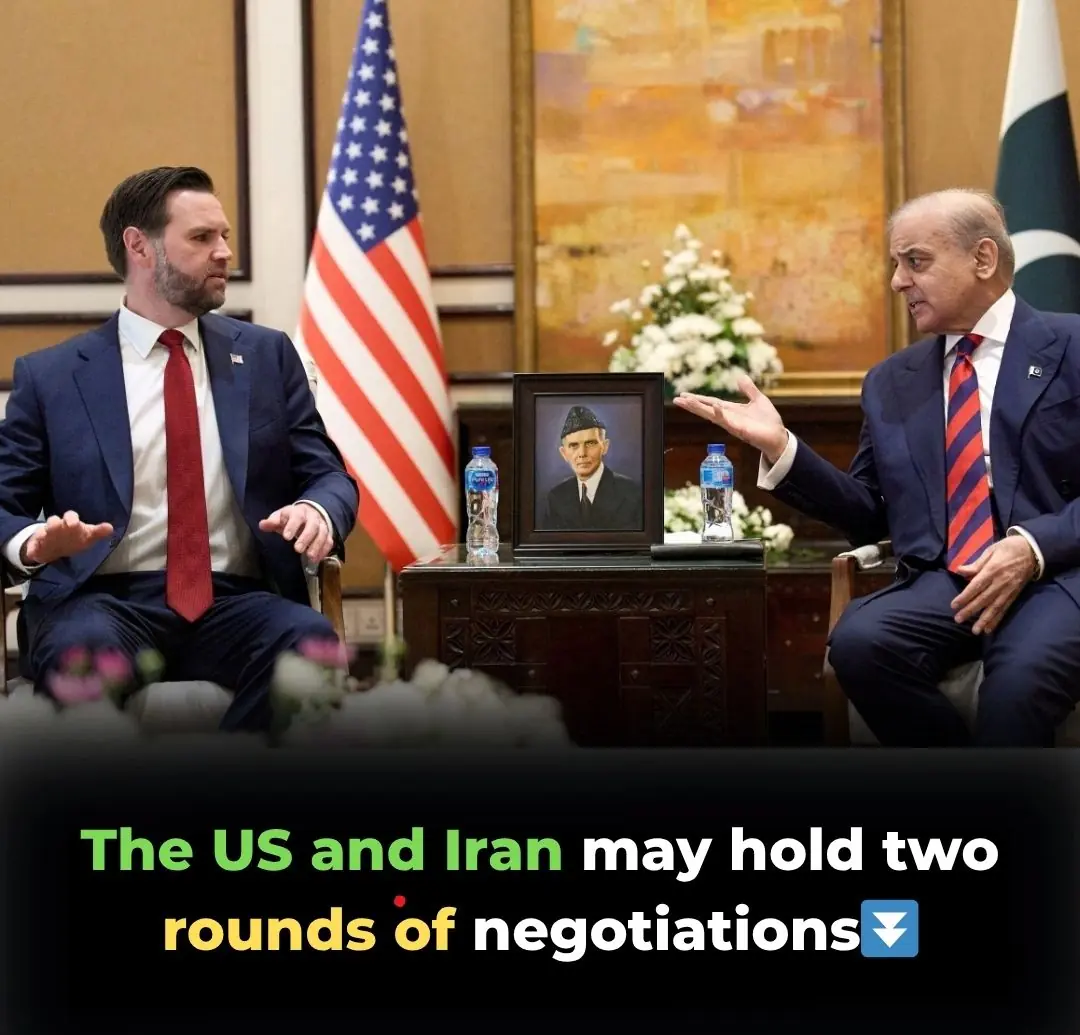
The geopolitical landscape of the Middle East is currently standing at a critical crossroads. As diplomatic channels appear to tighten, the "narrow door" for negotiations between Washington and Tehran is facing unprecedented pressure. With regional stability hanging in the balance, the question remains: is de-escalation still a viable reality, or are we witnessing a permanent shift toward confrontation?
For decades, the relationship between the United States and the Islamic Republic of Iran has been defined by "strategic patience" and periodic friction. However, recent developments in the region—ranging from maritime security concerns to the involvement of proxy groups—have pushed both nations into a corner.
The Nuclear Deadlock: The remnants of the JCPOA (Joint Comprehensive Plan of Action) continue to haunt diplomatic efforts. Without a modern framework, trust remains at an all-time low.
Regional Proxy Conflicts: Internal and external pressures from various regional players often force both capitals to adopt more hawkish stances than they might otherwise prefer.
Domestic Politics: With election cycles and internal shifts in both countries, leaders are wary of appearing "soft" on foreign policy, further narrowing the window for compromise.
True de-escalation requires more than just a ceasefire in rhetoric; it requires a fundamental shift in security architecture.
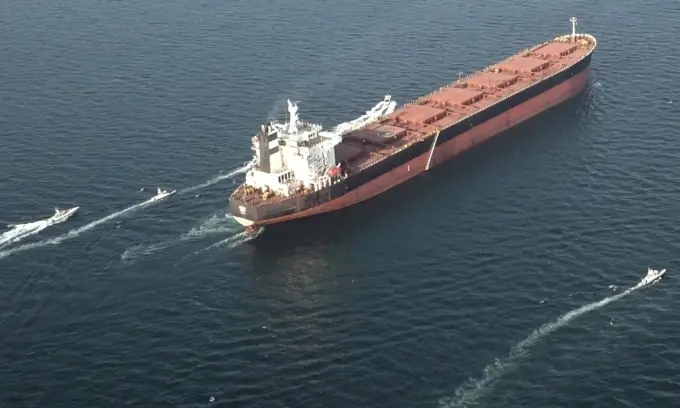
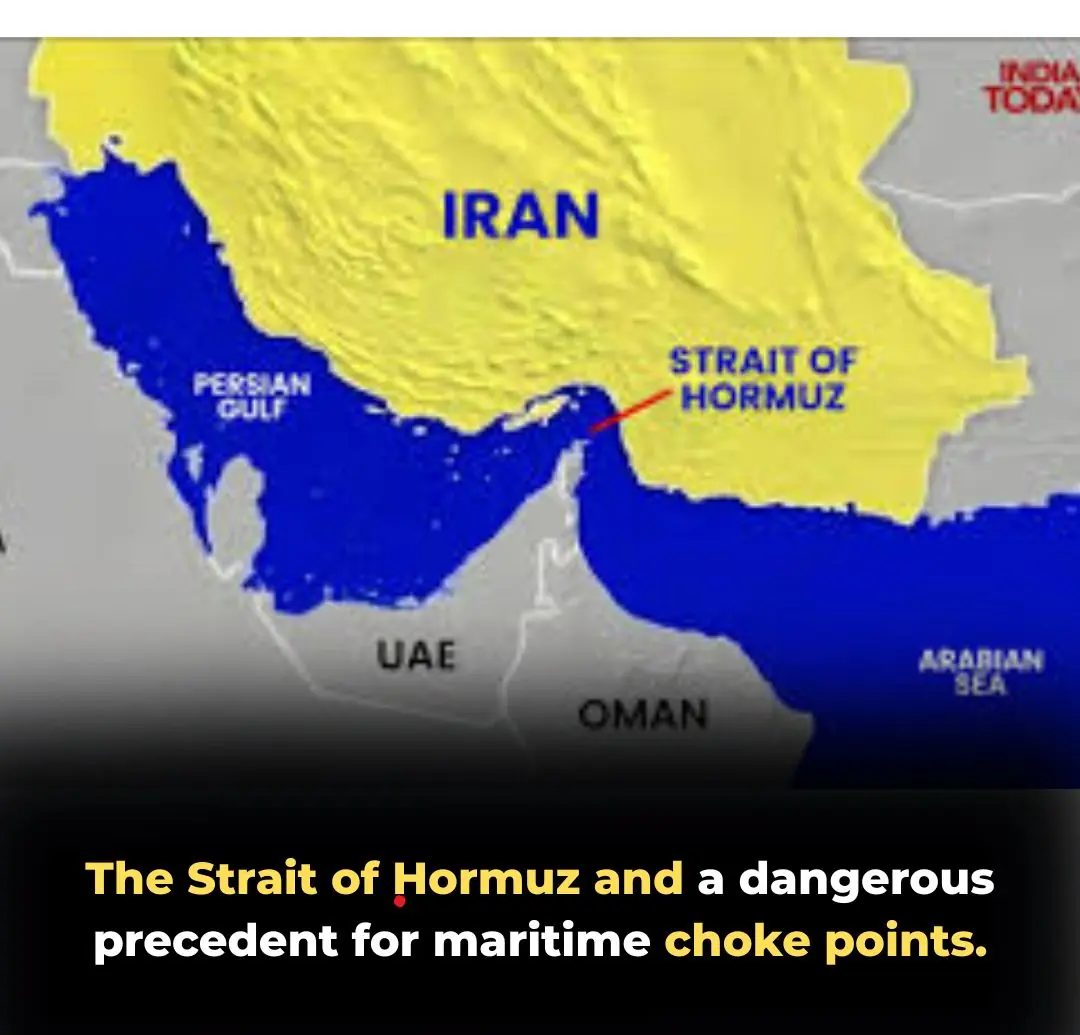
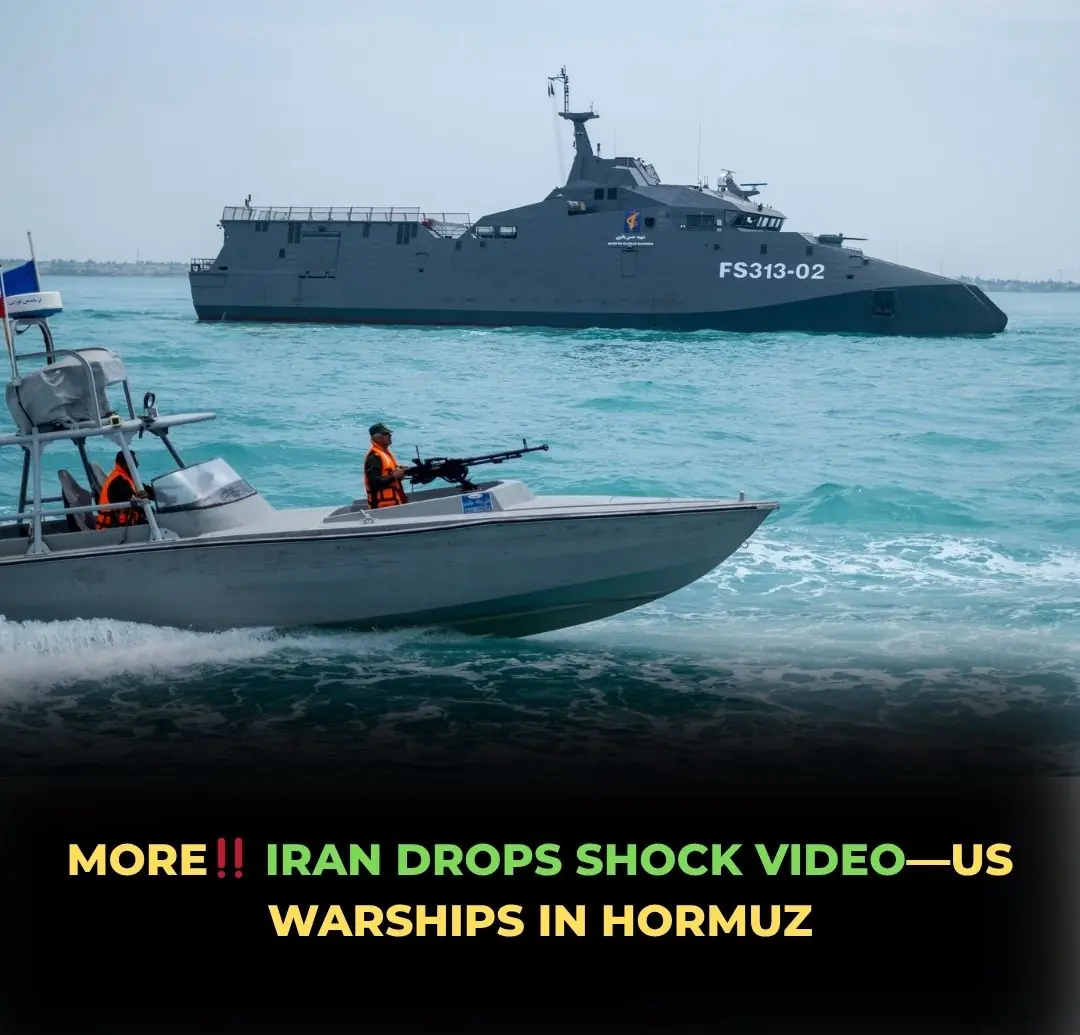
The primary barrier is the lack of a reliable communication channel. When direct talks are off the table, the risk of miscalculation increases. A minor tactical error in the Persian Gulf or a misunderstanding in diplomatic signaling could inadvertently trigger a wider conflict.
Washington continues to utilize economic leverage as its primary tool, while Tehran maintains its regional influence through non-traditional means. This "asymmetric standoff" makes finding common ground nearly impossible, as both sides view their primary tools as non-negotiable.
Despite the tightening constraints, diplomatic experts suggest that "back-channel" communications through neutral intermediaries—such as Oman or Qatar—remain the only safety net.
"The path to peace is not found in grand bargains, but in small, incremental steps of de-escalation that build the necessary floor for future dialogue."
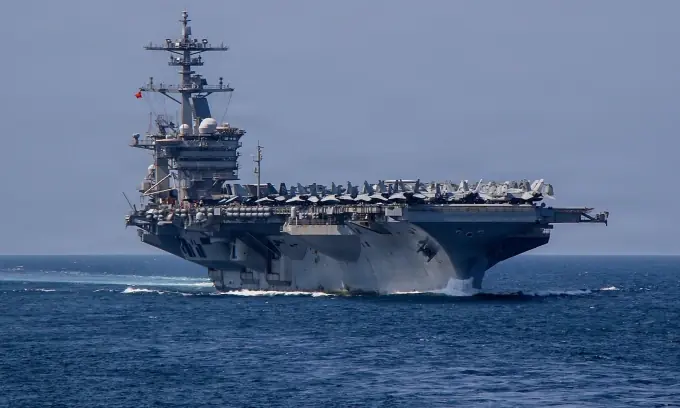
Maritime Security Agreements: Establishing clear protocols to prevent accidental naval skirmishes.
Humanitarian Exchanges: Using prisoner swaps or medical aid as "good faith" gestures.
Regional Summits: Engaging neighboring nations to create a collective security framework that doesn't rely solely on U.S.-Iran bilateralism.
The "narrow door" for U.S.-Iran negotiations is not yet closed, but it is certainly heavy. As the international community watches closely, the responsibility falls on leadership in both Washington and Tehran to decide if they will continue the path of maximum pressure or pivot toward a pragmatic, albeit difficult, stability.