Put a Roll of Toilet Paper in the Refrigerator: A Simple Household Trick With Big Benefits
Tips 09/01/2026 22:20

Bean sprouts are a familiar ingredient in the daily meals of many Vietnamese families. They are not only easy to eat and simple to prepare, but also rich in vitamins, fiber, and beneficial nutrients that support overall health. However, one major drawback of bean sprouts is that they spoil very quickly. If stored incorrectly, they can turn dark, become soft and watery, or develop an unpleasant smell after just one or two days.
In reality, many people end up throwing away an entire bag of bean sprouts simply because they were not stored properly. Meanwhile, with the right methods, bean sprouts can stay fresh, white, and crisp for five to seven days, retaining both their nutritional value and natural flavor. Below are several simple yet highly effective storage tips that many home cooks have successfully used.
Before learning how to store bean sprouts correctly, it is important to understand why they spoil so fast. Bean sprouts are a type of sprouted vegetable with a very high water content, and they continue to respire even after being harvested. When stored in unsuitable conditions, this active respiration accelerates deterioration, causing the sprouts to wilt, darken, and soften.
In addition, bean sprouts are extremely sensitive to temperature and humidity. If they are kept in an overly humid or airtight environment without ventilation, bacteria can easily grow, leading to sliminess and unpleasant odors. On the other hand, if the environment is too dry or the temperature fluctuates frequently, the sprouts may lose moisture, wilt, and lose their natural crunch.
For this reason, proper storage of bean sprouts must balance moderate humidity with a stable, cool temperature.
One very common mistake is washing bean sprouts immediately after buying them and then placing them in the refrigerator. In fact, residual water clinging to the sprouts is one of the main reasons they spoil faster, turn dark, and become slimy.
If you do not plan to use them right away, avoid washing the sprouts. Simply remove any damaged roots or wilted parts, then allow the sprouts to air-dry naturally. Only wash them right before cooking to ensure freshness and food safety.
This is one of the most popular and effective storage methods because it is simple, practical, and highly reliable.
After purchasing the bean sprouts, prepare a plastic or glass container with a tight-fitting lid. Line the bottom of the container with a layer of dry paper towels, place the bean sprouts inside, and then cover them with another layer of paper towels. The paper towels help absorb excess moisture, preventing water from pooling and reducing the risk of spoilage.
Seal the container tightly and place it in the refrigerator’s crisper drawer or a stable area of the fridge where the temperature does not fluctuate often. Using this method, bean sprouts can remain fresh, white, and crunchy for up to five to seven days. Every two to three days, open the container to check the paper towels and replace them if they become damp.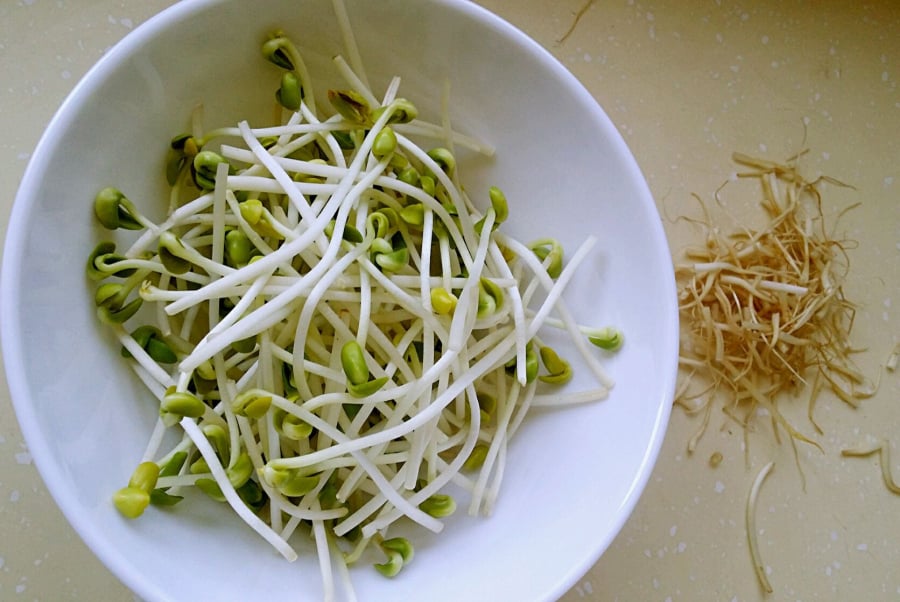
If you do not have a suitable container, a zip-top plastic bag can also be used. However, the bag should not be completely airtight. Use a toothpick or needle to poke several small holes in the bag so the sprouts can “breathe” and excess moisture can escape.
Before placing the sprouts in the bag, make sure they are completely dry and free of surface water. Then store the bag in the refrigerator. This method helps maintain crispness and reduces discoloration and odor. Compared to the paper towel container method, zip bags require more frequent checking to prevent moisture buildup.
A lesser-known but effective trick is using diluted salt water to help preserve bean sprouts for a longer period.
Prepare a bowl of lightly salted water—just slightly salty, not strong. Rinse the bean sprouts quickly in the solution, then drain them thoroughly and allow them to dry completely. The mild salt water helps inhibit bacterial growth and slows down discoloration.
Once fully dry, store the sprouts using either a paper towel-lined container or a ventilated zip bag. Avoid soaking the sprouts for too long, as this can reduce their crunch and alter their texture.
Bean sprouts should ideally be stored at a temperature between 3–5°C (37–41°F). This range slows down respiration without freezing the sprouts or damaging their structure.
Avoid placing bean sprouts in the refrigerator door, where temperature changes frequently due to opening and closing. Instead, store them deeper inside the fridge, where conditions remain more consistent. Also, keep them away from strong-smelling foods such as onions, garlic, or raw fish, as bean sprouts easily absorb odors.
Even when stored correctly, it is important to inspect bean sprouts before use. Signs of spoilage include darkened stems, excessive softness, slimy surfaces, or sour and unusual smells.
If only a small portion has spoiled, discard that part and use the remaining sprouts immediately. However, if the unpleasant odor is widespread, it is best to throw the entire batch away to protect your health.
By applying these simple storage tips, you can reduce food waste, save money on groceries, and ensure your family’s meals remain fresh, delicious, and safe every day.