Doctors reveal that consuming pumpkin causes in...
Health 22/02/2026 19:32
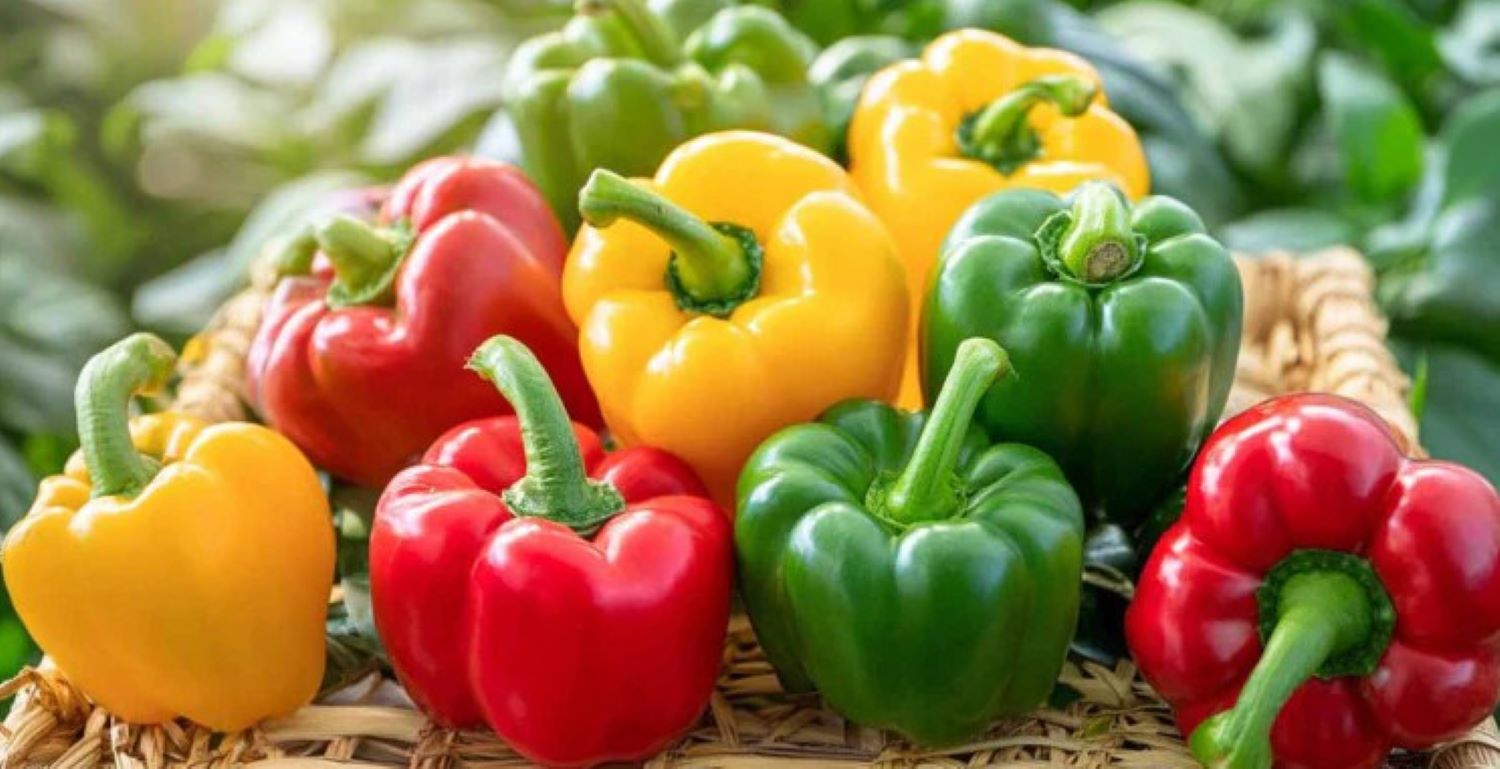
Bell peppers are among the most nutrient-dense vegetables you can eat. They’re colorful, versatile, low in calories, and packed with vitamins and antioxidants. For most people, eating them regularly is a healthy habit.
However, like any food, bell peppers can cause side effects in certain individuals — especially when eaten raw, in large amounts, or if you have specific sensitivities.
Here’s a balanced medical overview.
Eating bell peppers frequently increases your intake of:
Vitamin C
Vitamin A (as beta-carotene)
Folate
Lutein and zeaxanthin
Various antioxidants
A single medium red bell pepper contains more vitamin C than an orange. Red and orange varieties are particularly rich in carotenoids that support immune and eye health.
Vitamin C supports immune defense and collagen production.
Beta-carotene converts to vitamin A for vision and skin health.
Lutein and zeaxanthin help protect against age-related eye damage.
Antioxidants reduce oxidative stress in cells.
Better immune resilience, healthier skin, and stronger antioxidant protection against cellular damage.
Bell peppers are excellent sources of vitamin C, which helps your body absorb non-heme iron (plant-based iron).
Vitamin C converts iron into a form that is easier for the body to absorb.
Especially helpful for vegetarians and vegans
Beneficial for mild iron deficiency
Supports prevention of iron-deficiency anemia
Pairing peppers with lentils, beans, spinach, or tofu enhances iron uptake significantly.
Bell peppers are:
Low in calories
High in water
Moderate in fiber
Fiber promotes bowel regularity, and water content increases fullness without adding many calories.
Improved satiety
Better bowel movements
Support for weight management
They’re ideal for people aiming to increase vegetable intake without significantly increasing calorie intake.
Some individuals experience:
Bloating
Gas
Stomach discomfort
Heartburn
The skin contains cellulose, which can be difficult to digest.
Bell peppers are part of the nightshade family (like tomatoes and potatoes).
They contain small amounts of naturally occurring alkaloids that sensitive individuals may react to.
If you have:
IBS
A sensitive gut
GERD (acid reflux)
raw bell peppers may trigger symptoms.
Cooking softens fiber and reduces irritation.
Peeling the skin may improve tolerance.
Eating smaller portions can reduce symptoms.
True bell pepper allergy is uncommon but possible.
Itching
Swelling
Hives
Oral itching (oral allergy syndrome)
Some people with pollen allergies experience cross-reactivity, causing itching in the mouth or throat when eating raw peppers.
The immune system reacts to specific proteins in the pepper.
If symptoms occur, avoid peppers and consult a healthcare provider.
Bell peppers are generally safe with medications.
✔ They are not high in vitamin K, so they typically do not interfere with blood thinners like leafy greens can.
However, if you:
Take multiple medications
Have autoimmune conditions
Follow a medically restricted diet
consult your healthcare provider before making major dietary changes.
1–2 medium bell peppers per day is safe and beneficial for most people.
Roasting, sautéing, or steaming softens fiber.
Cooking reduces digestive irritation.
Note: Vitamin C is heat-sensitive, so raw peppers provide the highest vitamin C levels.
Removing the skin can reduce indigestible fiber and improve tolerance.
Red & orange: Higher carotenoids and sweeter
Yellow: Mild and balanced
Green: Less sweet, slightly lower carotenoids but still nutritious
Bell peppers may carry pesticide residues on the skin. Wash carefully or choose organic if concerned.
Keep in the refrigerator crisper drawer and use within one week for best texture and nutrient content.
Avoid large portions of raw peppers combined with:
Tomato-based sauces
Spicy foods
Fried foods
These combinations may increase reflux symptoms.
Some people report improvement in arthritis or inflammatory symptoms after removing nightshades (tomatoes, potatoes, eggplant, peppers) during an elimination diet. Consult your doctor before long-term elimination.
Avoid raw peppers and try cooked forms instead.
✔ With iron-rich plant foods → boosts iron absorption
✔ With healthy fats (olive oil, avocado, nuts, cheese) → improves carotenoid absorption
✔ In salads, stir-fries, stuffed peppers, or roasted dishes → versatile and balanced
Vitamin C → Immune support & improved iron absorption
Carotenoids → Antioxidant and eye-health support
Fiber + water → Satiety and bowel regularity
Cellulose & alkaloids → Possible digestive irritation in predisposed individuals
Aroma compounds → May trigger histamine-like reactions in very sensitive people
✔ Eat them regularly — 1–2 peppers daily is healthy for most people
✔ Combine raw and cooked forms for balance
✔ Peel or cook if you experience bloating or heartburn
✔ Avoid if you have confirmed nightshade allergy
✔ Consult your doctor if you have chronic digestive issues or complex medical conditions
For the vast majority of people, bell peppers are a powerful, nutrient-rich addition to a balanced diet. They support immune function, digestion, and overall antioxidant protection.
Side effects are usually mild and occur primarily in sensitive individuals. With proper preparation and awareness of your own tolerance, bell peppers can be both safe and highly beneficial.