
Lady Says She Hasn’t Been Sick in 40 Years
Health 04/06/2026 17:02
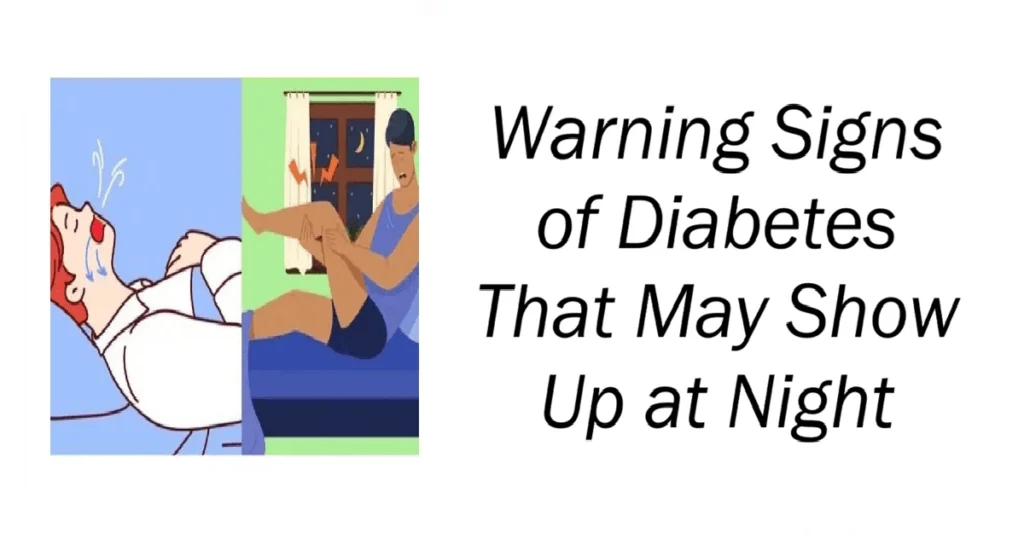
Warning Signs of Diabetes That May Show Up at Night
When people think about diabetes symptoms, they often focus on daytime signs such as excessive thirst, fatigue, or frequent urination. However, many of the earliest warning signs can actually appear while you’re asleep.
These nighttime symptoms are often subtle and easy to dismiss, yet they may provide important clues about your blood sugar levels and overall health.
If you’ve been experiencing unexplained sleep disturbances, your body could be trying to tell you something.
Here are nine nighttime symptoms that may be linked to diabetes.
Do you regularly wake up several times to urinate?
While occasional nighttime bathroom visits are normal, frequent urination—especially when it becomes a regular pattern—may be a sign of elevated blood sugar levels.
When glucose levels are too high, the kidneys work harder to remove excess sugar from the bloodstream. This process draws additional water into the urine, resulting in increased urination, a condition known as polyuria.
For many people, this can be one of the earliest signs of diabetes.
Waking up drenched in sweat isn’t always caused by a warm room or heavy blankets.
In some cases, night sweats may occur when blood sugar levels drop too low during sleep, a condition known as nocturnal hypoglycemia.
When blood sugar falls, the body releases stress hormones such as adrenaline, which can trigger:
If night sweats occur frequently, it’s worth discussing them with a healthcare professional.
Have you ever woken up feeling unusually hungry, anxious, or shaky?
These symptoms may also be related to low blood sugar during the night.
Possible signs include:
These episodes can interrupt sleep and may indicate that your body is struggling to maintain stable blood sugar levels.
An uncontrollable urge to move your legs can make it difficult to fall asleep and stay asleep.
In some individuals, restless legs syndrome may be associated with diabetic neuropathy, a form of nerve damage that can develop when blood sugar remains elevated for long periods.
Symptoms may include:
These symptoms should not be ignored, particularly if they occur regularly.
Sleep apnea is surprisingly common among people with type 2 diabetes.
This condition causes repeated pauses in breathing during sleep and is often accompanied by:
Sleep apnea and diabetes are closely connected, especially in individuals who are overweight or have insulin resistance.
Poor sleep can further disrupt blood sugar regulation, creating a difficult cycle to break.
Do you frequently wake up needing a drink of water?
Excessive thirst, known as polydipsia, is one of the classic symptoms of diabetes.
When blood sugar levels are elevated, the body attempts to remove excess glucose through urine, leading to fluid loss and dehydration.
As a result, you may experience:
Persistent thirst should always be evaluated by a healthcare professional.
If you sleep for seven or eight hours but still wake up exhausted, blood sugar problems could be contributing.
Glucose serves as the body’s primary source of energy. When blood sugar regulation is impaired, cells may struggle to use glucose effectively.
The result can be:
Many people with undiagnosed diabetes report ongoing fatigue long before receiving a diagnosis.
Waking up with a dry, sticky mouth may seem minor, but it can sometimes indicate elevated blood sugar levels.
A condition called xerostomia (dry mouth) is relatively common in people with diabetes.
Beyond causing discomfort, chronic dry mouth can increase the risk of:
If dry mouth occurs frequently, it may be worth investigating further.
Many people with diabetes experience poor sleep quality without realizing the underlying cause.
Blood sugar fluctuations throughout the night can contribute to:
Over time, poor sleep can affect mood, memory, concentration, and overall health.
Because sleep and blood sugar influence each other, addressing one often helps improve the other.
Diabetes is often called a “silent disease” because it can develop gradually, sometimes without obvious warning signs.
However, the body frequently provides clues long before a diagnosis is made.
Nighttime symptoms such as excessive thirst, frequent urination, fatigue, and sleep disturbances may signal that blood sugar levels are not being properly regulated.
Recognizing these signs early can help lead to earlier testing, diagnosis, and treatment.
While these symptoms do not automatically mean you have diabetes, they should not be ignored if they occur frequently.
Maintaining healthy blood sugar levels involves:
✔ Eating a balanced diet
✔ Staying physically active
✔ Maintaining a healthy weight
✔ Getting adequate sleep
✔ Attending regular medical checkups
If you recognize several of these symptoms in yourself, consider speaking with your healthcare provider. A simple blood test can help determine whether diabetes or another health condition may be contributing to your symptoms.
The quality of your sleep can reveal a great deal about your health.
Frequent nighttime urination, excessive thirst, restless sleep, and unexplained fatigue may seem unrelated at first, but together they can point toward underlying blood sugar issues.
Listening to these signals—and acting on them early—can make a significant difference in preventing complications and protecting your long-term health.








Powerful Green Juice
























Count The Real Chicken To Reveal If You Were Either Born Lazy Or A Workaholic