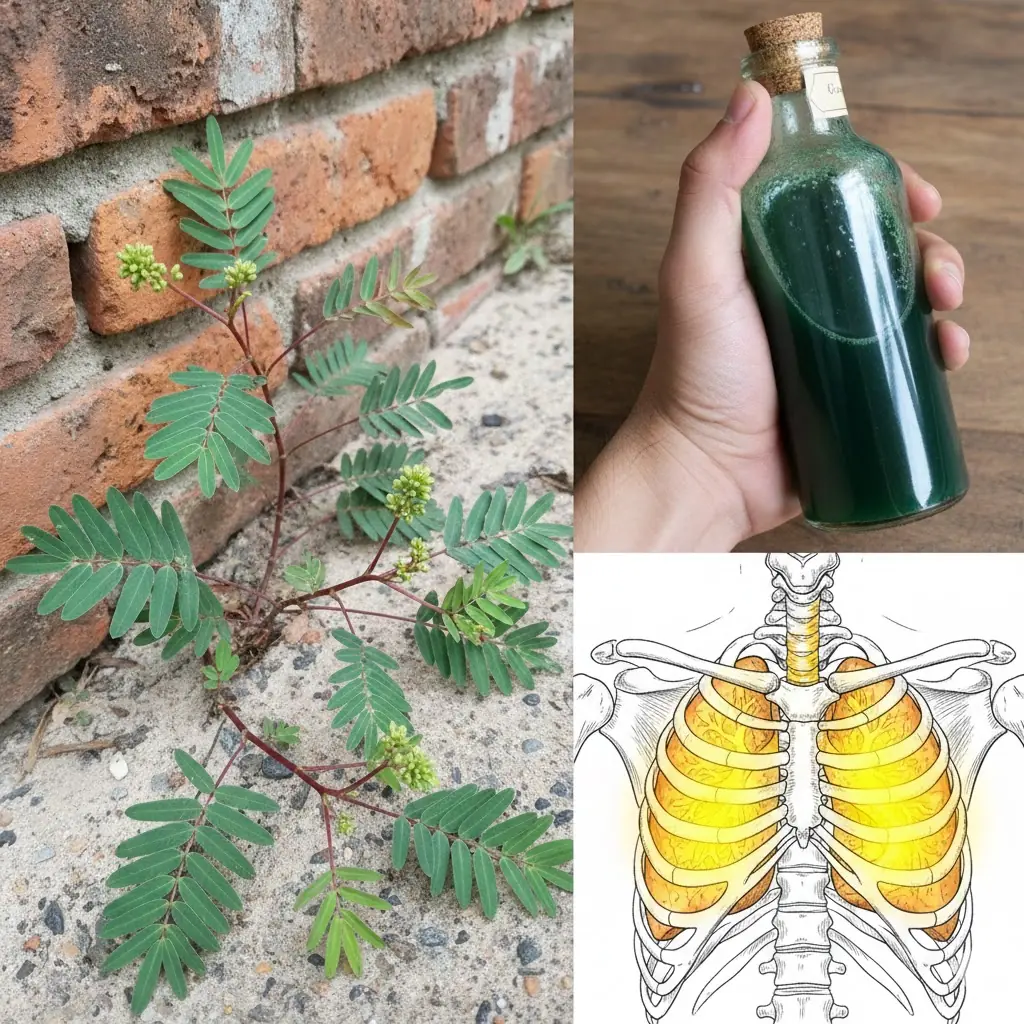
Chanca piedra, often referred to as “stone breaker,” is a tropical plant that has been traditionally used in herbal systems across South America, India, and Southeast Asia. Botanically known as Phyllanthus niruri, this small leafy herb has a long history of being prepared as a simple infusion, most commonly enjoyed as an herbal tea.
For generations, chanca piedra tea has been appreciated in traditional practices for its association with urinary, digestive, and liver wellness. While its use began in folk medicine, modern interest has steadily increased as researchers explore the plant’s naturally occurring bioactive compounds and their potential physiological effects.
What Is Chanca Piedra Tea?
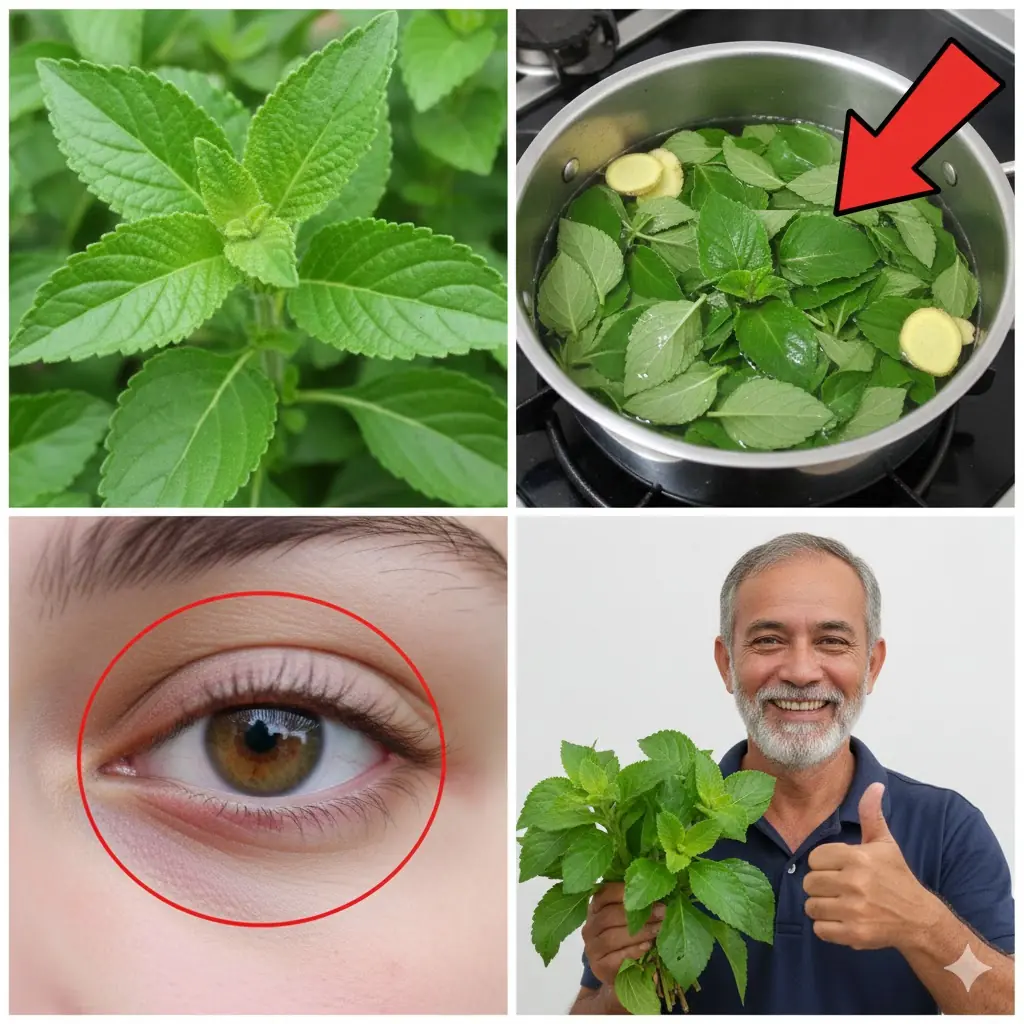
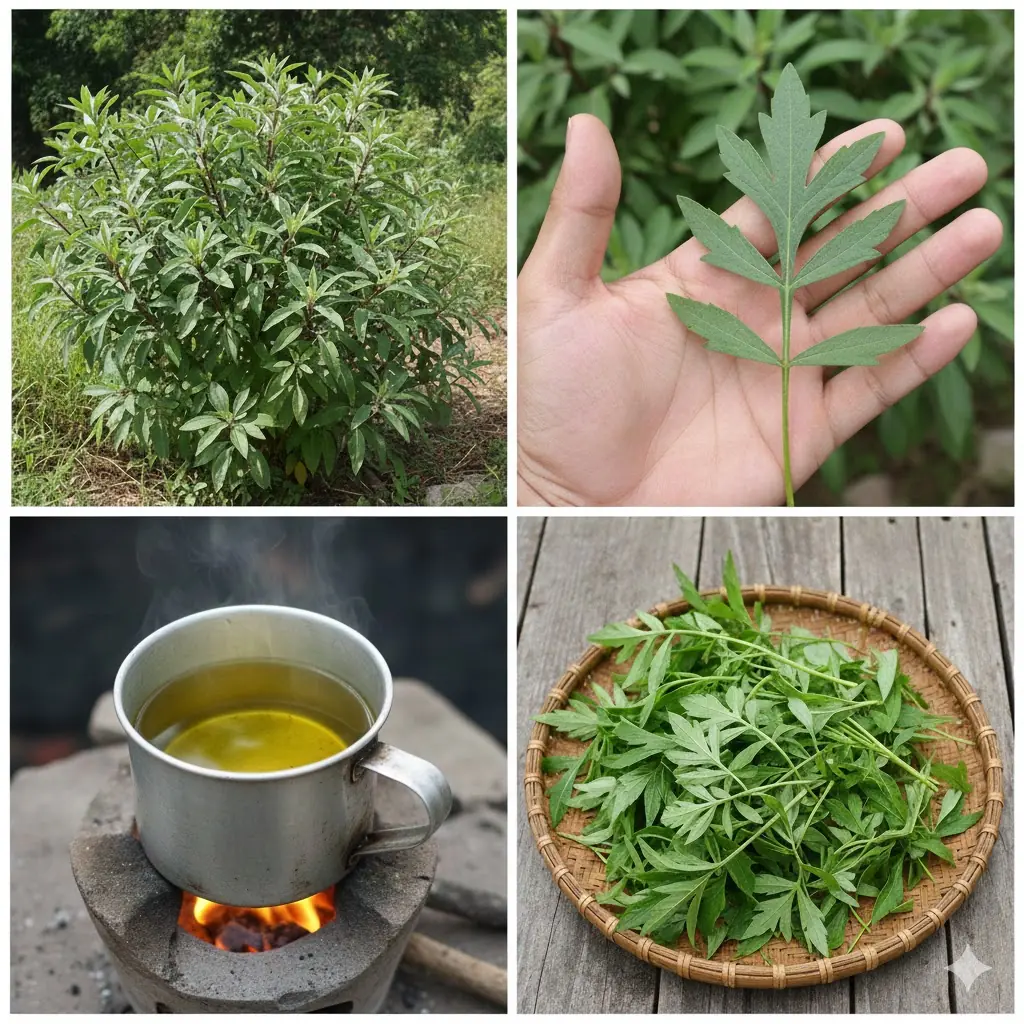
Chanca piedra tea is prepared by steeping the plant’s fresh or dried leaves and stems in hot water. The resulting brew typically has a light golden-green hue and a mildly bitter, earthy flavor that is characteristic of many traditional herbal infusions.
The plant contains several naturally occurring compounds, including:
-
Lignans
-
Flavonoids
-
Alkaloids
-
Tannins
These compounds are currently being studied for their potential antioxidant and anti-inflammatory properties. Antioxidants, in general, are known for their role in helping the body manage oxidative stress, which can affect overall cellular balance.
Traditional Benefits of Chanca Piedra Tea
1. Urinary Tract Support
Chanca piedra is most widely recognized in traditional herbal medicine for its association with kidney and urinary tract health. In many cultural practices, it has been consumed to help support normal urine flow and promote urinary comfort. Its longstanding nickname, “stone breaker,” reflects historical folk usage related to urinary wellness.
2. Digestive Support
Traditionally, chanca piedra tea has been enjoyed after heavy or rich meals to support digestive ease. In various herbal systems, it has been used to help reduce occasional bloating and mild digestive discomfort, particularly when digestion feels sluggish.
3. Liver Support
In traditional herbal practices, chanca piedra tea has also been valued as a liver-supportive beverage. Emerging scientific research is examining how certain plant compounds may help maintain normal liver enzyme levels and support overall liver function when used as part of a balanced lifestyle.
4. Antioxidant Activity
Because chanca piedra contains plant-based antioxidants, it is often associated with supporting general cellular health. Antioxidants help neutralize free radicals in the body, which are naturally produced through metabolism and environmental exposure.
5. Mild Diuretic Effect
Chanca piedra tea has traditionally been described as having a gentle diuretic action. This mild effect is one reason it has been closely linked to urinary health in folk medicine traditions.
Common Uses of Chanca Piedra Tea
Today, chanca piedra tea is commonly used as:
-
A herbal tea within general wellness routines
-
Part of traditional cleansing or detox practices
-
An occasional digestive support beverage
-
A supportive herbal drink during hydration-focused routines
Most people drink it plain to experience its natural flavor. However, some choose to add a small amount of honey or a squeeze of lemon to soften the bitterness and enhance palatability.
Traditional Preparation Method
Chanca piedra tea is simple to prepare at home using dried or fresh plant material.
Basic preparation:
-
Add 1–2 teaspoons of dried chanca piedra (or a small handful of fresh leaves and stems) to water.
-
Bring to a gentle boil or pour hot water over the herbs and allow them to steep for 10–15 minutes.
-
Strain the liquid and let it cool slightly before drinking.
In traditional settings, the tea is typically consumed once or twice daily. Some individuals prefer to drink it between meals to better appreciate its herbal profile.
Taste and Aroma
Chanca piedra tea is known for:
-
A mildly bitter, earthy flavor
-
A light, fresh herbal aroma
-
A clean, non-sweet finish
Bitterness is common among many digestive and liver-associated herbs and has historically been considered a desirable characteristic in traditional herbal systems.
Safety and Considerations
Although chanca piedra tea has a long history of traditional use, it may not be appropriate for everyone.
Important considerations include:
-
It is not recommended during pregnancy or breastfeeding unless advised by a qualified healthcare professional.
-
It may interact with certain medications, particularly those related to blood pressure, blood sugar regulation, or kidney function.
-
Prolonged or high-dose use should be discussed with a medical professional to ensure safety and suitability.
As with any herbal product, individual responses may vary. Starting with small amounts and monitoring how your body responds is a cautious approach often recommended in herbal practice.
Disclaimer:
This article is provided for educational and informational purposes only. It does not constitute medical advice, diagnosis, or treatment. Herbal teas, including chanca piedra tea, should not replace professional medical care. Always consult a qualified healthcare provider before using herbal remedies, especially if you have an existing medical condition or are taking prescription medications.