Many adults in the United States begin noticing subtle circulation changes as they move into midlife. According to the Centers for Disease Control and Prevention (CDC), up to 900,000 Americans are affected each year by venous thromboembolism (VTE), which includes deep vein thrombosis (DVT). While serious clotting conditions require medical care, many people first notice milder signs of reduced circulation long before any diagnosis.
Leg heaviness after long periods of sitting, a sense of warmth in the calves, mild swelling around the ankles, or fatigue during routine activities often develop gradually—especially after age 45. These sensations can quietly affect mobility and daily comfort without drawing immediate attention.
The encouraging news is that certain culinary herbs—many already found in your kitchen—have been traditionally valued for supporting vascular health. Emerging research suggests that some plant compounds may help promote vessel flexibility, antioxidant protection, and balanced blood flow. In this guide, we explore six herbs commonly associated with circulation support, how they may work, and practical ways to use them—always with safety and professional guidance in mind.

Why Circulation Often Changes After 40
After age 40, several natural shifts begin to influence vascular function. Sedentary work routines, reduced physical activity, hormonal changes, and the gradual stiffening of blood vessels can all contribute to feelings of heaviness or achiness in the legs.
Scientific data shows that the risk of VTE increases steadily with age. Even without a medical condition, everyday activities such as climbing stairs, standing for extended periods, or walking longer distances may start to feel more taxing. Mild swelling or nighttime leg cramps can add to the discomfort.
Lifestyle habits remain the foundation of healthy circulation:
-
Regular walking or low-impact exercise
-
Adequate hydration
-
Maintaining a healthy weight
-
Avoiding prolonged sitting
-
Using compression garments when recommended
However, many people also look for gentle, food-based strategies to complement these efforts. Herbs rich in antioxidants, flavonoids, and anti-inflammatory compounds may offer additional support over time.
How Plant Compounds May Support Circulation
Healthy blood vessels depend on flexibility, balanced inflammation levels, and proper platelet activity. Diets rich in plant polyphenols and flavonoids have been associated with improved vascular elasticity and better endothelial function—the lining of the blood vessels responsible for regulating flow.
Certain herbs contain compounds that may:
-
Help reduce oxidative stress
-
Support mild vessel relaxation
-
Encourage healthy circulation in small capillaries
-
Promote balanced inflammatory responses
Small, consistent dietary habits often make more impact than dramatic changes.
For example, a 58-year-old retiree named John struggled with persistent leg heaviness after years of desk work. By gradually incorporating circulation-supportive herbs—such as adding cayenne to meals and drinking herbal teas daily—he noticed lighter-feeling legs and steadier energy within several weeks. While individual experiences vary, consistent habits can play a supportive role.
6 Herbs Traditionally Associated with Circulatory Support
Below are six herbs that have long histories of traditional use and growing research interest.

1. Cayenne Pepper – A Natural Warming Stimulator
Cayenne contains capsaicin, a compound known for its warming properties. Capsaicin may support peripheral circulation by encouraging mild vessel dilation and improving blood flow to extremities. Some research also suggests it may influence platelet activity in subtle ways.
How to use:
-
Add a pinch to eggs, soups, or roasted vegetables
-
Mix a small amount into warm lemon water
-
Blend into sauces or marinades
Tip: Start with small amounts and consume with food to reduce stomach sensitivity.
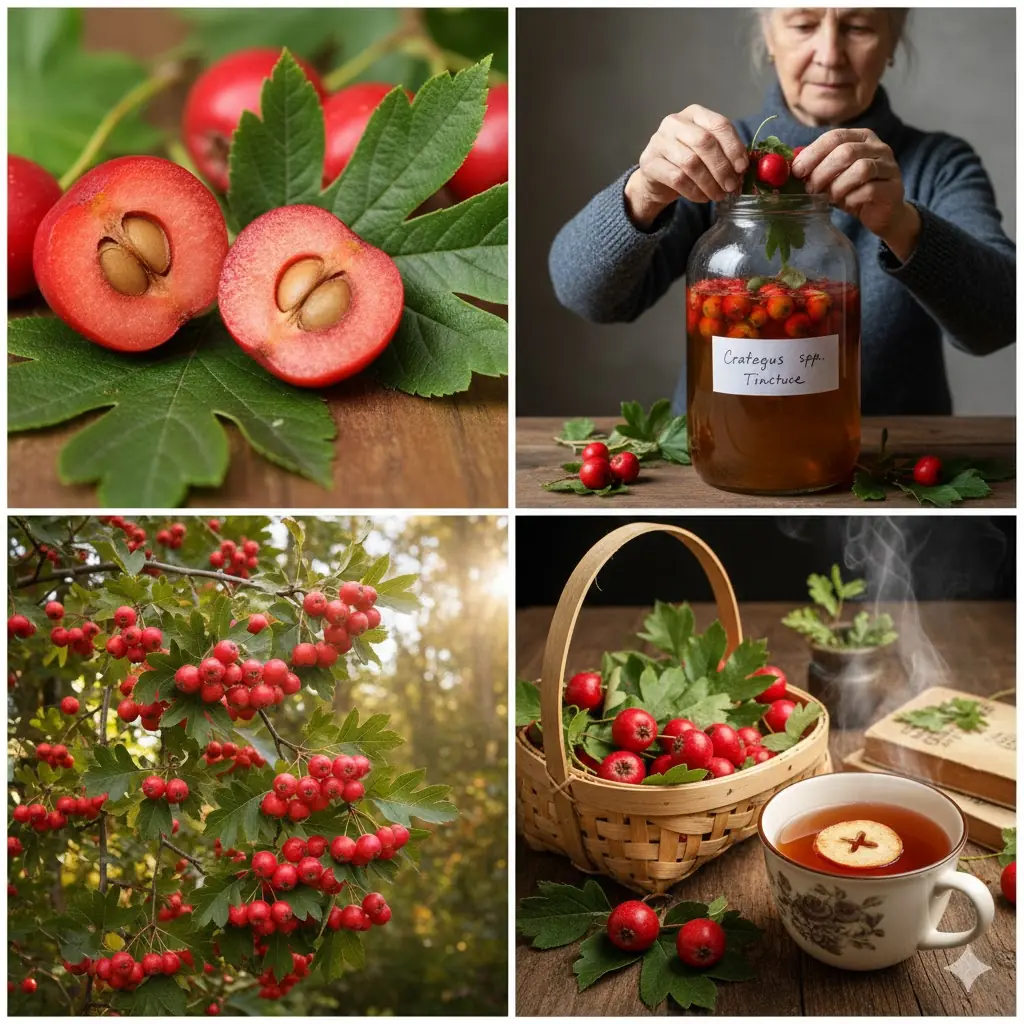
2. Hawthorn – A Traditional Heart and Vessel Tonic
Hawthorn has been used in European herbal traditions for centuries. Its berries and leaves are rich in flavonoids and oligomeric proanthocyanidins, compounds associated with vascular relaxation and antioxidant support. Some clinical reviews suggest hawthorn may help support mild circulatory concerns and cardiac efficiency.
How to use:
Tip: Standardized extracts are available for those who prefer capsules—follow label directions carefully.

3. Ginkgo Biloba – Support for Microcirculation
Ginkgo biloba extract has been widely studied for its effects on small blood vessels, particularly in the brain and lower extremities. Research indicates it may support oxygen delivery and balanced platelet function, contributing to improved microcirculation.
Some individuals report warmer hands and feet or improved mental clarity with consistent use.
How to use:
Tip: Benefits may take several weeks of consistent use to notice subtle changes.
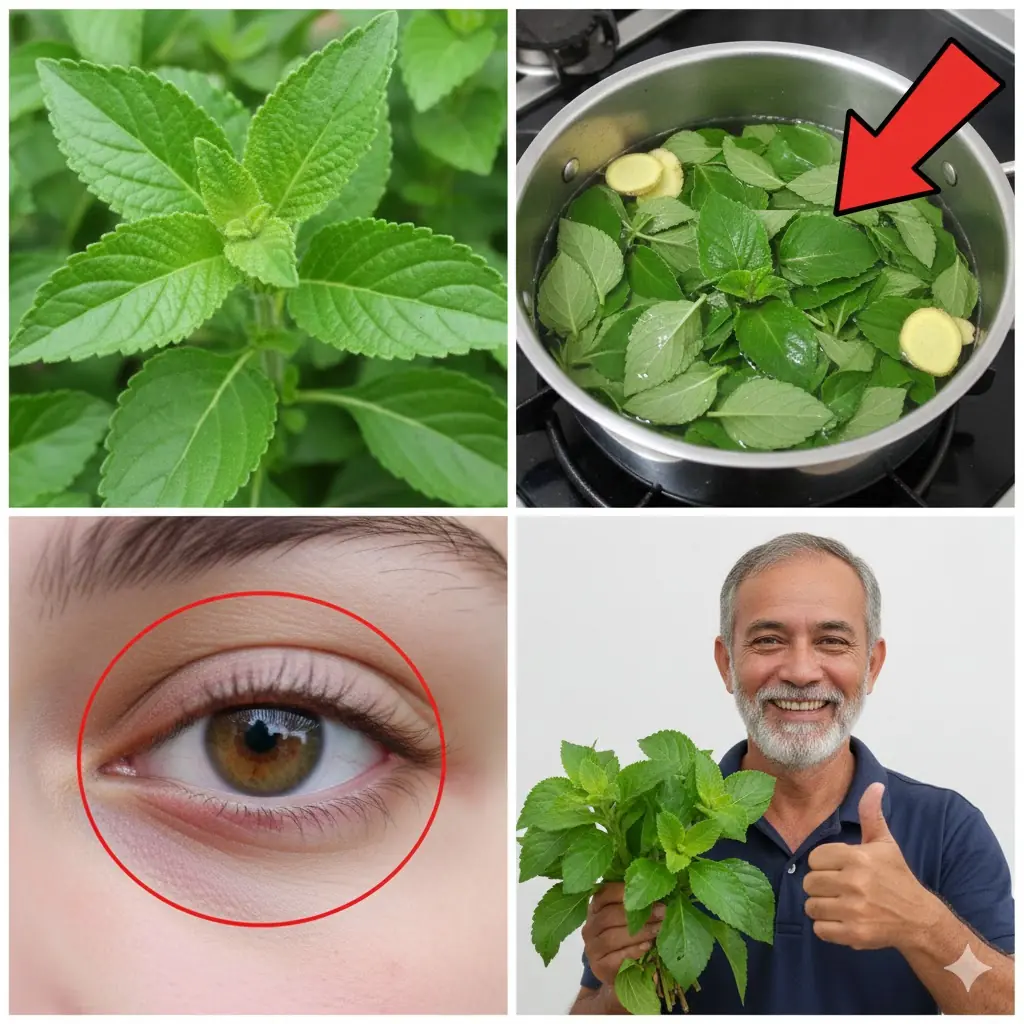
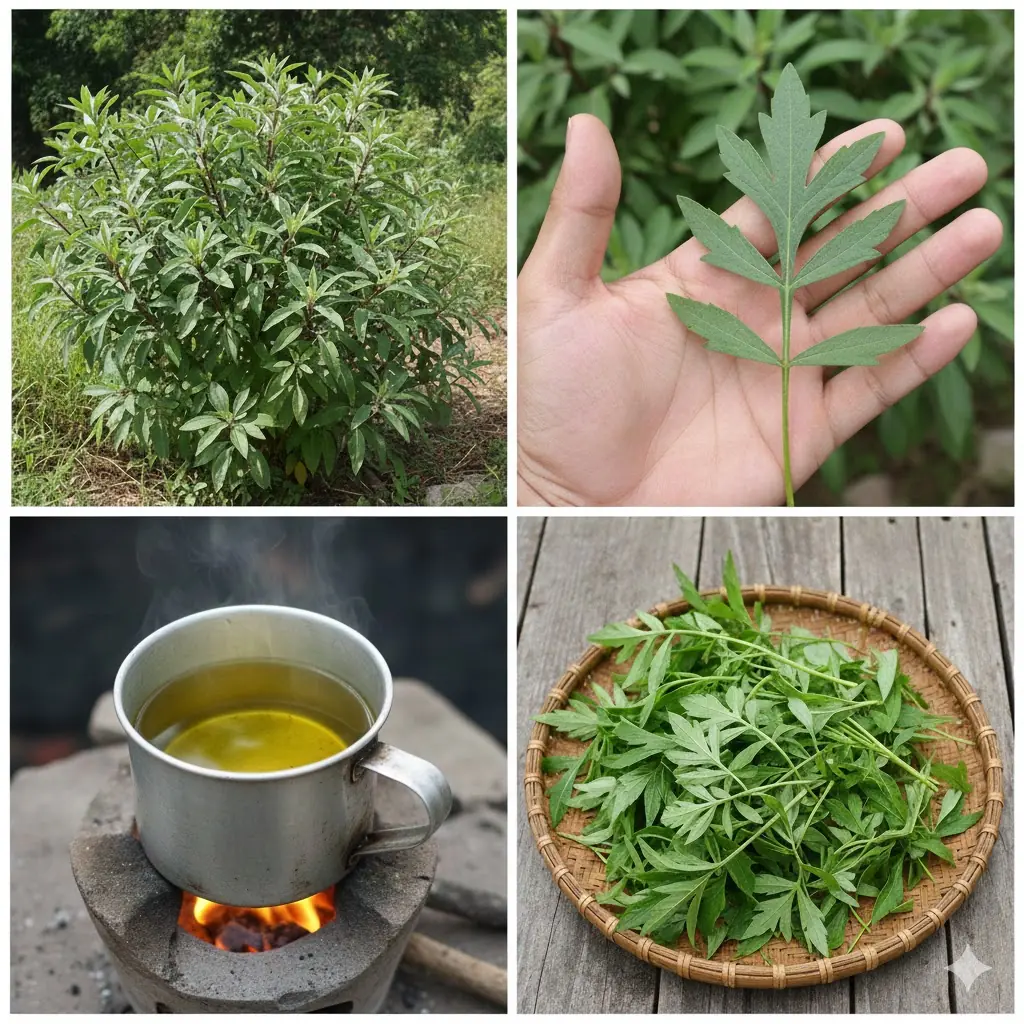
4. Sweet Basil – Everyday Vascular Support
Sweet Basil contains eugenol and other plant compounds that may help modulate inflammation and support vessel relaxation. Though milder than concentrated extracts, basil offers an easy and sustainable way to include supportive compounds daily.
How to use:
-
Add fresh leaves to salads, pasta, and soups
-
Blend into pesto
-
Use dried basil in seasoning mixes
Tip: Growing basil at home ensures a steady, fresh supply.
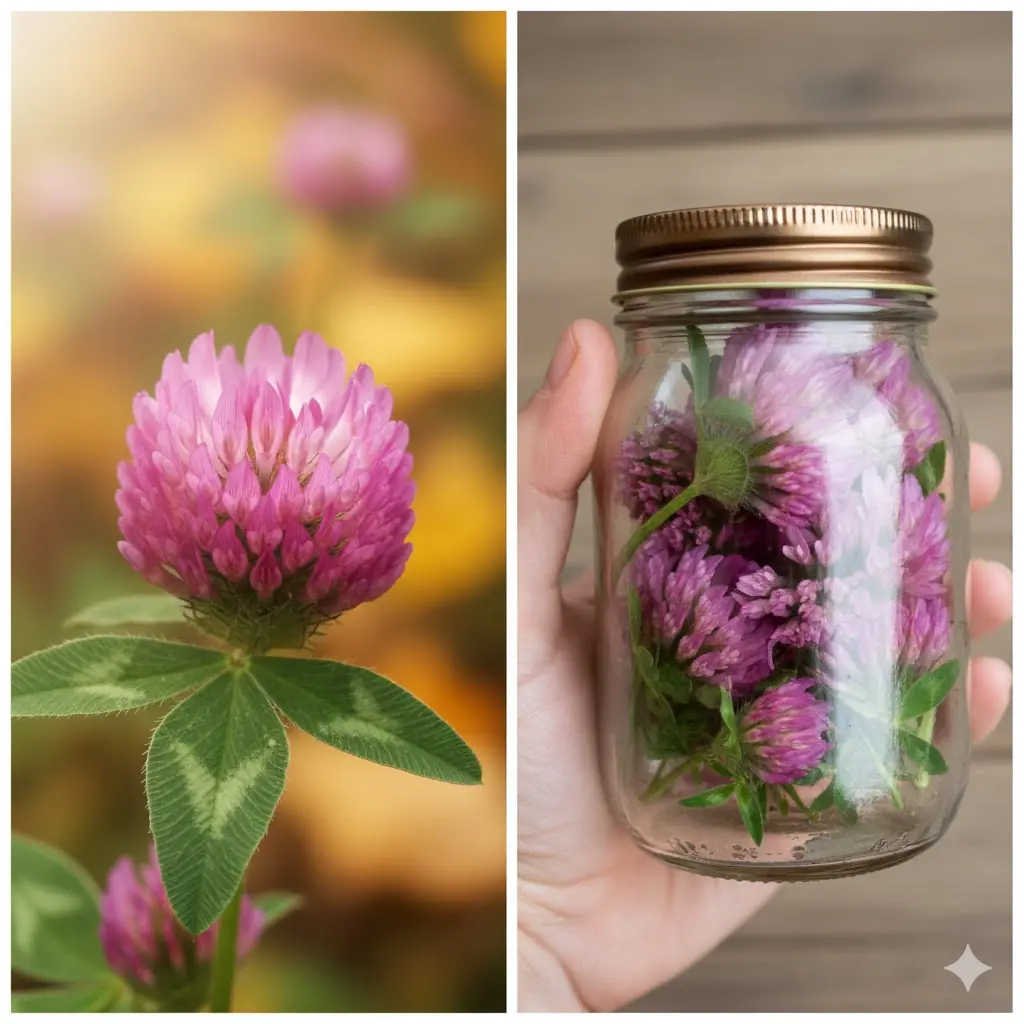
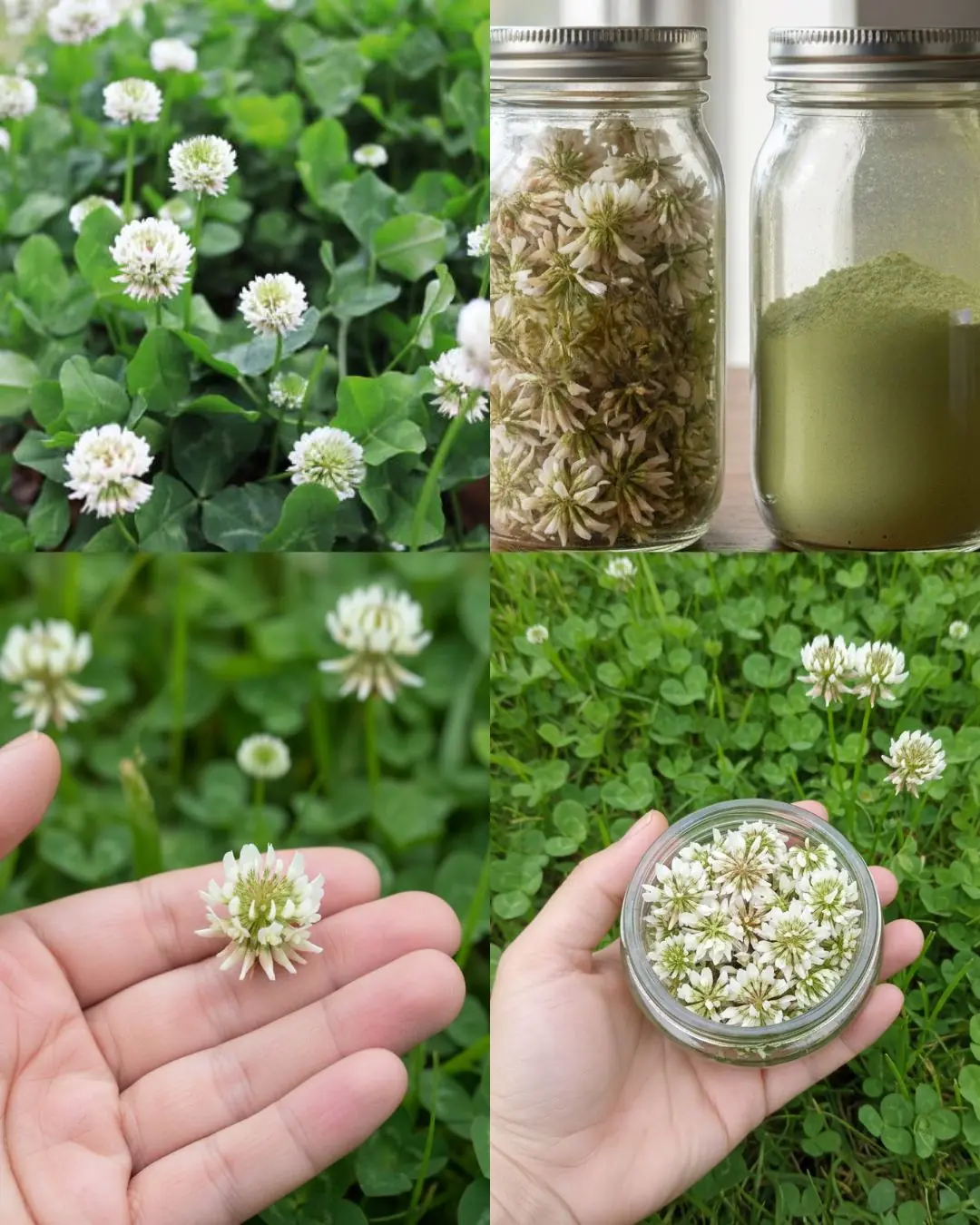
5. Red Clover – Supporting Vessel Elasticity
Red Clover flowers are rich in isoflavones—plant compounds that may support vascular elasticity and arterial compliance. Some studies suggest potential benefits for vessel flexibility, especially during midlife transitions.
How to use:
Tip: Choose high-quality, organic sources when possible.

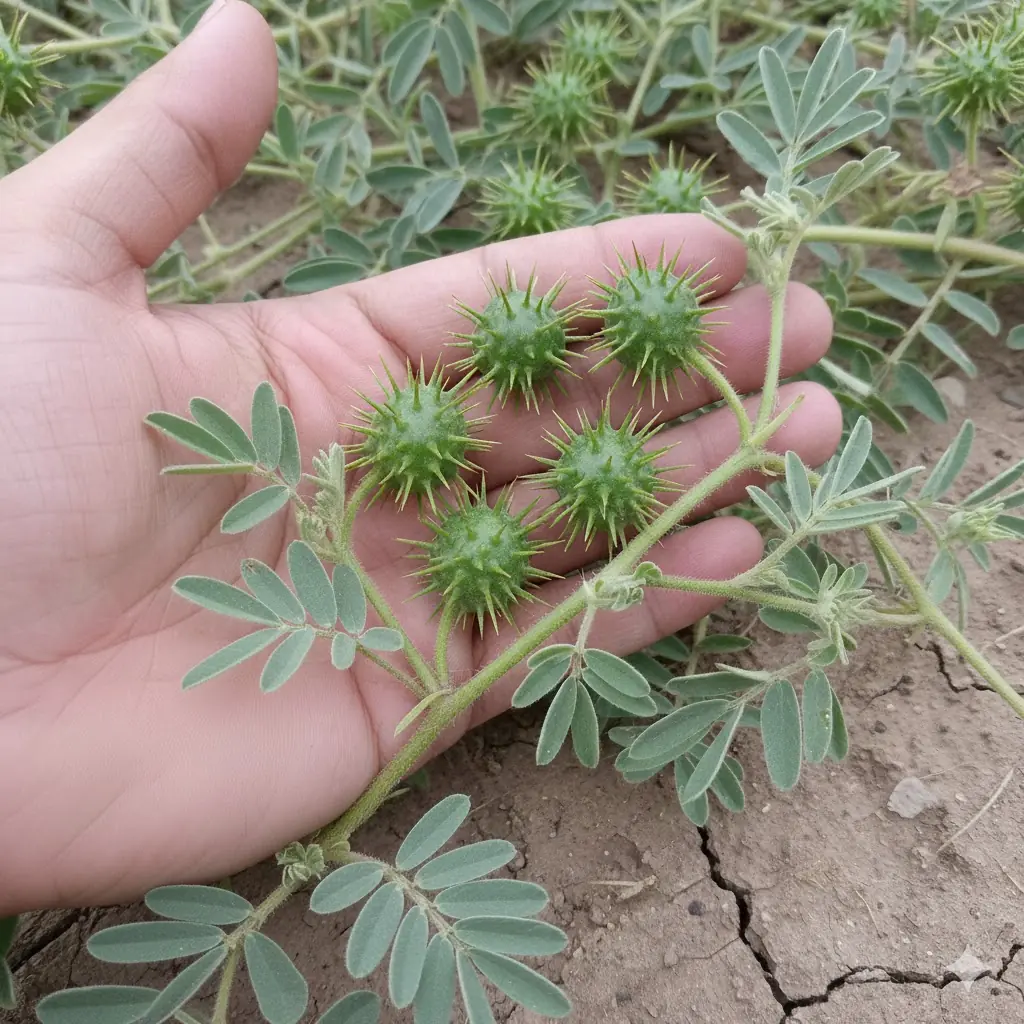
6. Black Seed – Antioxidant and Metabolic Support
Nigella sativa, commonly called black seed, contains thymoquinone and other antioxidant compounds studied for their anti-inflammatory and vascular-protective effects. It may support overall metabolic balance, which indirectly benefits circulation.
How to use:
-
Take oil capsules (commonly 500–1000 mg daily, follow label directions)
-
Sprinkle seeds over yogurt, salads, or smoothies
Tip: Begin with small amounts due to its strong, peppery taste.
Practical Integration Plan
Weeks 1–2:
Weeks 3–4:
After 1 Month:
Combining dietary herbs with walking, stretching, proper hydration, and healthy fats (such as olive oil) may enhance overall benefits.
Frequently Asked Questions
What early signs of reduced circulation should I watch for?
Common signs include leg heaviness after sitting, mild ankle swelling, warmth in the calves, fatigue during walking, or occasional cramps.
How long before herbs may show noticeable effects?
Some people report subtle improvements within 2–4 weeks of consistent use. Results vary depending on overall health, activity level, and diet.
Are these herbs safe for everyone?
While generally safe in culinary amounts, certain herbs—especially ginkgo, hawthorn, or black seed—may interact with medications such as blood thinners. Always consult a qualified healthcare provider before beginning new supplements.
Final Thoughts
Circulation changes often happen gradually, but so can improvements. Small, steady lifestyle adjustments—paired with thoughtfully chosen herbs—may help support vascular comfort over time.
Start simple. Stay consistent. Listen to your body. And always prioritize professional medical guidance when addressing circulation concerns.
This article is for informational purposes only and does not diagnose, treat, cure, or prevent any disease. Always consult a healthcare professional for personalized advice.