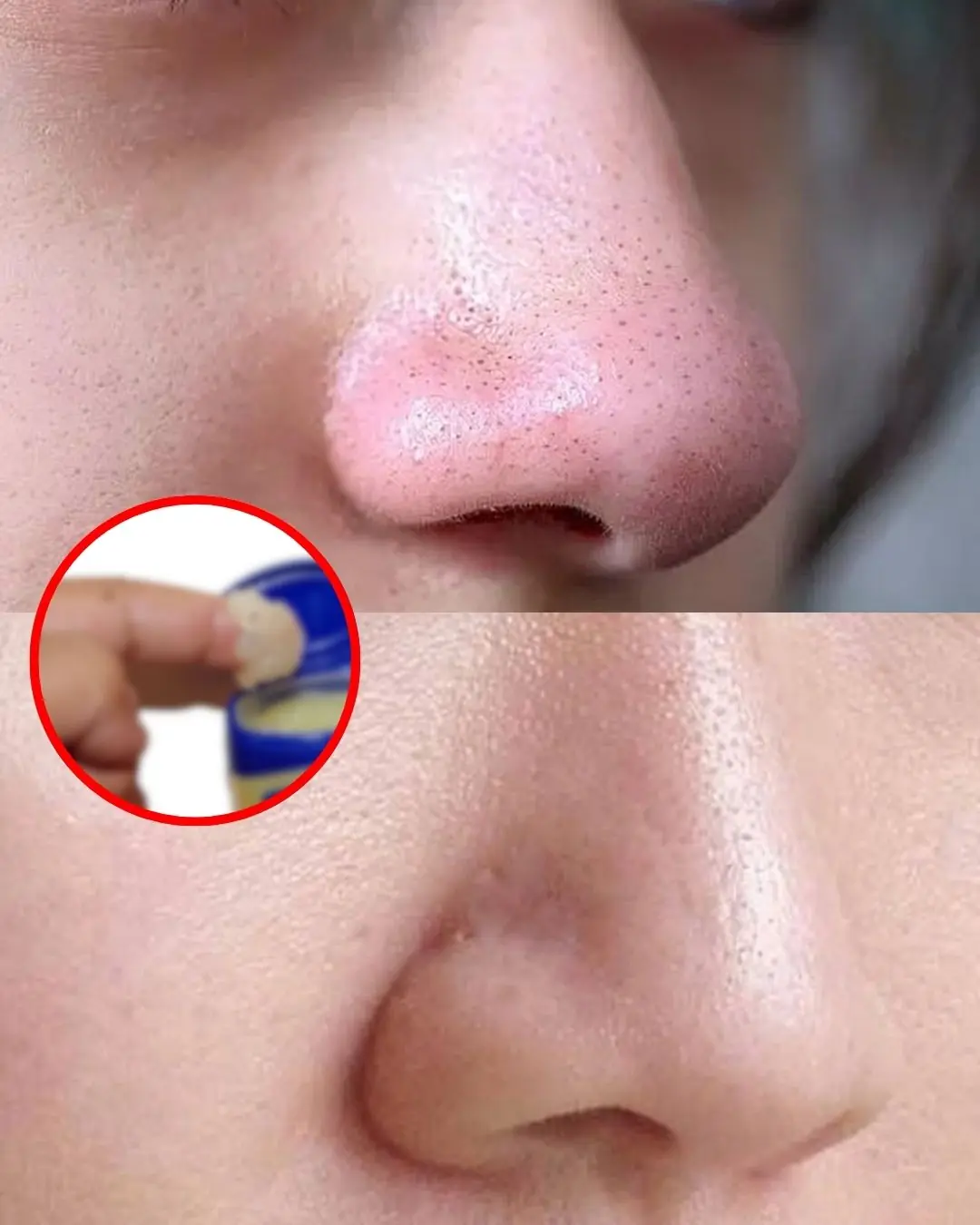
Remove Blackheads On Your Nose
Health 14/12/2025 21:34
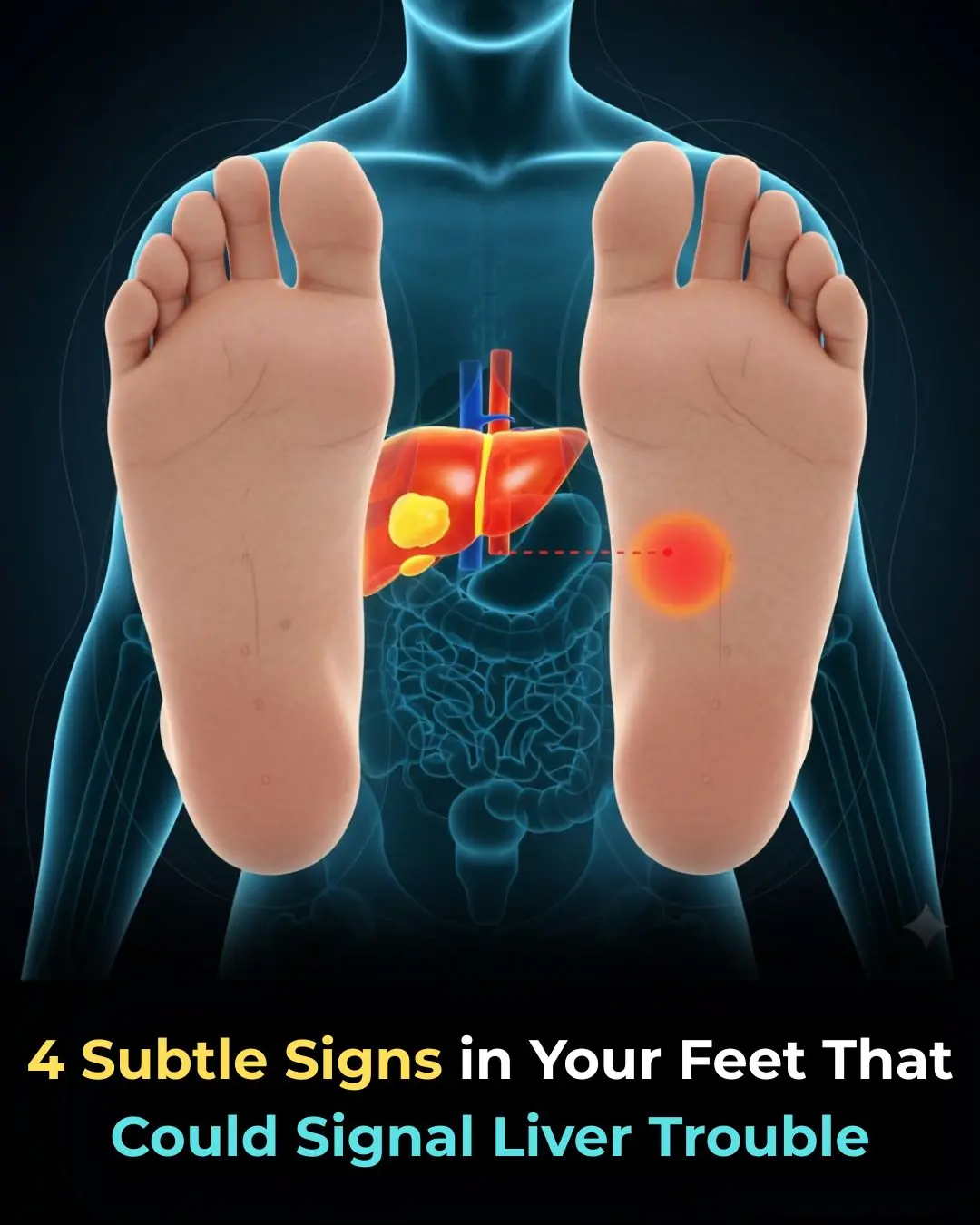
Your liver is one of the hardest-working organs in your body. It performs more than 500 essential functions every single day, including filtering toxins from the blood, regulating glucose, producing bile for digestion, balancing hormones, and managing inflammation. Because of its central role in metabolism and detoxification, even mild liver dysfunction can quietly affect many parts of the body long before classic symptoms appear.
What many people don’t realize is that early warning signs of liver trouble don’t always show up as abdominal pain or abnormal blood tests at first. In some cases, your feet can provide subtle but important clues that your liver is under stress. Changes in circulation, nerve function, inflammation, and fluid balance often show up in the lower extremities because gravity pulls fluid downward and peripheral nerves are especially sensitive to metabolic disturbances.
Below are four foot-related symptoms that may be linked to liver dysfunction—and why they should never be ignored.
Persistent swelling in the lower limbs—known medically as peripheral edema—is one of the most common physical signs associated with liver disease. This swelling occurs when fluid leaks out of blood vessels and accumulates in surrounding tissues.
In liver disorders such as hepatitis B, hepatitis C, fatty liver disease, cirrhosis, or liver cancer, the liver’s ability to produce albumin is reduced. Albumin is a critical protein that helps keep fluid inside the bloodstream. When albumin levels drop, fluid escapes into the tissues, often settling in the feet and ankles.
Additionally, liver scarring (cirrhosis) increases pressure in the portal vein system, further contributing to fluid retention in the legs.
According to specialists, swelling that:
Persists for several days
Worsens despite rest or leg elevation
Is accompanied by fatigue, jaundice, or abdominal bloating
should prompt medical evaluation. Early assessment can help prevent progression to advanced liver damage and reduce long-term complications.
A burning, tingling, or numb sensation in the feet—often described as “pins and needles”—may indicate peripheral neuropathy. While this condition is commonly linked to diabetes, it can also occur in people with liver disease.
Chronic liver conditions such as hepatitis C and alcohol-related liver disease are known to damage peripheral nerves. This happens due to a combination of toxin buildup, chronic inflammation, and metabolic imbalance. When the liver can’t efficiently detoxify the blood, nerve tissue becomes vulnerable to injury.
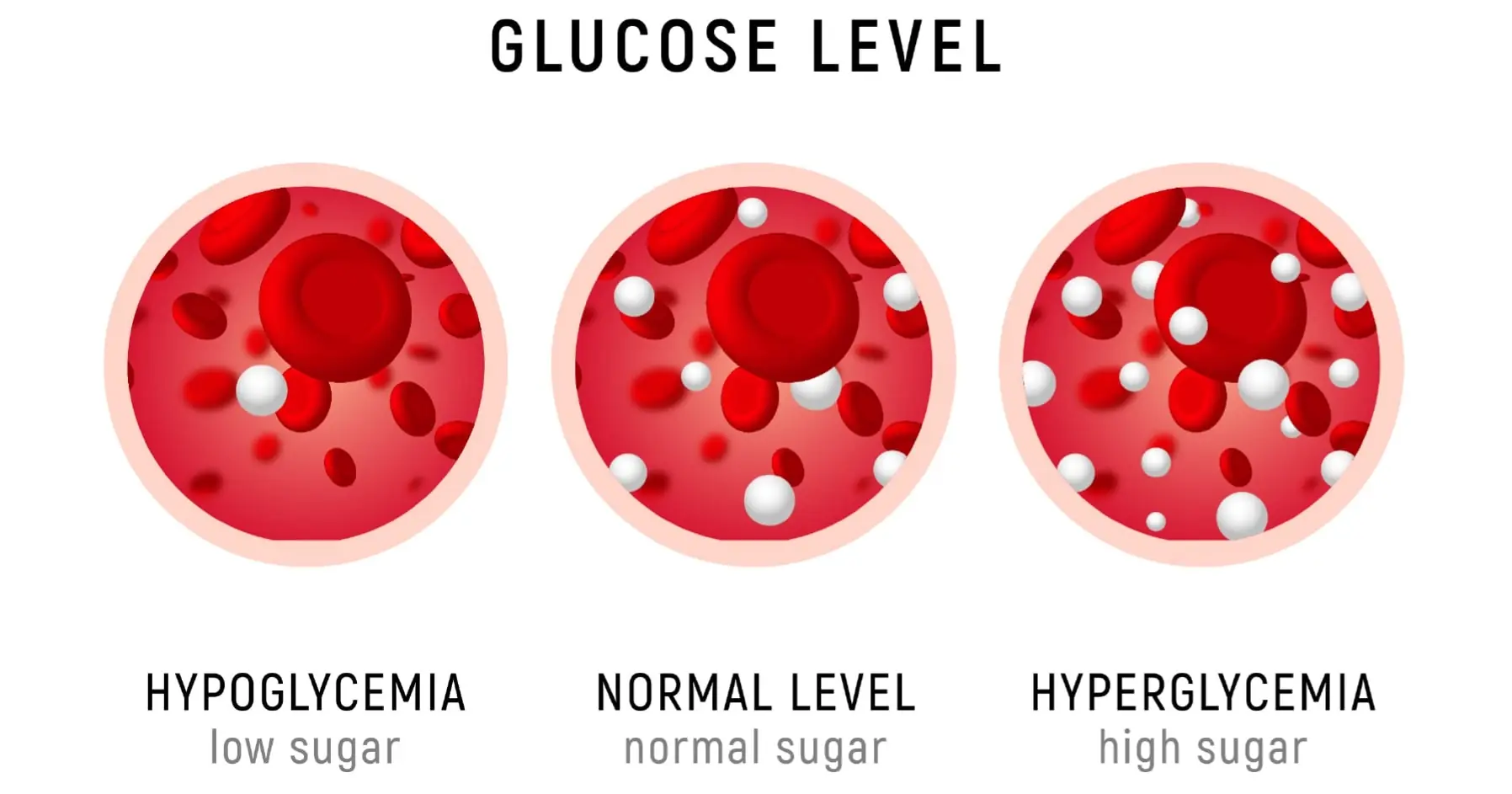
Diabetes further increases this risk, and it’s important to note that liver dysfunction itself raises the likelihood of insulin resistance and blood sugar dysregulation. This creates a dangerous feedback loop where liver disease and nerve damage worsen each other.
You should seek medical advice if numbness or tingling:
Persists for weeks
Affects most or all of the foot
Is accompanied by weakness or burning pain
Early detection of neuropathy can prevent irreversible nerve damage and uncover underlying liver or metabolic disorders.
Each foot contains 26 bones and 33 joints, making it especially vulnerable to inflammation-related pain. While arthritis is often blamed, chronic liver disease can also contribute to joint discomfort and stiffness in the feet.
Cirrhosis and advanced fatty liver disease are associated with systemic inflammation, meaning inflammation affects the entire body—not just the liver. This inflammatory state can aggravate joint pain, worsen osteoarthritis, and increase bone fragility.
Additionally, people with non-alcoholic fatty liver disease (NAFLD) often experience metabolic syndrome, which is linked to reduced bone density and increased musculoskeletal pain.
If foot joint pain:
Occurs without clear injury
Worsens over time
Is paired with fatigue or unexplained weight changes
it may be worth evaluating liver health alongside musculoskeletal causes.
Chronic itching—especially on the palms of the hands and soles of the feet—can be a lesser-known sign of liver dysfunction. This condition, known as pruritus, often occurs in advanced liver disease.
When bile flow is impaired, bile acids accumulate in the bloodstream and irritate nerve endings in the skin. This leads to intense itching that may not respond to topical creams or antihistamines.
In some cases, itching appears before other classic liver symptoms, making it an important early warning sign. Even liver treatments themselves can dry the skin and worsen itchiness, especially if proper skin hydration is not maintained.
Persistent itching that:
Is localized to hands or feet
Occurs without rash
Interferes with sleep
should never be ignored and warrants further medical evaluation.
While these foot-related symptoms can have multiple causes, they should not be dismissed—especially if more than one is present or symptoms persist. Liver disease is often silent in its early stages, and timely intervention can significantly slow or even reverse damage.
Doctors may recommend blood tests, imaging studies, or lifestyle interventions to assess liver function and prevent progression.
Your feet may seem far removed from your liver, but they can quietly reflect what’s happening inside your body. Swelling, numbness, joint pain, and persistent itching are not just discomforts—they can be valuable signals that your liver is struggling. Paying attention to these signs and acting early may protect not only your liver, but your overall metabolic and cardiovascular health as well. Listening to your body today could prevent serious disease tomorrow.