
6 Healthiest Fish to Eat for Your Heart and Brain Health
Health 09/01/2026 22:37
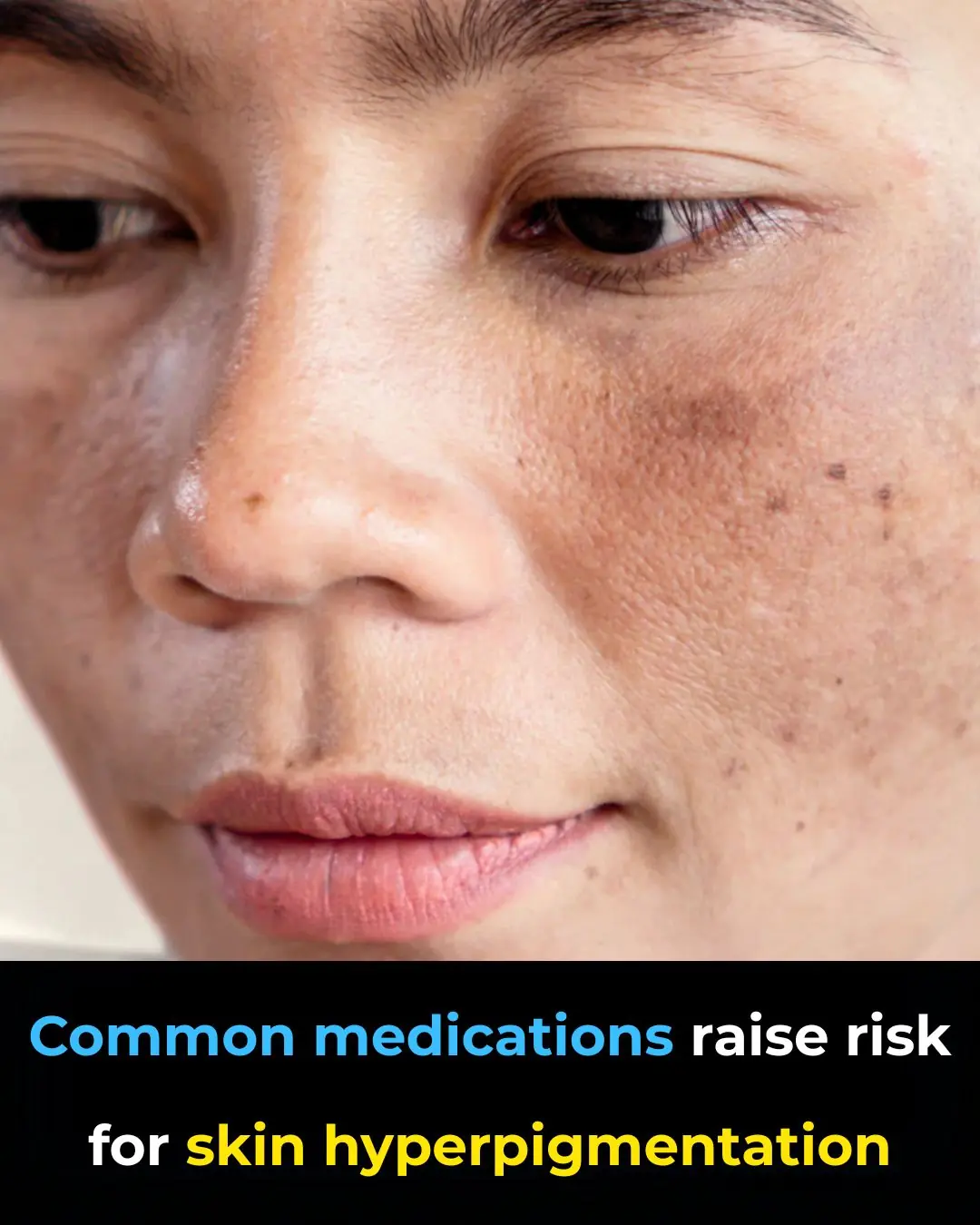
Skin hyperpigmentation—a condition characterized by darkened patches or discoloration of the skin—is often associated with sun exposure, hormonal changes, and inflammatory skin disorders. However, growing evidence suggests that commonly prescribed medications may also play a significant role. A large real-world data analysis now indicates that several widely used drug classes, including antibiotics, antidepressants, and diuretics, are associated with an increased risk of developing skin hyperpigmentation.
The analysis, which drew on extensive real-world clinical data, examined medication exposure and subsequent reports of skin pigmentation changes across a large and diverse patient population. Researchers found that certain medications were consistently associated with higher rates of hyperpigmentation compared with nonusers.
Among the drug classes evaluated, tetracycline antibiotics—particularly doxycycline and minocycline—showed the strongest association. Patients exposed to tetracyclines experienced approximately a twofold increase in risk of developing hyperpigmentation.
Tetracyclines are commonly prescribed for acne, respiratory infections, and other bacterial conditions. Minocycline, in particular, has long been known to cause blue-gray or brown discoloration of the skin, nails, teeth, and even internal organs with prolonged use.
The study’s findings reinforce clinical observations that these antibiotics can trigger pigmentation changes through mechanisms such as:
Drug deposition in the skin
Increased melanin production
Photosensitization leading to pigment alteration after sun exposure
These effects may persist even after discontinuation of the medication, especially following long-term use.
In addition to antibiotics, the analysis identified a modest but measurable increase in hyperpigmentation risk among users of certain antidepressants and diuretics.
Antidepressants, though less strongly associated than antibiotics, may contribute to pigmentation changes through indirect effects on melanocyte activity or photosensitivity.
Hydrochlorothiazide, a widely used thiazide diuretic for hypertension and heart failure, was linked to a small but significant elevation in risk. This is consistent with its known photosensitizing properties, which may increase susceptibility to ultraviolet-induced skin changes.
While the absolute risk of medication-induced hyperpigmentation remains relatively low for most patients, the findings have important implications for clinical practice. Hyperpigmentation can have a significant impact on quality of life, particularly when it affects visible areas such as the face.
Clinicians may wish to:
Inform patients about potential skin-related side effects, especially with long-term therapy
Monitor for early signs of pigmentation changes
Consider alternative therapies when appropriate
Emphasize sun protection, including sunscreen use and protective clothing, for patients taking photosensitizing medications
Early recognition may help prevent progression and reduce the likelihood of permanent discoloration.
As with all observational real-world analyses, the study cannot establish causation. Factors such as cumulative sun exposure, skin type, duration of medication use, and concurrent therapies may influence individual risk. Further prospective studies are needed to clarify mechanisms, dose-response relationships, and reversibility of medication-associated hyperpigmentation.
This large real-world data analysis adds to growing evidence that commonly prescribed medications, particularly tetracycline antibiotics, are associated with an increased risk of skin hyperpigmentation. Although the risk varies by drug class and is generally modest, awareness of this potential side effect can support better patient counseling, earlier detection, and improved dermatologic outcomes.