6 Healthiest Fish to Eat for Your Heart and Brain Health
Health 09/01/2026 22:37
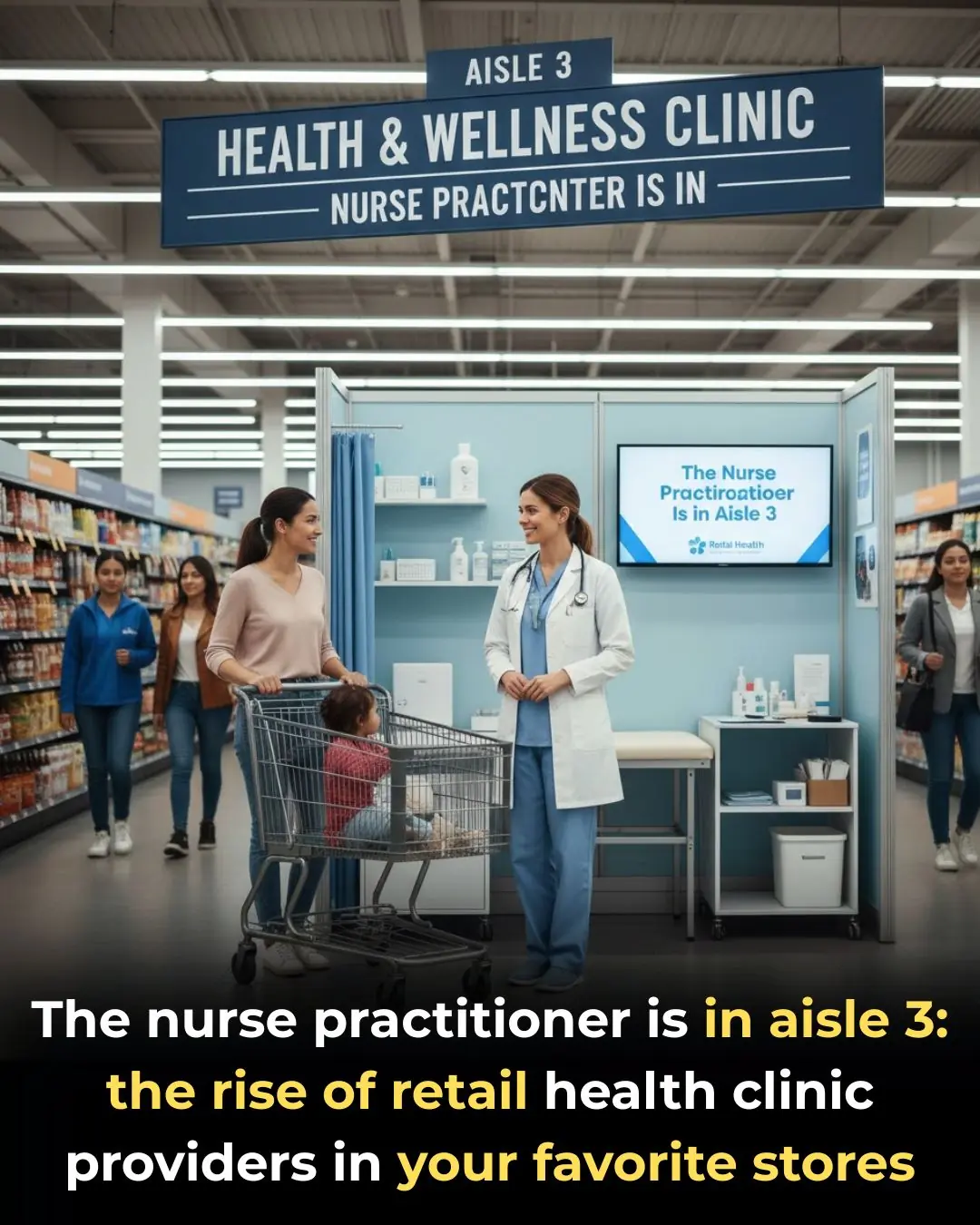
A routine trip to the pharmacy or grocery store is no longer just about picking up household essentials. Increasingly, patients are finding a healthcare provider—often a nurse practitioner (NP)—just a few aisles away. From big-box retailers to neighborhood pharmacies, retail and nontraditional care settings are rapidly becoming an important access point for frontline healthcare. What was once considered a convenience-based novelty is now emerging as a potential solution to widening primary care gaps.
The expansion of retail health clinics is driven by a convergence of pressures on the healthcare system. Primary care shortages, rising patient demand, long wait times, and escalating costs have pushed health systems to seek alternative care delivery models. Retail clinics offer:
Extended hours, including evenings and weekends
Walk-in availability without lengthy appointment delays
Lower-cost care for routine and preventive services
Geographic accessibility in communities where primary care access is limited
For patients, the appeal is clear: healthcare that fits into daily life rather than disrupting it.
Nurse practitioners are at the forefront of this shift. With advanced clinical training and a strong focus on patient-centered care, NPs are well suited to manage the types of services commonly offered in retail settings. These include:
Acute care for minor illnesses and injuries
Preventive screenings and vaccinations
Chronic disease monitoring (such as hypertension or diabetes)
Health counseling and medication management
In many retail clinics, NPs serve as the primary or sole clinicians, practicing with a high degree of autonomy depending on state or regional regulations.
The growing presence of NPs in retail clinics could help address a looming primary care crisis. As physician shortages intensify—particularly in rural and underserved areas—NP-led care models offer a scalable alternative. By managing routine and low-acuity conditions, retail clinics can:
Reduce pressure on emergency departments
Free up physician time for complex cases
Improve continuity for patients who might otherwise forgo care
For health systems, partnerships with retail clinics also represent a way to extend their reach beyond traditional clinical walls.
Despite their potential, retail-based NP services face significant challenges. Scope-of-practice regulations vary widely, influencing how independently nurse practitioners can practice. In some regions, NPs must maintain collaborative agreements with physicians, limiting operational flexibility and increasing costs.
Additionally, questions remain about:
Integration with existing healthcare systems
Access to comprehensive patient records
Continuity of care for patients with complex conditions
Quality oversight and standardization
Without thoughtful regulation and coordination, retail clinics risk becoming fragmented points of care rather than integrated healthcare solutions.
To maximize their impact, retail clinics must be effectively integrated into broader healthcare ecosystems. This includes interoperability with electronic health records, clear referral pathways, and collaboration with primary care practices and specialists.
Looking ahead, “aisle 3 visits” may become a normalized part of healthcare delivery—particularly for preventive care and chronic disease management. As healthcare continues to decentralize, nurse practitioners are poised to play a defining role in shaping accessible, community-based care.
The rise of nurse practitioners in retail and nontraditional settings represents a fundamental shift in how and where care is delivered. While challenges related to regulation, integration, and scope remain, the model holds promise for improving access, reducing costs, and closing critical gaps in primary care. For many patients, the future of healthcare may be closer than they think—waiting just a few aisles away.