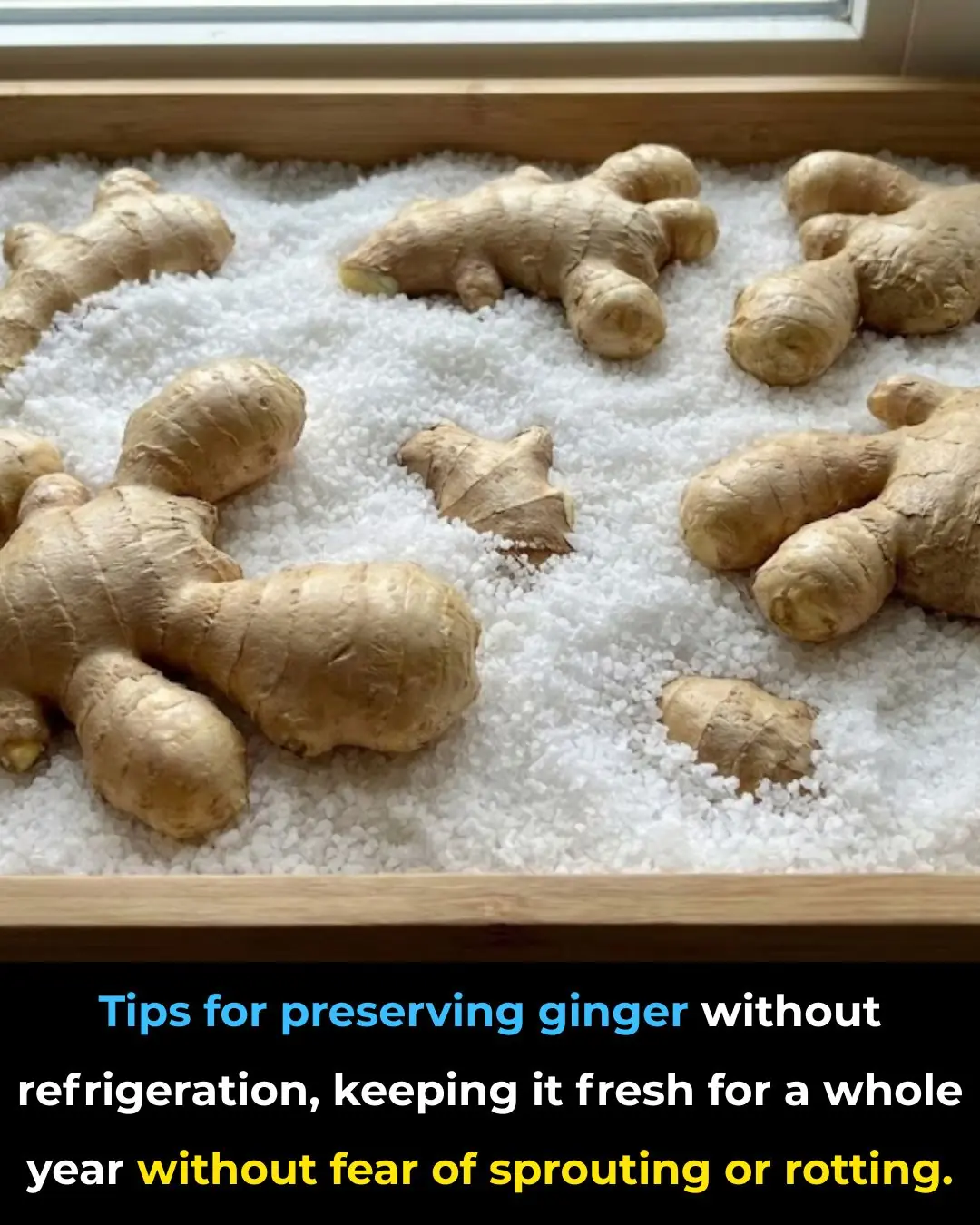
Simple Tips to Store Ginger Without a Refrigerator: Keep It Fresh for a Year Without Sprouting or Spoiling

Instead of storing ginger in the refrigerator, you can use several simple household methods to keep it fresh, firm, and usable for a long time. When stored properly, ginger can last for months—even up to a year—without sprouting or rotting.
Ginger is a widely used spice with a spicy flavor and warming properties. It is commonly added to dishes to remove odors from meat, fish, and seafood, and it is also valued for its traditional health uses, such as warming the body, easing colds, reducing nausea, and preventing motion sickness.
However, when stored improperly, ginger can easily sprout, shrivel, or rot. Spoiled ginger may produce harmful substances that are not safe for consumption. Fortunately, you don’t need a refrigerator to preserve ginger effectively.
Effective ways to store ginger without refrigeration
1. Storing ginger with baking soda
Do not wash the ginger after purchasing. Simply wipe off dirt with a dry cloth and let it air-dry completely in a well-ventilated place.
Prepare a cardboard box and line the bottom with newspaper or paper towels. Sprinkle a thin layer of baking soda on top. Place the ginger in the box, then sprinkle another light layer of baking soda over it. Repeat this layering process until all the ginger is stored.
Baking soda absorbs moisture very well, helping keep the ginger dry and preventing mold and sprouting. Store the box in a cool, dry place.
2. Storing ginger in rice
Clean the ginger thoroughly to remove dirt. If you wash it with water, allow it to dry completely before storing.
Place uncooked rice in a container or bag, then bury the ginger inside the rice. Rice absorbs excess moisture and creates a dry environment, while the fine rice powder coats the ginger and limits its exposure to air, helping extend its shelf life.
3. Storing ginger in sand
Sand helps reduce airflow and moisture evaporation, keeping ginger fresh for a long time.
Prepare a pot or small box with clean, dry sand. Bury the ginger completely in the sand and cover it well. With this method, do not wash the ginger beforehand, as moisture can reduce storage quality.
4. Storing ginger with salt water
Wash the ginger to remove dirt, then soak it in lightly salted water for about 20 minutes. Remove the ginger and dry it thoroughly with paper towels.
Wrap the ginger in plastic wrap or place it in a breathable container, then store it in a cool, well-ventilated area. This method helps reduce bacteria and slow spoilage.
Important note
Regardless of the storage method you choose, check the ginger regularly. If you notice signs of mold, rot, or sprouting, remove the affected piece immediately to prevent it from spreading to other ginger roots.
By using these simple techniques, you can keep ginger fresh, safe, and ready to use at any time—without relying on a refrigerator.
News in the same category


Drop a Bar of Soap Into the Toilet: A Simple Trick With Surprising Benefits for the Whole Family

Don’t overlook these small red spots on your arm – They could be important warning signs

Scientifically Proven Health Benefits of Avocado and Avocado Seeds

10 Ways To Lower Your Blood Pressure Naturally

6 Foods You Should Eat Instead of Taking a Vitamin D Supplement

Scientific Research Identifies One Simple Action That Can Reverse Fatty Liver Disease

WHO Recommends GLP-1 Therapies for Obesity Management in New Global Guidance

Common Medications Linked to Increased Risk of Skin Hyperpigmentation

The Nurse Practitioner Is in Aisle 3: The Rise of Retail Health Clinic Providers

Liafensine Shows Promise for ANK3-Positive Treatment-Resistant Depression

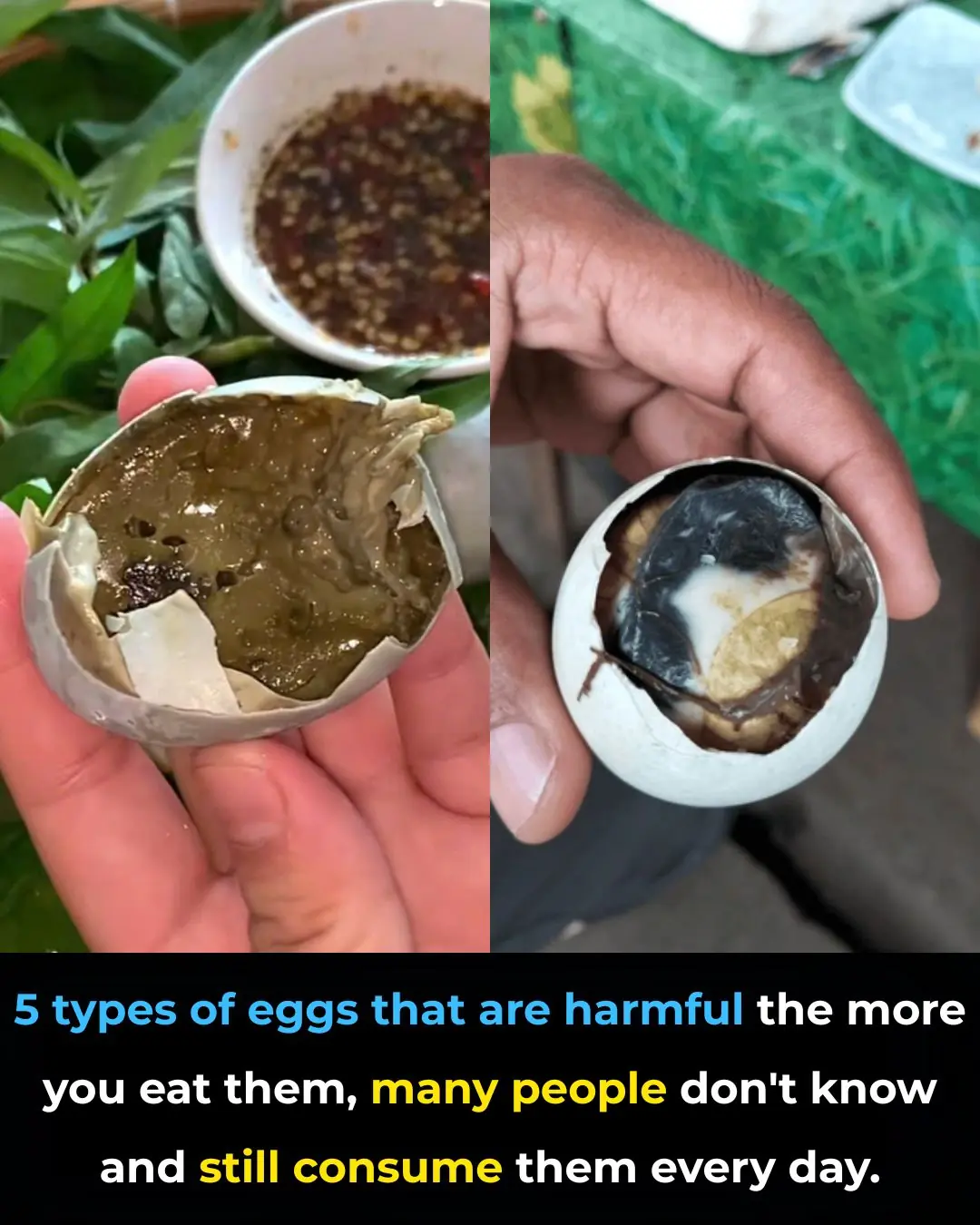
5 Types of Eggs That Can Be Harmful If Consumed Too Often

Women Who Drink Perilla Leaf Water With Lemon at These 3 Times May Notice Brighter Skin and a Slimmer Waist

The Impressive Health Benefits of Guava Fruit and Leaves & How to Eat Guava (Evidence Based)

How to Naturally Increase Estrogen Levels

Evidence-Based Health Benefits of Honey (Raw, Pure, Natural) + Turmeric Golden Honey Recipe

Foamy Urine: Here’s Why You Have Bubbles in Your Urine

Why Almonds Are So Good for You: Health Benefits of Almonds Backed by Science
News Post

6 Healthiest Fish to Eat for Your Heart and Brain Health

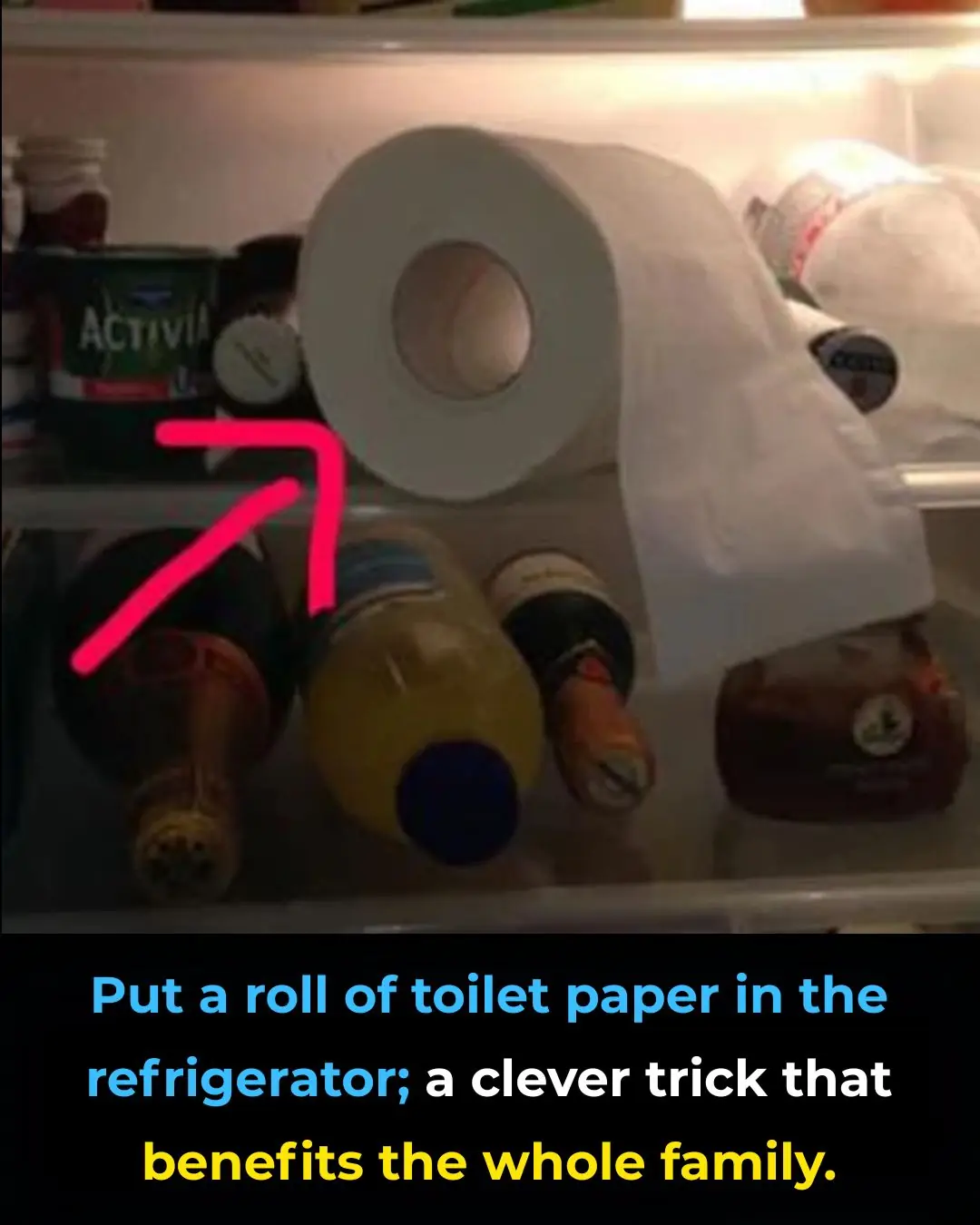
Put a Roll of Toilet Paper in the Refrigerator: A Simple Household Trick With Big Benefits

With just one toothpick, you can save hundreds of thousands of dong on gas bills every month.

If you buy clams and don't eat them all in time, remember to do this to keep them fresh longer, prevent them from shrinking, and keep them plump and sweet like when you first bought them.

When stir-frying bean sprouts, don't add them directly to the pan; this will make them delicious, crispy, and free from any fishy taste or excessive water.

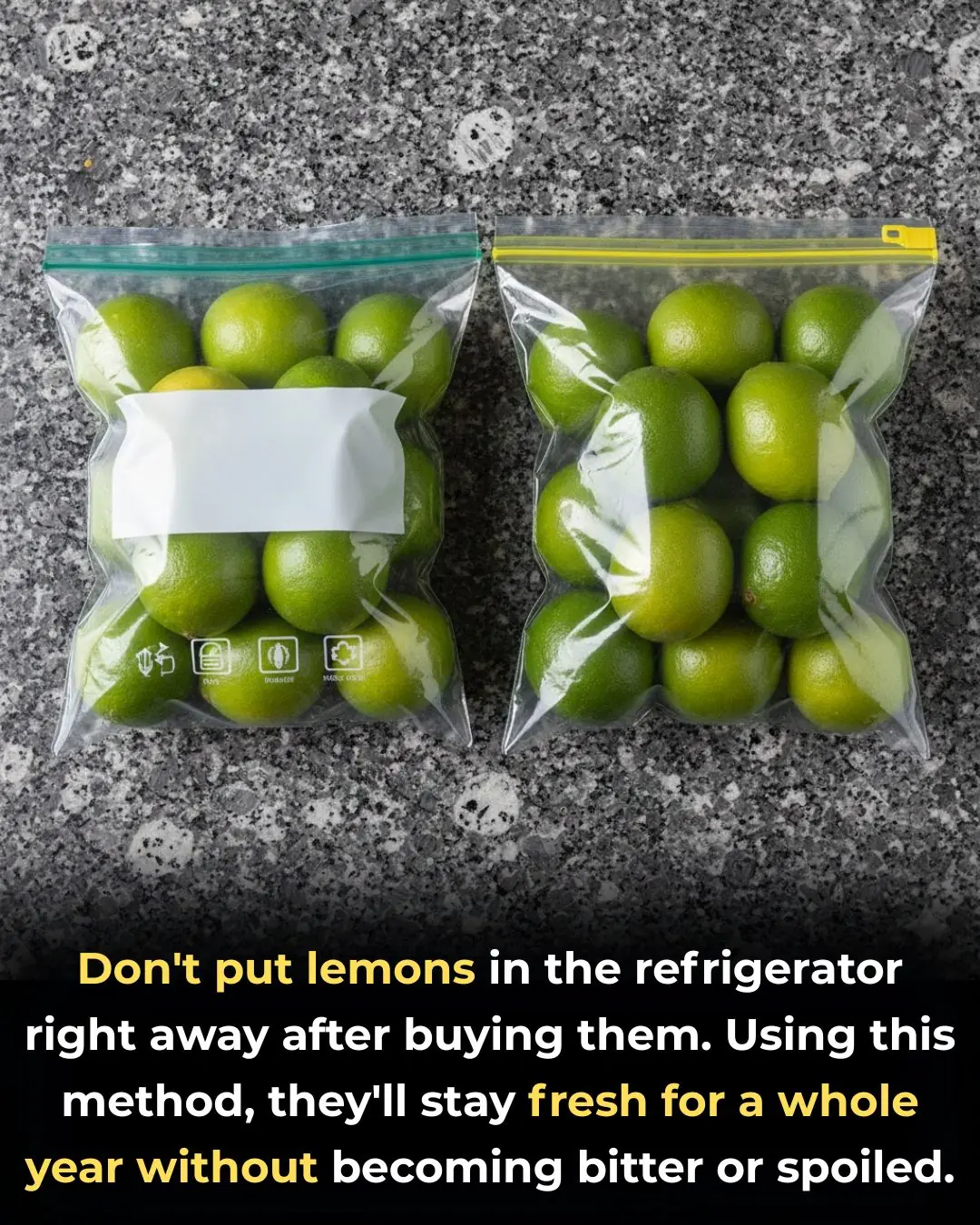
Don't put lemons in the refrigerator right away after buying them. Using this method, they'll stay fresh for a whole year without becoming bitter or spoiled.

Drop a Bar of Soap Into the Toilet: A Simple Trick With Surprising Benefits for the Whole Family

Don’t overlook these small red spots on your arm – They could be important warning signs

Scientifically Proven Health Benefits of Avocado and Avocado Seeds

10 Ways To Lower Your Blood Pressure Naturally

6 Foods You Should Eat Instead of Taking a Vitamin D Supplement

Does This Household Trick Really Keep Flies, Mosquitoes, and Cockroaches Away? What You Should Know

Don’t Throw Away Grapefruit Seeds: Little-Known Benefits You Might Be Missing

The Right Way to Boil Eggs: Forget Hot or Cold Water—Remember These 4 Key Tips for Easy Peeling

Why You Should Avoid Pouring Hot Water Down the Sink: A Common Mistake Many People Don’t Realize

Letting Tea Steep Overnight: Five Surprising Benefits You May Not Know About

What Happens to Your Body When You Eat Tofu Regularly? Four Surprising Benefits

Does Placing a Cut Onion by Your Bed Really Work? The Truth Behind This Popular Home Belief

Soaking Vegetables in Water: Why the Old Method Can Be Risky and the Safer Way to Do It