Doctors Reveal That Eating Bell Peppers Frequently Causes..
Health 22/02/2026 19:34
When a potato begins to sprout, it’s more than just a sign that it’s getting old — it’s actually a biological defense mechanism.
Potatoes naturally produce glycoalkaloids, primarily solanine and chaconine, to protect themselves from insects, mold, bacteria, and animals. These compounds act as natural pesticides for the plant.
In small amounts, glycoalkaloids are present in all potatoes and are generally safe. However, when potatoes are exposed to light, stored in warm or humid environments, or begin to sprout, toxin levels can rise significantly — especially around the eyes, sprouts, and green areas of the skin.
That’s when a common kitchen ingredient can quietly become a health concern.
Early symptoms of glycoalkaloid poisoning may include:
Nausea
Stomach cramps
Vomiting
Diarrhea
A bitter or burning taste in the mouth
These symptoms occur because solanine irritates the digestive tract and begins affecting the nervous system.
With higher intake, symptoms may progress to:
Fever
Dizziness
Slowed or irregular heartbeat
Weakness
Confusion
At this stage, the toxins interfere with nerve signal transmission and muscle control.
In extreme cases of poisoning:
Hallucinations
Difficulty breathing
Paralysis
Coma
Very rarely, death
Severe toxicity is uncommon today but may occur in young children, elderly individuals, or those with compromised immune systems.
Importantly, repeated exposure to small amounts over time may lead to chronic toxicity, potentially causing persistent digestive discomfort, fatigue, and neurological symptoms.
The answer depends on the condition of the potato.
If the potato is:
Firm
Not wrinkled
Free from green discoloration
Sprouts are short and minimal
It may be safe to eat only if you:
Remove the sprouts completely
Cut away at least 1 cm (½ inch) around each sprout
Peel off the skin thoroughly
This is because solanine concentrates most heavily in the sprouts, eyes, and skin.
Discard the potato immediately if it is:
Green under the skin
Soft or shriveled
Deeply sprouted
Bitter tasting
The green color you see is chlorophyll — which itself is not toxic — but it indicates light exposure. And light exposure is exactly what triggers increased solanine production.
If a potato tastes bitter, do not continue eating it. Bitterness is a strong warning sign of elevated glycoalkaloids.
Solanine is heat-stable.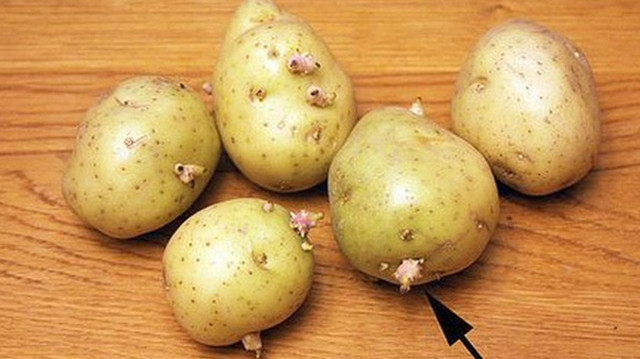
Boiling, baking, or frying may reduce levels slightly, but not enough to make heavily sprouted or green potatoes safe. High temperatures do not fully destroy glycoalkaloids.
This is why trimming alone is only acceptable when the potato is otherwise fresh and firm.
Proper storage dramatically reduces toxin development.
Cool (7–10°C / 45–50°F)
Dark
Dry
Well-ventilated
Direct sunlight
Warm kitchens
Humid storage areas
Plastic bags without airflow
Do not refrigerate potatoes. Cold temperatures convert starch into sugar, altering taste and texture. In addition, refrigeration can contribute to undesirable chemical changes during cooking.
Store potatoes separately from onions. Onions release gases that accelerate sprouting.
Check your potatoes weekly and remove any sprouting ones to prevent affecting the rest of the batch.
For best quality and safety, use potatoes within 3–4 weeks of purchase.
| Situation | Can You Eat It? | What to Do |
|---|---|---|
| Firm potato, small sprouts, no green areas | ✅ Yes (with caution) | Remove sprouts + cut away surrounding area |
| Green skin or large sprouts | ⚠️ No | Discard immediately |
| Soft, wrinkled, bitter taste | ❌ No | Throw away |
| Stored in fridge | ⚠️ Not recommended | Move to cool, dark storage |
Although solanine poisoning is rare in modern times, cases still occur when people ignore visible warning signs like greening or heavy sprouting.
Glycoalkaloids:
Are resistant to heat
Are not easily destroyed by cooking
Affect both the digestive and nervous systems
A small sprout may not seem dangerous, but toxin levels can increase significantly without obvious signs beyond greening or bitterness.
Properly stored fresh potatoes provide valuable nutrients such as:
Vitamin C
Potassium
Fiber
Complex carbohydrates
These benefits are only safe when the potato is fresh and properly handled.
If in doubt, throw it out.
Saving a questionable potato is never worth risking your health. Choosing firm, fresh, properly stored potatoes ensures you receive their nutritional benefits — without exposure to potentially harmful toxins.
Your health always comes before minimizing food waste.