
Naturally Softening the Appearance of Age Spots: A Simple DIY Mask with Cornstarch, Baking Soda, and Lemon for Brighter-Looking Skin
Health 27/02/2026 19:49
In a groundbreaking study, scientists recorded brain activity during a human’s final moments, revealing possible insights into what we experience as we approach death. Led by Dr. Ajmal Zemmar of the University of Louisville, the study observed rhythmic brain waves that hint at “life recall,” where a person may relive memories in their last seconds. The findings offer a glimpse into how the brain might process life’s final moments.
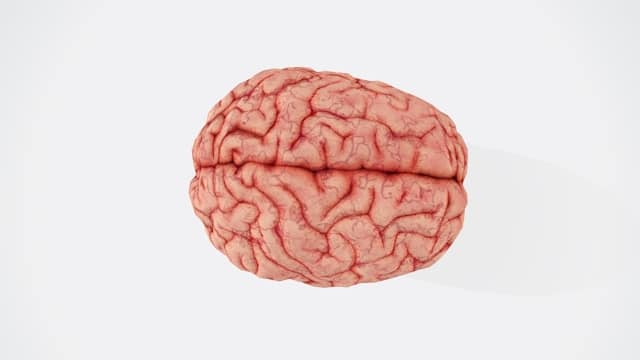
The discovery was made when an 87-year-old epilepsy patient was being monitored using electroencephalography (EEG) for seizure management. Unexpectedly, the patient experienced a heart attack and passed away, presenting researchers with a rare chance to capture brain activity both before and after death for the first time.
In total, researchers recorded 900 seconds of brain activity, focusing on the critical 30 seconds before and after the heart ceased beating. The EEG revealed various brain wave types, including gamma oscillations, which are associated with complex cognitive functions like memory recall and dreaming.
“Life recall” is often described by people who have had near-death experiences as seeing their life flash before their eyes. The brain waves observed in this study suggest that a similar process might occur just before death, potentially replaying significant life memories.
Gamma oscillations observed in the study are similar to brain waves seen in states of meditation and dreaming, suggesting that even as physical functions cease, the brain could be retrieving memories. This aligns with reports from those who have experienced near-death scenarios.
One of the study’s most striking findings is that brain activity continued even after the heart stopped beating. This observation raises questions about when life ends and whether the brain retains function after the heart stops. Traditionally, death is defined by the cessation of the heartbeat. However, the continuation of brain activity after cardiac death challenges this definition, leading to discussions about when death should officially be declared.
This research could impact organ donation protocols. If the brain remains active briefly after the heart stops, it could affect the timing of organ procurement. Some argue that EEG monitoring might help determine the precise end of brain function for better clarity on the donation process.
For families who have lost loved ones, these findings may offer comfort. Dr. Zemmar explains that the possibility of the brain recalling happy memories in its last moments could be a source of solace. “Their brains may be replaying some of the nicest moments they experienced in their lives,” he noted.
Although these results are fascinating, the study was conducted on a single epilepsy patient, whose brain function may differ from others. Additional research is needed to understand if similar results apply universally. Similar studies in animals, like rats, have shown comparable brain activity patterns, hinting that this might not be unique to humans.
This research raises more questions than it answers. Scientists now aim to determine if these brainwave patterns are common in all people at the time of death. These findings could change our understanding of life, death, and consciousness.