Naturally Softening the Appearance of Age Spots: A Simple DIY Mask with Cornstarch, Baking Soda, and Lemon for Brighter-Looking Skin
Health 27/02/2026 19:49
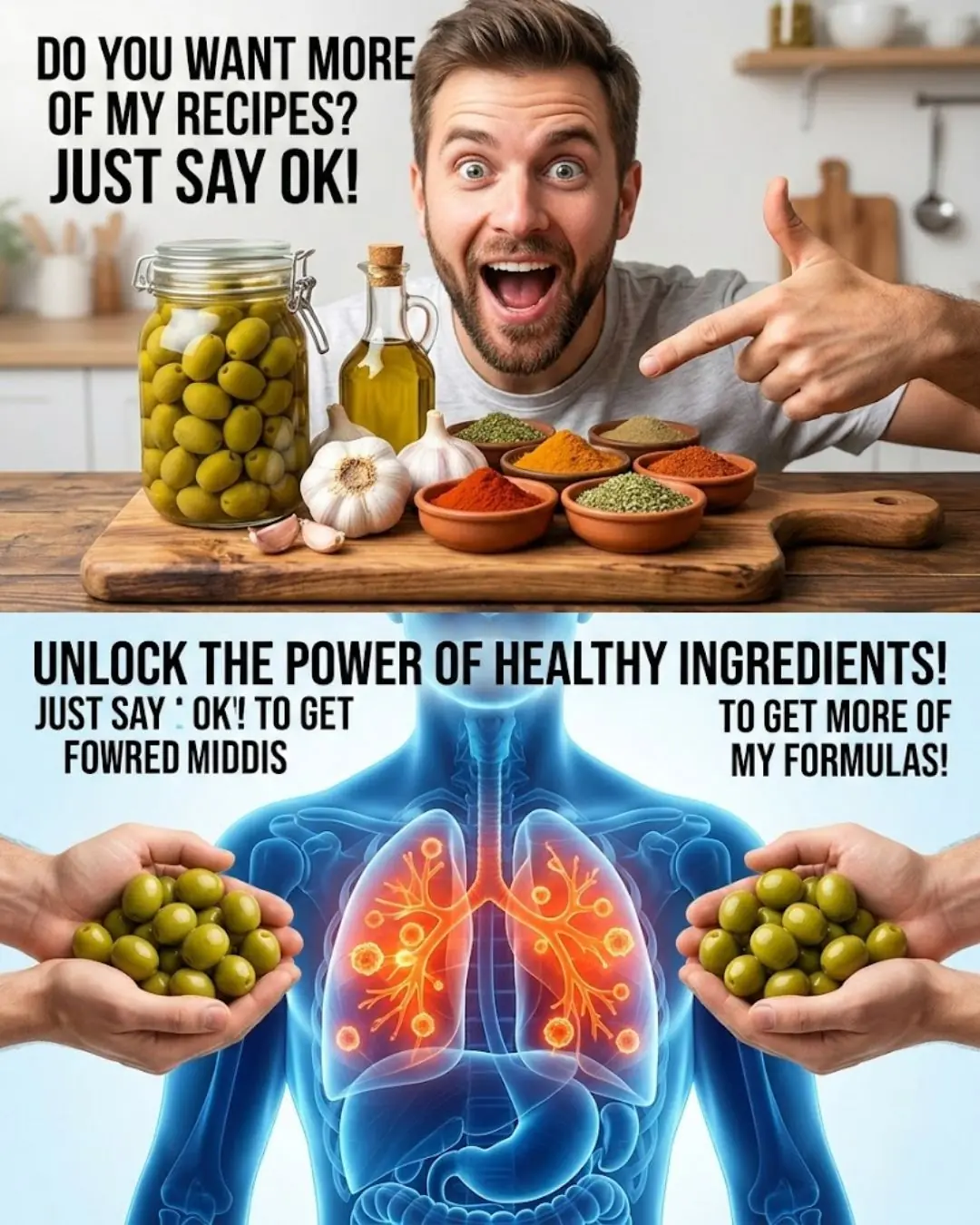
For thousands of years, the olive tree has been a symbol of health, peace, and long life. From the Mediterranean to the Middle East, people have used olives, olive oil, and olive leaves not just as food, but as part of traditional wellness practices. Today, modern science is catching up with what ancient cultures already believed: the olive tree is one of the most valuable plants for supporting overall health and longevity.
Some headlines claim this plant “cures dozens of diseases” or is a “secret miracle for eternal life.” That’s an exaggeration. No single plant can cure everything. But what is true is that olives and olive leaves contain powerful compounds that help protect the body, reduce inflammation, and support many vital systems.
Let’s look at what makes this plant so special—and what the science actually says.
The olive tree (Olea europaea) has been cultivated for over 6,000 years. In traditional Mediterranean cultures, almost every part of the tree was used:
Olive fruit for food and energy
Olive oil for cooking, skin care, and medicine
Olive leaves for teas and herbal preparations
This long tradition isn’t just cultural. Populations that follow a Mediterranean-style diet—rich in olive oil, vegetables, fruits, and whole foods—are consistently linked to longer life expectancy and lower rates of chronic disease.
Olives and olive leaves are rich in natural plant compounds, especially:
Oleuropein – a powerful antioxidant found mainly in olive leaves
Hydroxytyrosol – one of the strongest antioxidants in olive oil
Polyphenols – plant compounds that help fight oxidative stress
Healthy monounsaturated fats – especially oleic acid in olive oil
These compounds help the body in three big ways:
Reduce oxidative stress (damage caused by free radicals)
Support healthy inflammation response
Protect cells, blood vessels, and organs over time
This is why olives are often linked to heart health, brain health, and healthy aging.
Instead of claiming “70 cures,” here are the real, research-backed benefits associated with olives, olive oil, and olive leaf extracts:
Olive oil is famous for helping:
Lower “bad” LDL cholesterol
Improve “good” HDL cholesterol
Support healthy blood vessels
Reduce risk factors for heart disease
This is one of the main reasons the Mediterranean diet is so highly recommended by doctors and nutrition experts.
Antioxidants help protect your cells from damage linked to aging and many chronic diseases. Olive polyphenols and hydroxytyrosol are especially strong in this area.
Chronic inflammation is linked to many long-term health problems. Compounds in olive oil and olive leaves have been shown to support the body’s natural anti-inflammatory processes.
Olive leaf extract has been studied for its antimicrobial and immune-supporting properties. It doesn’t replace medicine, but it may help the body defend itself better.
Some studies suggest that the antioxidants in olive oil may help protect brain cells and support memory and cognitive function as people age.
Olive oil can help improve insulin sensitivity and support healthier blood sugar control when used as part of a balanced diet.
You’ll often see dramatic images or headlines suggesting olives or olive leaves can “cure cancer” or “destroy tumors.” That’s not accurate.
What research actually shows is this:
Olive compounds have antioxidant and anti-inflammatory properties
These properties may help reduce risk factors and support overall cell health
They can be part of a healthy lifestyle that lowers the risk of many chronic diseases
But olives and olive leaves are not a cure for cancer or any serious disease. They should never replace medical treatment.
People in regions where olive oil is a daily staple—like Greece, Italy, and Spain—often live longer and have lower rates of heart disease. This isn’t because of one “magic” plant, but because:
Their diets are rich in whole foods
Olive oil replaces unhealthy fats
They consume more antioxidants and anti-inflammatory compounds
Their overall lifestyle supports long-term health
Olives are a key piece of that puzzle.
You can get benefits in simple, practical ways:
Use extra virgin olive oil as your main cooking and salad oil
Eat whole olives in moderation
Drink olive leaf tea or use standardized supplements (if appropriate)
Focus on a balanced, whole-food diet instead of looking for miracles
Quality matters: choose cold-pressed, extra virgin olive oil and reputable products.
The olive tree truly is a “gift from nature”—but not because it magically cures dozens of diseases. Its real power is in long-term protection, daily nourishment, and supporting the body’s natural balance.
Used consistently, olives, olive oil, and olive leaves can:
Support heart and brain health
Help reduce inflammation and oxidative stress
Strengthen overall wellness
Play a real role in healthy aging and longevity
Not a miracle. Not a cure-all. But a smart, science-backed choice for a healthier life.