Oil prices rise as Trump says Iran let 10 tankers through Strait of Hormuz as a ‘present’
News 27/03/2026 16:44
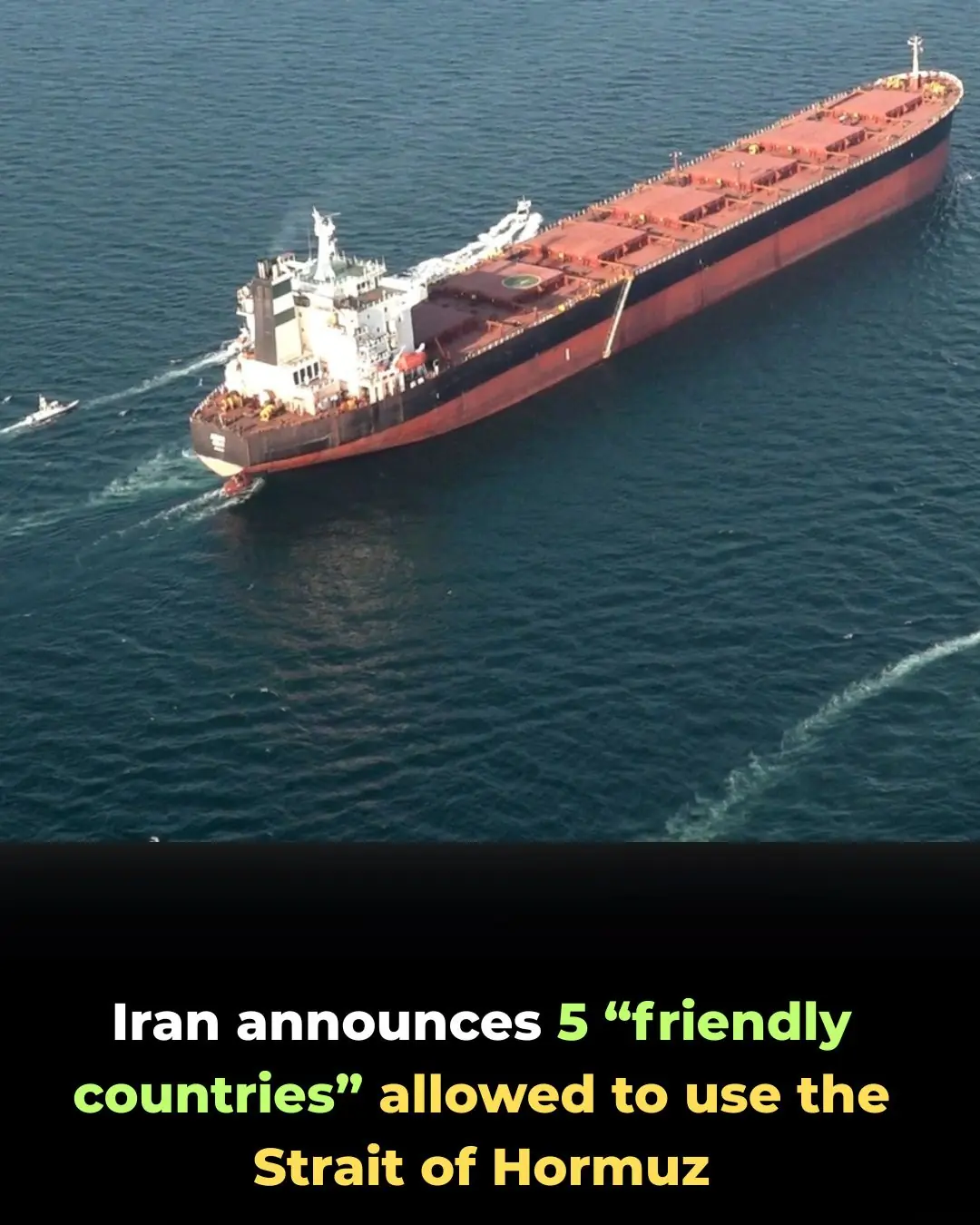
The Strait of Hormuz, one of the world's most critical maritime chokepoints, has become the center of global attention as Iran officially announces a list of "friendly" nations allowed to navigate its waters. Amidst escalating regional tensions, this move signals a significant shift in how maritime traffic is managed in the Persian Gulf.
According to Iranian Foreign Minister Abbas Araghchi, Tehran has granted safe passage to vessels from the following five countries:
China
Russia
India
Iraq
Pakistan
(Note: Recent updates also suggest that Bangladesh may be included in this "non-hostile" category after coordination with Iranian authorities.)
Iran has asserted its sovereignty over the waterway, stating that while the strait is not completely closed, it is strictly off-limits to "hostile nations" and their allies.
Selective Access: Iran characterizes the region as a "war zone" and argues there is no strategic reason to allow enemies to pass.
Economic Leverage: By controlling the flow of oil, gas, and fertilizers, Iran is reinforcing its position in international negotiations.
Coordination Requirement: Even for friendly nations, transit now requires strict coordination with Iranian officials and the Revolutionary Guard.
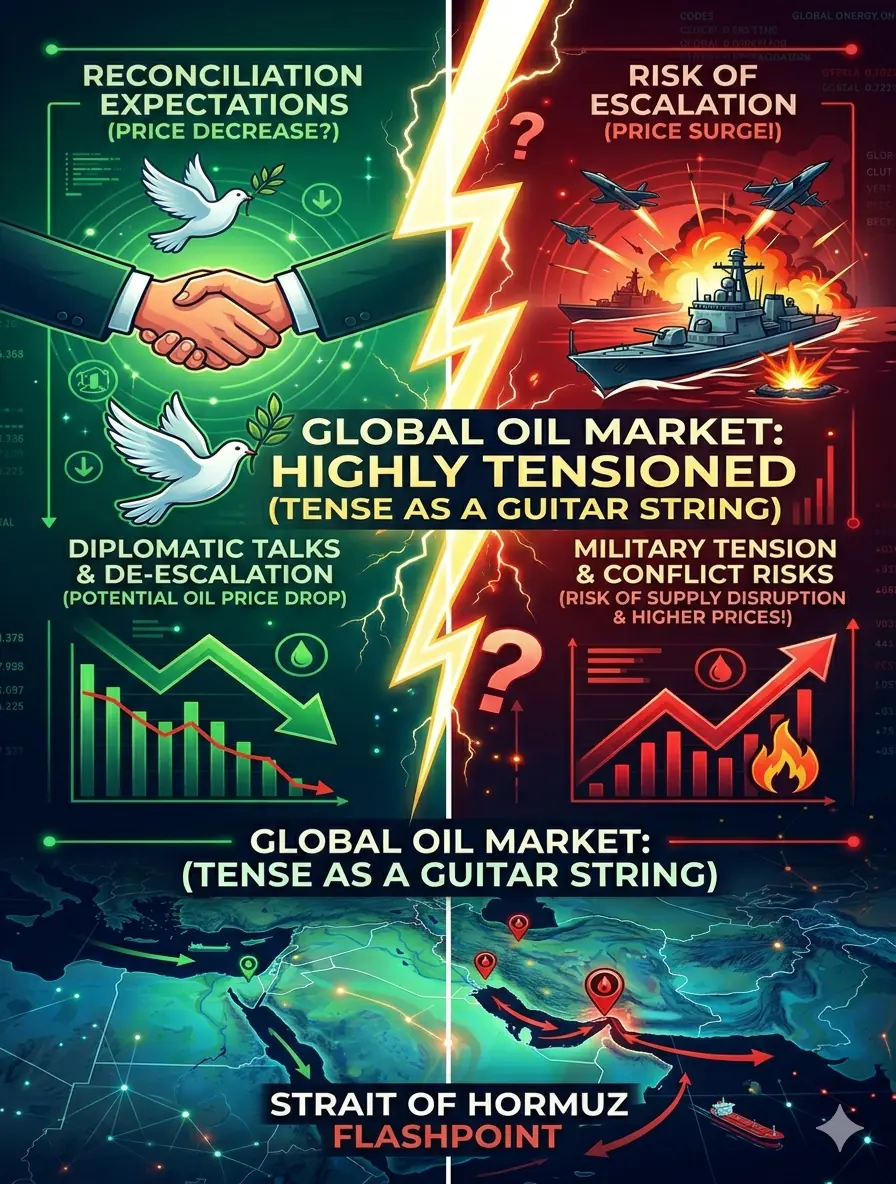
The Strait of Hormuz handles approximately 20% of the world's total oil and LNG consumption. The partial blockade has already led to:
Energy Price Surges: Brent crude prices have seen sharp fluctuations, climbing toward $104 a barrel.
Supply Chain Disruptions: Global leaders, including UN Secretary-General António Guterres, have called for the full reopening of the strait to prevent a humanitarian and economic crisis.
New Toll Proposals: Reports indicate that Iran’s parliament is drafting legislation to charge a "security fee" or transit toll for vessels using the corridor.
The inclusion of countries like India—which traditionally maintains a balanced diplomatic stance—has surprised some analysts. It highlights the success of New Delhi’s recent diplomatic outreach to Tehran. However, for the rest of the world, the "selective" nature of the Strait of Hormuz remains a major point of contention in international shipping law.