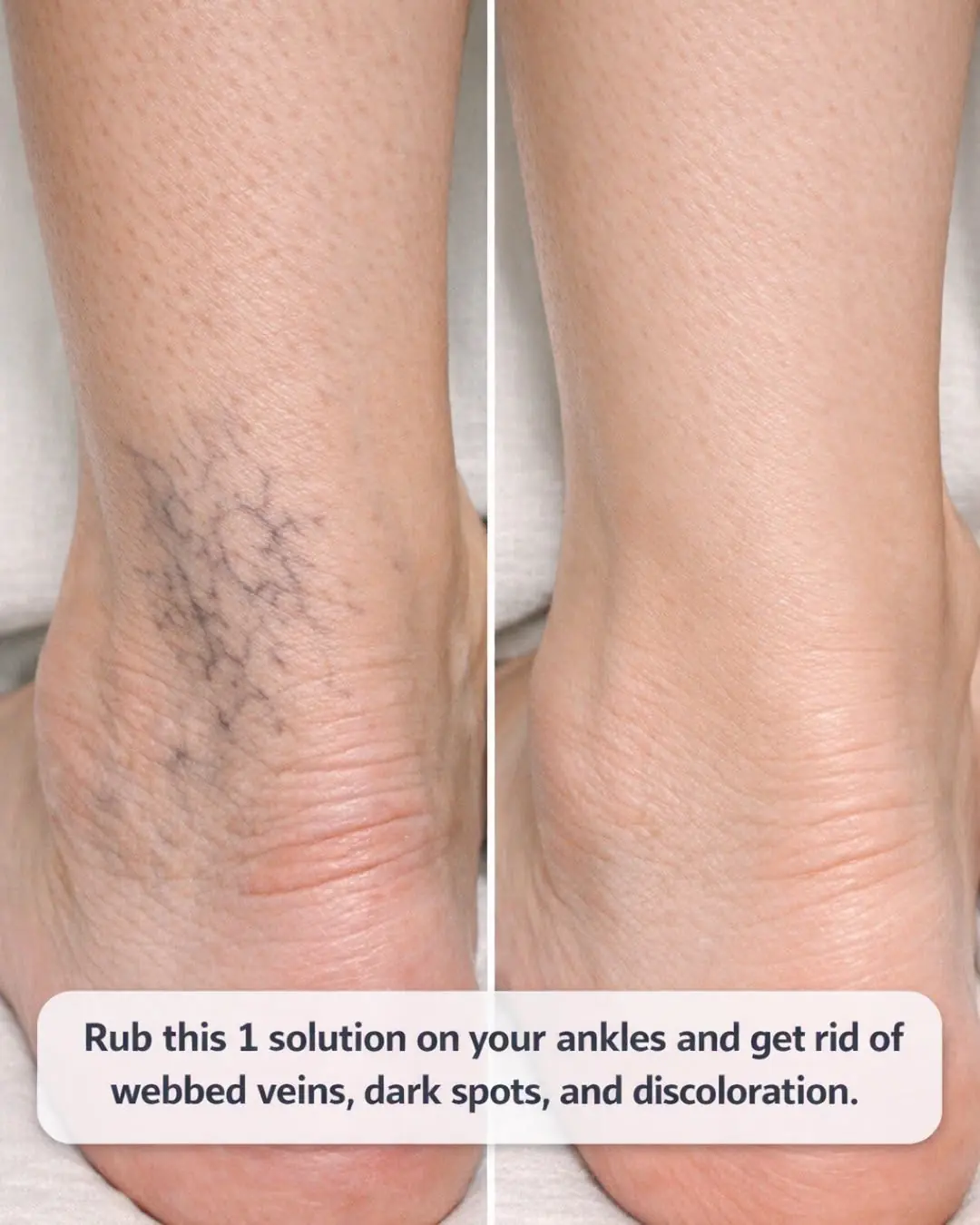
Rub this 1 solution on your ankles and get rid of webbed veins, dark spots, and discoloration.
Tips 05/09/2026 14:38
I’ve had more than one late-night family text that starts with, “Can you look at this and tell me if it’s bad?” A cluster of branching red, blue, or purple lines around the ankles can look dramatic, especially when they seem to spread out like a web. The good news is that this description very often fits spider veins, which are common and usually not dangerous on their own. But when travel is involved, especially a flight the next day, it makes sense to slow down and sort out what is normal, what is uncomfortable but manageable, and what needs urgent attention.
In this article, I’ll walk through what spider veins usually look like, why ankles are such a common spot, when flying is still okay, and which symptoms should make your mom call a doctor or seek urgent care instead of just buying compression socks and heading to the airport. I’m not a substitute for a clinician, of course, but I can help you think through the situation in a practical way, the same way I would if my own mom sent me a photo between dinner cleanup and packing for a work trip.
1. What spider veins usually look like
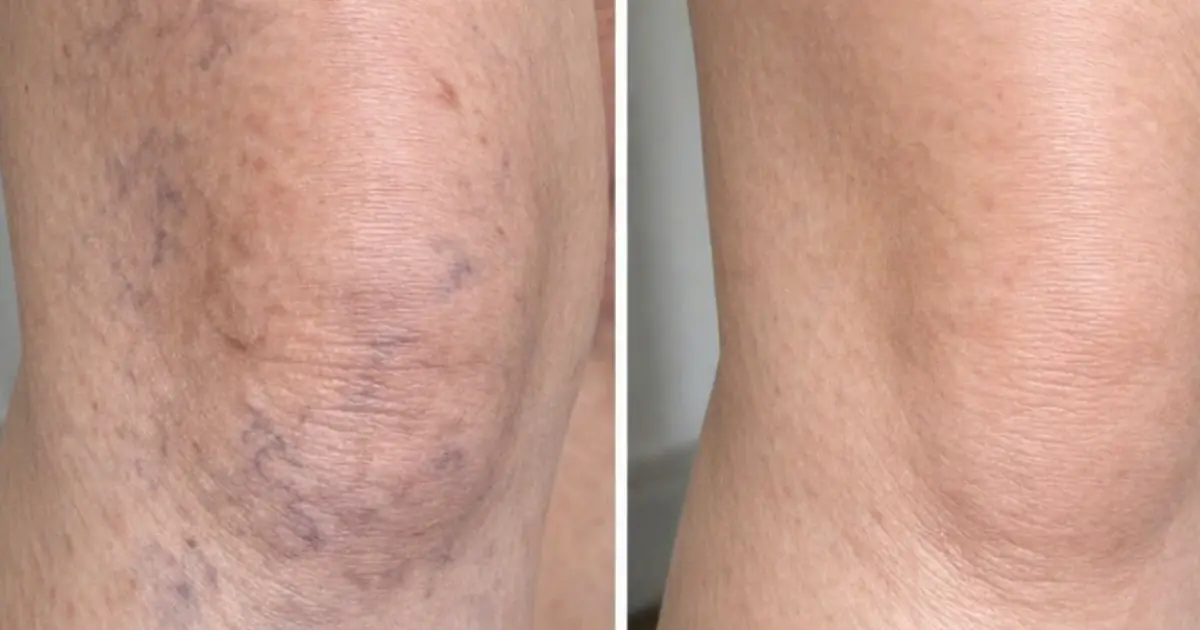
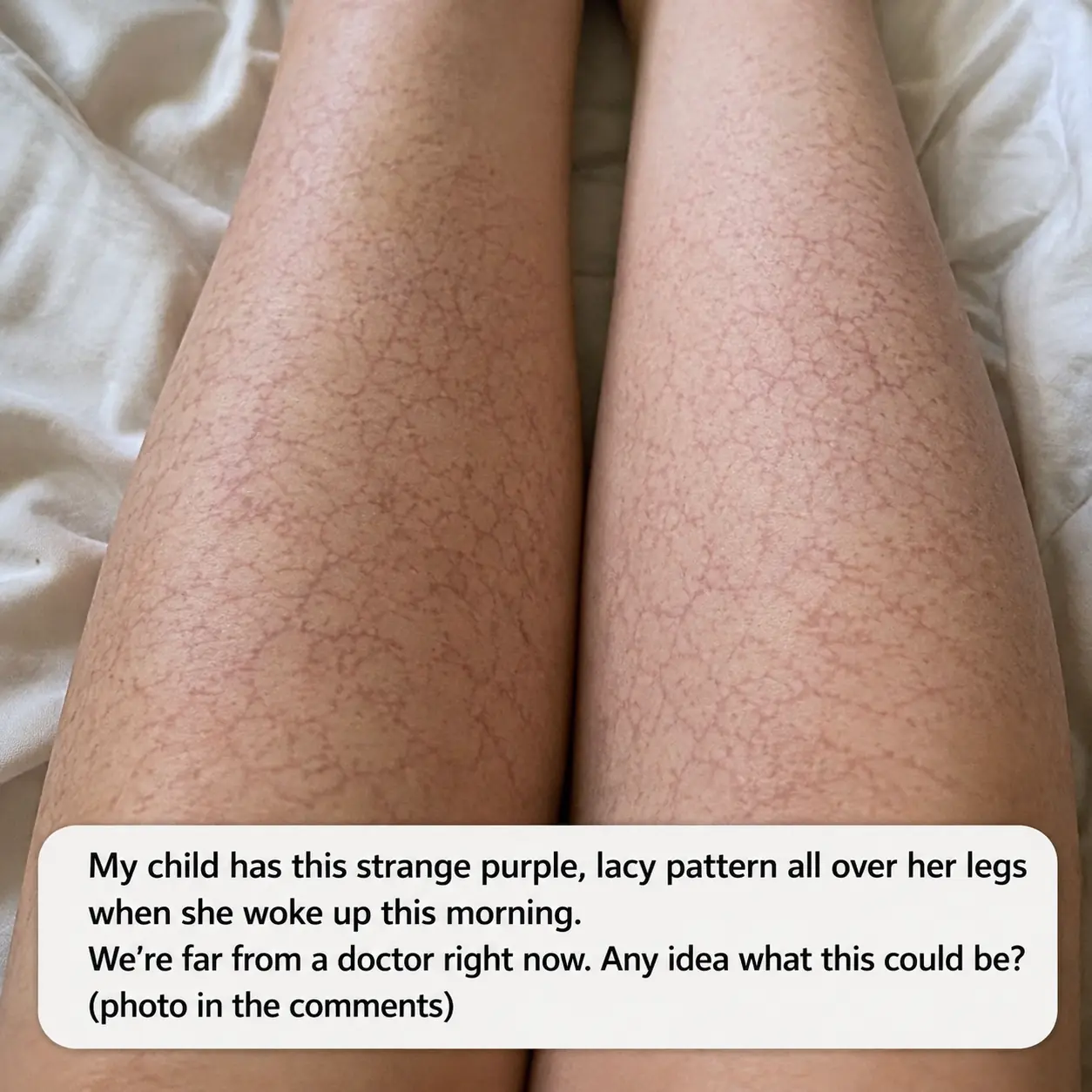
Spider veins are tiny visible blood vessels near the surface of the skin. They often appear as thin red, purple, or blue lines that branch outward like a spider web, tree branches, or a little burst of lightning. They’re usually flat, not raised, and commonly show up on the ankles, calves, behind the knees, or thighs.
Around the ankles, they can look especially noticeable because the skin is thinner there and the blood tends to pool more from gravity. A patch may be as small as 1 to 2 centimeters across or spread over an area 5 to 10 centimeters wide. They may gradually increase over months or years rather than suddenly appear overnight.
2. Why the ankles are such a common place for them
The ankles are basically working against gravity all day. Blood in the leg veins has to travel upward toward the heart, and tiny one-way valves inside the veins help move it along. Over time, those valves can weaken a bit, and pressure builds up in the smaller surface veins.
That’s one reason people who stand a lot, sit for long stretches, have had pregnancies, or have a family history of vein issues tend to notice these around the lower legs and ankles first. My own mom spent years on her feet for work, and her ankle veins became much more obvious in her 50s than they were a decade earlier.
3. Are spider veins serious by themselves?
Most of the time, no. Spider veins are usually more of a cosmetic issue than a dangerous one. Some people also get mild symptoms like aching, heaviness, burning, itching, or a tired feeling in the legs by the end of the day, especially after standing for 4 to 8 hours.
On their own, they do not usually mean there is a blood clot. They also do not automatically mean she should cancel a flight. If the veins are long-standing, both ankles look fairly similar, and there is no major swelling, heat, or severe pain, this is generally less alarming.
4. What makes this different from varicose veins
Spider veins are smaller than varicose veins. Varicose veins are larger, often bulging, twisted, and rope-like. They may stand out above the skin and can be several millimeters wide. Spider veins are much finer and flatter, often less than 1 millimeter across.
That distinction matters because larger varicose veins are more likely to cause aching, swelling, skin changes, and long-term vein problems. Spider veins can exist by themselves, but they can also show up alongside deeper vein weakness. If your mom has both web-like veins at the ankles and large bulging veins up the calves, it’s worth mentioning both to her doctor.
5. Signs that suggest it is probably okay to fly tomorrow
If the web-like lines have been there for a while, are not suddenly painful, and both ankles look roughly similar, she can often fly with some simple precautions. Mild ankle puffiness at the end of the day that improves overnight can also happen with ordinary venous pooling and does not automatically mean an emergency.
It’s even more reassuring if she can walk normally, has no shortness of breath, no chest pain, no one-sided calf swelling, and no tender hard cord-like vein. In that situation, the main travel goal is usually comfort and circulation: move regularly, hydrate, and avoid staying folded into one position for the whole flight.
6. Red flags that should not be ignored before a flight
This is the part I would pay the closest attention to. A person should get urgent medical advice before flying if one leg is suddenly much more swollen than the other, especially if the difference is obvious at the ankle or calf. Other concerning signs include new warmth, significant tenderness, a firm painful area, rapidly increasing swelling, skin turning dusky, or severe pain with walking.
Even more urgent: chest pain, shortness of breath, coughing up blood, fainting, or feeling suddenly winded just walking across the room. Those are not “watch and wait” symptoms. They raise concern for a possible blood clot or other serious problem and need prompt evaluation.
7. How to think about blood clot risk
Spider veins themselves are not the same thing as a deep vein clot. A deep vein thrombosis, or DVT, usually involves a larger vein deeper in the leg and often causes one-sided symptoms: swelling, pain, tightness, warmth, and sometimes redness. Not everyone gets all of those symptoms, but it usually looks different from a stable pattern of fine surface veins on both ankles.
Risk goes up if your mom recently had surgery in the past 4 to 12 weeks, a recent hospital stay, a broken bone, active cancer treatment, estrogen therapy, pregnancy or recent postpartum status, prior blood clot, or prolonged immobility. A long flight adds a little risk too, especially flights over 4 hours, but the combination of risk factors matters more than the spider veins alone.
8. What she can do tonight if she plans to fly
If she has no warning signs, tonight can be about reducing swelling and making the trip easier. Elevating the legs for 20 to 30 minutes above heart level can help. Even lying on a couch with calves propped on 2 firm pillows is better than nothing. A short walk, even 10 to 15 minutes around the neighborhood or inside a store, can also help the calf muscles push blood upward.
She should avoid spending the evening sitting for hours with feet down if her ankles are already feeling full or achy. If she has compression socks already and they fit properly, this is a reasonable time to wear them for a few hours and see whether they feel comfortable before the travel day.
9. The best flight-day precautions for spider veins and ankle swelling
For air travel, graduated compression socks are often the most practical step. Many people do well with knee-high compression in the 15 to 20 mmHg range for mild symptoms. If she’s been specifically told by a clinician to use stronger compression, she should follow that advice, but many first-time users start with the lighter range because it’s easier to put on and tolerate.
On the plane, I’d aim for ankle circles, heel raises, and foot pumps every 30 to 60 minutes while seated. If it’s safe to get up, walking the aisle for 2 to 3 minutes every 1 to 2 hours helps more than people realize. Choosing an aisle seat can make this much easier. Hydration matters too: water beats back-to-back alcoholic drinks, which can leave some people more dehydrated and puffy.
10. What not to do before or during the flight
I would skip anything that sounds like a quick fix but does not actually improve circulation. Massaging a leg that is acutely swollen, hot, and painful is not a good idea if a clot is even remotely a concern. Tight socks that dig in at the ankle are also not helpful; they can create a tourniquet effect rather than gentle graduated compression.
She should also avoid sitting cross-legged for the whole flight and wearing very tight bands around the calves or ankles. And if she suddenly develops worrisome symptoms in the airport or on the plane, this is not the moment to be stoic and “just get through it.” Airline staff are used to helping people get medical attention when needed.
11. Other symptoms spider veins can cause, even when they are not dangerous
Spider veins can come with a surprisingly annoying set of mild symptoms. Some people feel heaviness by late afternoon, throbbing after standing at the kitchen counter for an hour, or itching around the visible veins. The ankles may also feel tighter in warm weather or after a salty restaurant meal.
That pattern is familiar in my house because summer heat seems to make every circulation complaint more noticeable. Heat widens blood vessels, so visible veins can look darker and broader after a hot shower, a long day outside, or even just an afternoon of errands in sandals.
12. When she should make a regular doctor’s appointment after the trip
Even if she is safe to fly tomorrow, it may still be worth booking a non-urgent visit if these veins are new, spreading quickly over a few months, causing pain, or coming with leg swelling that happens most days. A primary care clinician or a vein specialist can check for signs of chronic venous insufficiency and decide whether an ultrasound is needed.
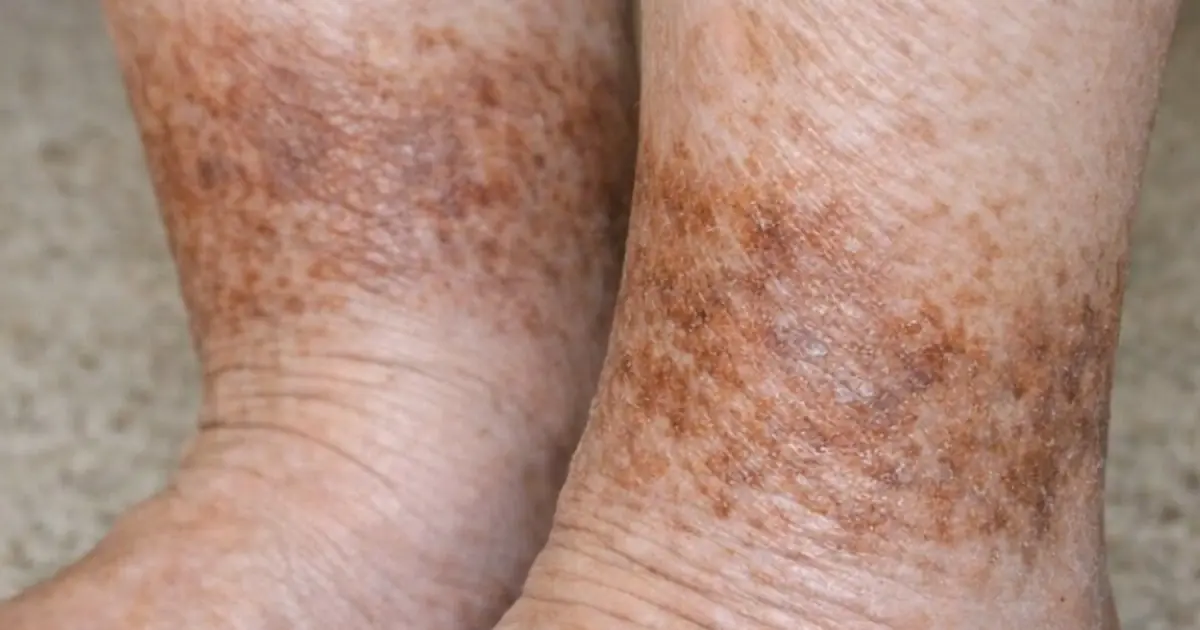
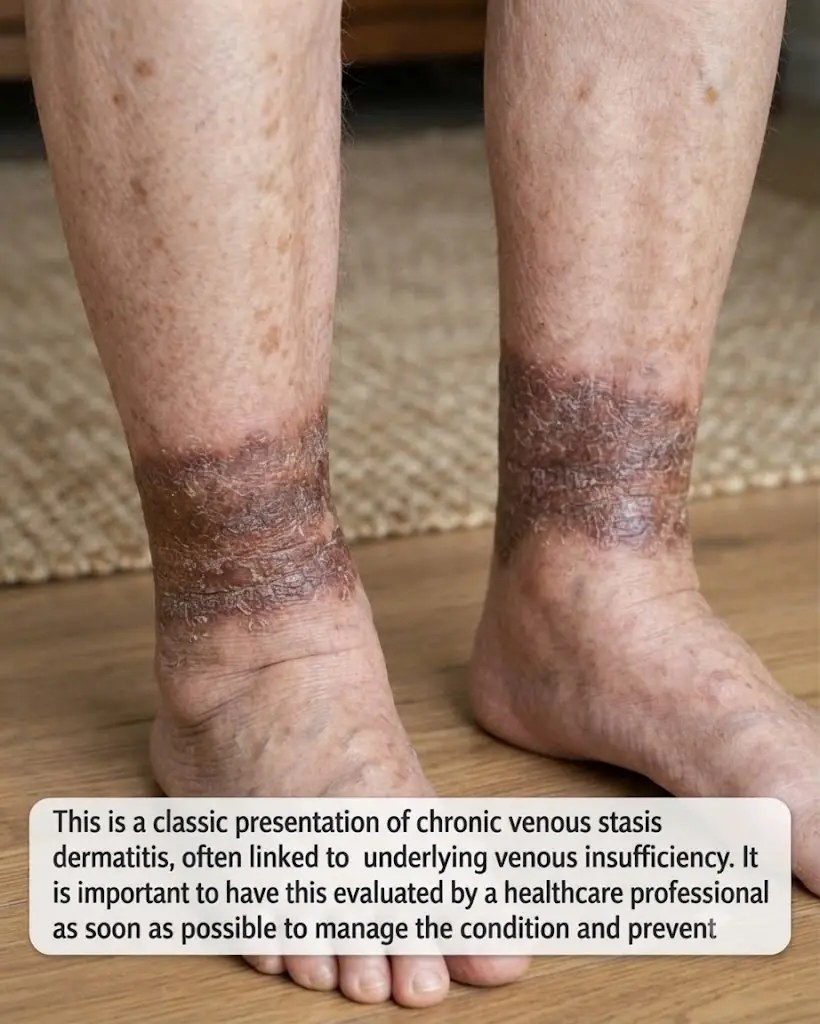
That evaluation is especially helpful if she also has nighttime leg aching, brownish skin discoloration near the ankles, dry itchy skin over the lower legs, or a history of varicose veins. These clues can point to more than just a cosmetic surface issue.
13. What treatment usually looks like if she wants to address them later
Treatment is often elective unless there are broader vein problems. Common options include compression, lifestyle measures, and office procedures such as sclerotherapy, where a solution is injected into the vein so it closes off over time. Sessions are often brief, sometimes around 15 to 45 minutes depending on how many veins are treated.
Some vein clinics also use laser treatment for smaller surface vessels. Costs vary a lot by region and whether treatment is considered cosmetic. In many places, cosmetic spider vein treatment may not be covered by insurance, while treatment tied to documented venous disease sometimes is. That’s one of those practical details I always tell people to check before getting emotionally attached to a treatment plan.
14. Everyday habits that can keep them from getting worse
She can’t change genetics, but she can lower the day-to-day pressure on the leg veins. Walking 20 to 30 minutes most days helps because the calf muscles act like a pump. If she works at a desk, standing up every hour matters more than people think. If she stands all day, brief sitting breaks and calf raises can help.
Weight management, supportive shoes, avoiding prolonged immobility, and elevating the legs after a long day can all reduce symptoms. None of these erase existing veins overnight, but they can help with the aching and swelling that often bother people more than the appearance itself.
15. A practical bottom line for tonight
If your mom’s ankle veins are thin, branching, red-purple, and have been developing gradually without major pain or one-sided swelling, spider veins are a very plausible explanation and are usually not serious. In that case, tomorrow’s flight is often still reasonable with compression socks, hydration, and regular movement.
But if this is new and sudden, if one leg is clearly more swollen than the other, if the area is hot and painful, or if she has shortness of breath or chest pain, she should not brush it off as “just veins.” That is the point where I’d tell my own mom to call a medical professional right away, even if it means changing travel plans.