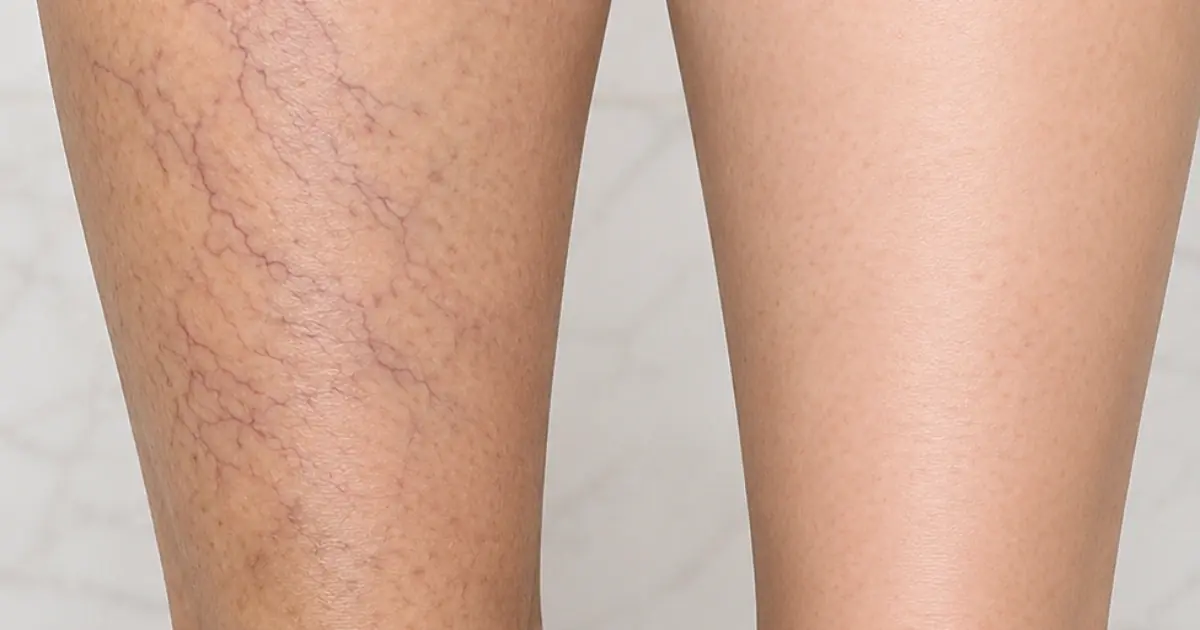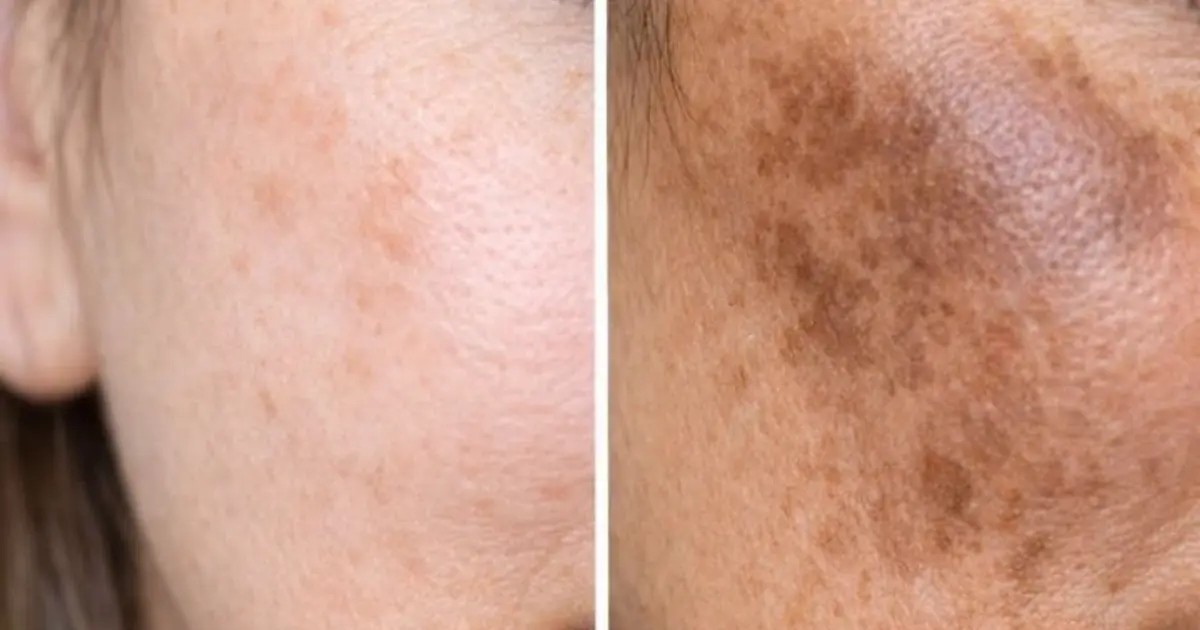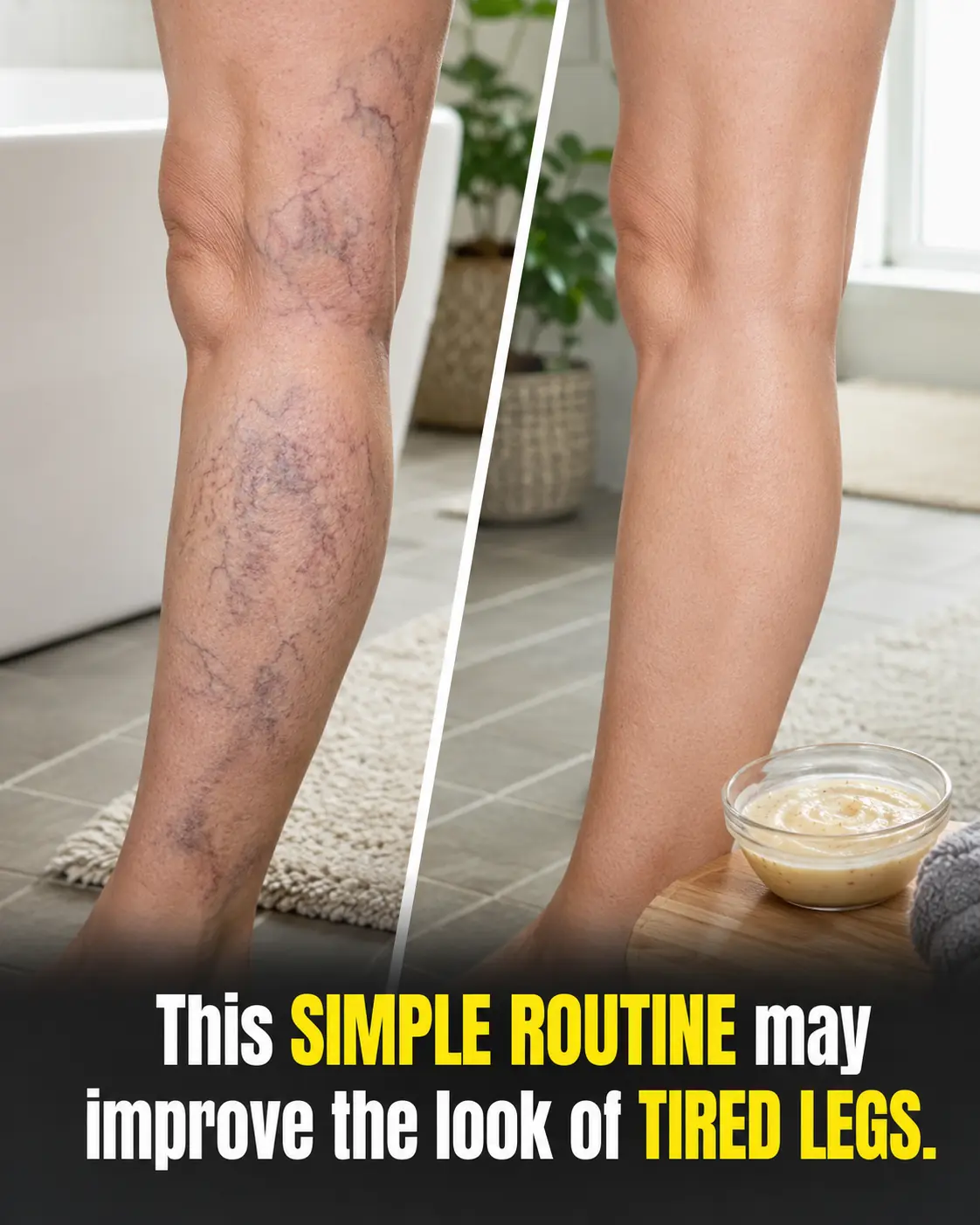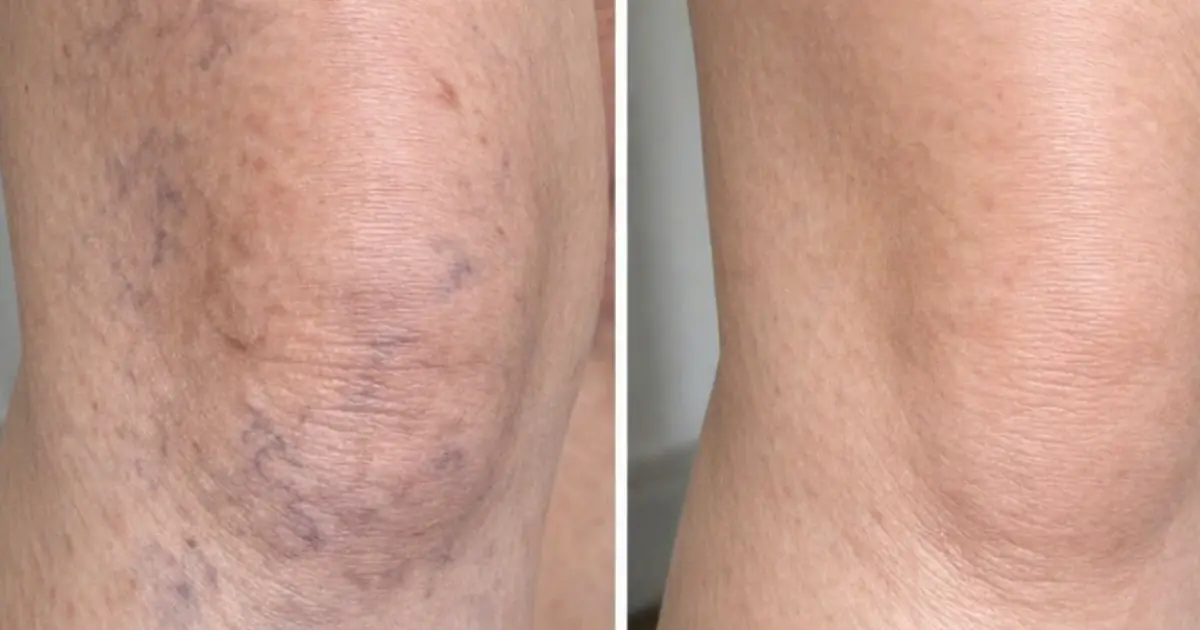
Rub this 1 solution on your legs and get rid of veiny patches, purple spots, uneven tone
Tips 04/09/2026 11:23
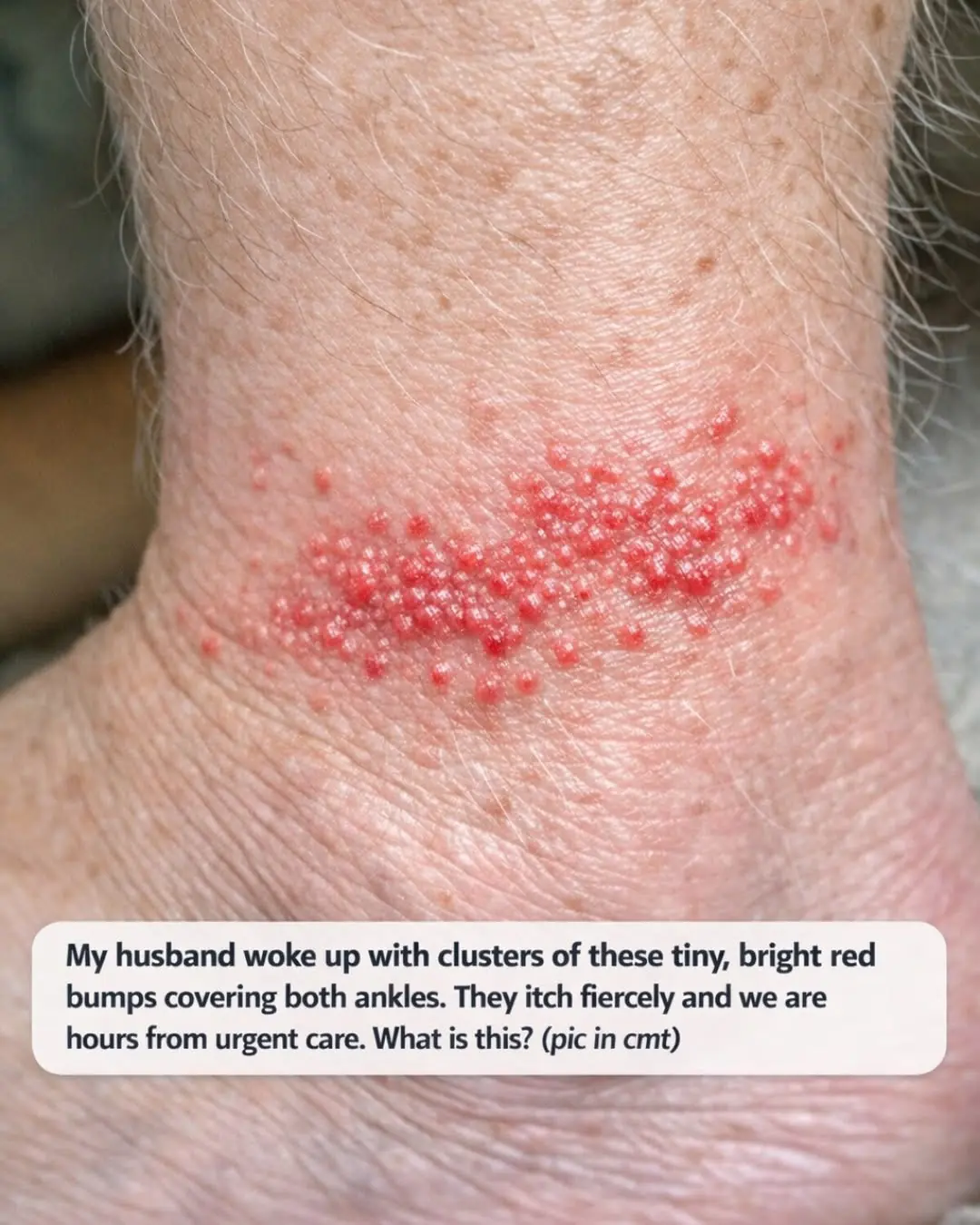
When you live a good distance from town, questions like this can turn a quiet morning into a hard one in a hurry. I’ve had enough years in a country kitchen and enough family phone calls before sunrise to know that a hot, red, swollen patch on the lower leg is not something to wave off with “let’s just watch it a while” if it seems to be spreading. One of the common worries with a skin area like that is cellulitis, which is a bacterial infection in the deeper layers of the skin and soft tissue. It can start from something as humble as a cracked heel, a bug bite, a scrape on the shin, or a spot between the toes.
If your husband woke up with a red patch that feels warm or hot, looks puffy, is enlarging over hours, or is paired with fever, chills, increasing pain, or red streaks, I would treat that as potentially serious. In this piece, I’ll walk you through what cellulitis often looks like, what makes it more urgent, what you can safely do right now while you are far from care, and when you should stop waiting on the nurse line and seek emergency help instead.
1. What cellulitis usually looks and feels like
Cellulitis often shows up as an area of skin that is red, warm, tender, and swollen. On a lower leg, it may begin as a patch the size of a silver dollar or a whole hand and then spread outward over several hours. The borders may be clear or somewhat blurry. The skin can look tight or shiny, and the person may say it aches, burns, throbs, or feels sore when walking.
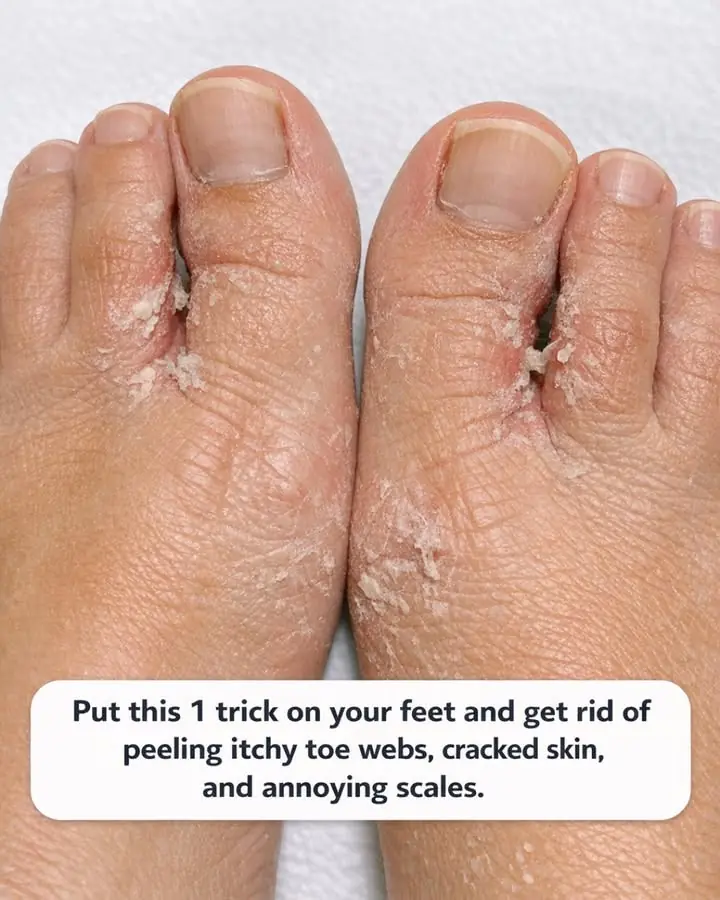
Unlike a simple bruise, cellulitis usually feels warmer than the nearby skin. If you place the back of your hand on both lower legs, one side may feel noticeably hotter. Swelling can make a sock line look deeper or one pant leg feel tighter. Sometimes there is a small cut, cracked skin, athlete’s foot between the toes, an insect bite, or a recent scrape nearby that gave bacteria a way in.
2. Why a spreading patch matters
The word “spreading” is what gets my attention. A stable pink patch from irritation can be uncomfortable but may stay put. Cellulitis often enlarges. If the redness has moved beyond where it was 2 to 6 hours ago, that suggests an active process rather than a simple skin irritation.
One practical country trick is to gently outline the edge of the redness with a pen and write the time next to it, such as “8:15 a.m.” If 1 to 3 hours later the redness has gone beyond that line, that is useful information for a clinician and a sign the problem may be progressing. Do not press hard or break the skin; just mark the edge lightly.
3. Common causes on the lower leg
Lower legs are a very common spot for cellulitis. Bacteria, most often streptococcal species or Staphylococcus aureus, can enter through tiny breaks in the skin that a person may not even notice. In farm country and yard work season, I’ve seen trouble start after a scratch from brush, a cracked heel, dry winter skin, a blister from boots, or a little nick from bumping a trailer hitch.
Fungal rash between the toes can also open the door. So can swelling from poor circulation or lymphedema, because stretched skin is easier to injure and slower to defend itself. Diabetes, recent leg surgery, chronic leg swelling, immune suppression, and past episodes of cellulitis all raise the risk.
4. Signs that make this more urgent today
Some symptoms push this out of the “call when you can” category and into “seek urgent assessment now.” Those include fever of 100.4°F (38°C) or higher, shaking chills, fast heart rate, confusion, unusual sleepiness, vomiting, severe pain, rapidly increasing swelling, or redness that is marching outward over just a few hours.
Red streaks moving up the leg, swollen groin nodes, or skin turning dusky purple are also concerning. If he cannot bear weight well, feels weak all over, or looks ill rather than merely uncomfortable, that raises the stakes. If he has diabetes and cannot feel his feet well, don’t let that fool you into thinking it is mild; numbness can hide how severe a leg infection is.
5. Situations where you should call 911 or go to the emergency department without waiting
Please do not sit home watching this if he has trouble breathing, faints, becomes hard to wake, acts confused, has chest pain, or looks severely ill. Those are emergency symptoms. The same goes for a fever with shaking chills plus rapidly spreading redness, or if the area becomes intensely painful out of proportion to how it looks.
Emergency evaluation is also important if the redness involves the face or eye area, if he is on chemotherapy, has had an organ transplant, takes high-dose steroids, is severely immunocompromised, or if the leg shows blackened areas, blisters, or very fast progression. Those are not “wait until Monday” problems.
6. What you can safely do at home right now while arranging care
Have him rest and elevate the leg so the calf is above heart level if possible. A couple of pillows on a couch or bed can help. Elevation can reduce swelling and discomfort. Encourage fluids unless a doctor has told him to limit them for heart failure or kidney disease. Dehydration makes a sick person feel worse.
You can use a clean, cool—not ice-cold—cloth on the area for 10 to 15 minutes at a time if it feels soothing. Keep the skin clean and dry. If there is a small cut, wash it gently with soap and water and pat it dry. A plain bandage is fine over an open scrape, but do not smear on thick home remedies, essential oils, or peroxide over and over. Those often irritate skin more than they help.
7. How to track whether it is getting worse
Besides tracing the border of the redness, write down the time, his temperature, and any symptoms every 2 to 4 hours. For example: “9:00 a.m., temp 99.8°F, pain 4 out of 10, redness 5 inches by 4 inches.” Then check again. Concrete notes matter when you finally reach a nurse or doctor.
If you have a tape measure, measure the widest part of the redness in inches or centimeters. Also compare calf size if one leg looks much larger than the other. If the red area grows from, say, 4 inches across to 7 inches across by afternoon, that tells a real story. If swelling climbs from the ankle toward the knee, that is also important to report.
8. What not to do
Do not ignore a hot swollen red leg simply because there is no fever yet. Fever can come later, and some adults, especially older ones, do not mount much of a fever at all. Do not soak the leg in a hot bath, use a heating pad, or massage the area. Heat and rubbing can make swelling and pain worse.
Do not lance, squeeze, or poke at the skin. If there is a boil or abscess, that needs proper evaluation. And do not start leftover antibiotics from a medicine cabinet unless a clinician specifically tells you to. The wrong antibiotic, the wrong dose, or too few pills can muddy the picture and may not treat the bacteria causing the problem.
9. How cellulitis is usually treated
Most uncomplicated cellulitis is treated with prescription antibiotics. If the person is stable, able to swallow, and not severely ill, treatment is often by mouth for about 5 to 10 days, though some cases need longer. If the infection is more serious, if the person is vomiting, or if there are signs of deeper infection or sepsis, IV antibiotics may be needed.
A clinician may also look for the entry point: cracked skin, toe-web fungus, ulcer, splinter, or bite. If there is pus or a pocket of infection, an abscess may need drainage, because antibiotics alone do not always fix a walled-off collection. Improvement should usually begin within 24 to 48 hours after the right treatment starts, though the redness can look angry for a bit before it slowly settles down.
10. Important look-alikes that can fool people
Not every red leg is cellulitis. A blood clot in a deep vein, called a DVT, can also cause swelling, pain, warmth, and redness, especially in one calf. That is another condition that needs prompt medical attention because of the risk of a clot traveling to the lungs. A DVT often causes more swelling than surface redness, but you cannot safely sort that out at home with confidence.
Other look-alikes include a bad allergic reaction to a bite, contact dermatitis from plants or chemicals, gout near the ankle, shingles, superficial thrombophlebitis, or stasis dermatitis from chronic vein disease. I mention these not to muddy the waters, but to underscore the point: a new, spreading, hot, swollen patch on one lower leg needs assessment, not guesswork.
11. Who is at higher risk for complications
I get extra cautious when the person has diabetes, poor circulation, chronic swelling, obesity, kidney disease, liver disease, or an immune system that is weakened by illness or medicines. Older adults can also get sicker faster and may show subtler warning signs, such as weakness, confusion, or loss of appetite rather than a high fever.
If he has had cellulitis before in the same leg, that can mean the lymph drainage there is already a bit compromised, making repeat infections easier to start and slower to calm down. A history like that lowers my threshold for urgent care even further.
12. Pain and fever relief while waiting
If he normally can take acetaminophen, that is often a reasonable choice for discomfort or fever while you arrange care. Follow the package directions carefully and account for any cold or flu medicine that may already contain acetaminophen. If he has liver disease, drinks heavily, or has been told not to take it, skip it unless a clinician advises otherwise.
Ibuprofen or naproxen may help some people, but they are not right for everyone, especially those with kidney disease, stomach ulcers, certain blood thinners, or dehydration. If you are unsure, it is safer not to experiment. Comfort matters, but getting proper medical assessment matters more.
13. If urgent care is hours away, make a transport plan now
When you are rural, logistics are part of medicine whether we like it or not. If the redness is actively spreading, if he has fever or chills, or if he feels sick all over, I would not wait indefinitely for a nurse line callback. Start making a plan: who can drive, how long to the nearest emergency department, what weather and road conditions are doing, and what medications and health information to bring.
Bring a list of his medicines, allergies, major medical conditions, and the time the redness started. Take clear photos every few hours in good light, ideally with the same distance and angle and perhaps a coin or ruler nearby for size reference. Those pictures can be very helpful if the appearance changes during travel.
14. Questions a clinician will likely ask
Be ready to answer when it started, whether it is spreading, whether there was a cut or bite, whether he has fever, and how much it hurts on a 0-to-10 scale. They may ask if he has athlete’s foot, recent surgery, recent long travel, prior blood clots, diabetes, or past cellulitis. They will also want to know if the skin is numb, blistered, draining, or streaking upward.
If you can say, “At 7 a.m. it was about 3 inches wide, by noon it was 5 inches, temp went from 99.1°F to 100.7°F, and he now has chills,” that paints a much clearer picture than “it seems worse.” Clear details can speed the decision-making.
15. My plain answer to your question
Yes, this can be serious. A spreading, hot, red, swollen patch on the lower leg is very consistent with possible cellulitis, and cellulitis can worsen quickly and sometimes lead to bloodstream infection or deeper tissue infection if not treated. Because you are hours from urgent care and the nurse line is busy, I would not rely on waiting alone if the area is enlarging, painful, or accompanied by fever, chills, or overall illness.
If he has any red-flag symptoms—fever, chills, rapid spread, severe pain, red streaking, weakness, confusion, vomiting, or a generally ill appearance—go for urgent in-person evaluation today, and choose the emergency department if needed. While you’re getting ready, elevate the leg, mark the border, take his temperature, and gather his medication list. Out here, we learn to be practical. This is one of those times when practical means taking it seriously and getting help as soon as you can.
WE does not give medical advice, diagnosis, or treatment.