
Health 19/02/2026 16:19
🌿 What Rosemary Can Actually Do
Rosemary (Rosmarinus officinalis) is more than a fragrant kitchen herb. For centuries, it has been used in traditional medicine for pain relief, digestion, and mental clarity. Modern research supports some of these traditional uses — though it’s important to separate evidence-based benefits from exaggerated claims.
Here’s what rosemary may truly offer, how to use it safely at home, and who should avoid it.
🌿 What Rosemary Can Actually Do


4
1️⃣ Anti-Inflammatory & Pain Relief Support
Rosemary contains active compounds such as rosmarinic acid and carnosic acid, which may help inhibit inflammatory pathways in the body. By reducing inflammation, rosemary may ease:
-
Mild muscle soreness
-
Joint stiffness
-
Arthritis-related discomfort
A small 2015 study found that rosemary essential oil was comparable to acetaminophen for post-operative dental pain. However, this was a limited study, and larger clinical trials are needed before firm conclusions can be made.
Important: Rosemary may support mild pain relief — it is not a substitute for prescribed pain medication.
2️⃣ Cognitive & Memory Support
Rosemary has long been associated with memory enhancement. In fact, in ancient Greece, students reportedly wore rosemary garlands while studying.
Modern research suggests that simply inhaling rosemary essential oil may improve:
-
Concentration
-
Short-term memory
-
Mental clarity
-
Alertness
One theory is that compounds like 1,8-cineole influence neurotransmitter activity in the brain. Aromatherapy studies show measurable improvements in certain cognitive tasks after exposure to rosemary scent.
3️⃣ Antioxidant Protection
Rosemary is rich in antioxidants, which help combat oxidative stress — a process linked to:
-
Aging
-
Chronic inflammation
-
Cardiovascular disease
-
Neurodegenerative conditions
While culinary amounts contribute modestly, regular dietary use may support overall cellular health.
4️⃣ Digestive Support
Traditionally, rosemary has been used to:
-
Relieve bloating
-
Reduce gas
-
Stimulate digestion
-
Support bile production
Its mild carminative (gas-reducing) properties may help soothe occasional indigestion when consumed as tea or in food.
✨ How to Harness Rosemary at Home (Safely)
Below are practical ways to incorporate rosemary into your wellness routine:
| Method | How-To & Purpose | Key Safety Note |
|---|---|---|
| Aromatherapy | Add 2–3 drops of rosemary essential oil to a diffuser. Ideal for boosting focus, memory, and mental clarity. | Do NOT ingest essential oils. Use in a well-ventilated room. |
| Topical Pain Relief | Dilute 3–5 drops in 1 tablespoon of carrier oil (coconut, jojoba, almond oil). Massage onto sore muscles or joints. | Always patch test first. Never apply undiluted oil directly to skin. |
| Culinary Use | Add fresh or dried rosemary to roasted vegetables, meats, soups, bread, or olive oil infusions. | Culinary amounts are generally safe for most adults. |
| Herbal Tea | Steep 1 teaspoon dried rosemary (or small fresh sprig) in hot water for 5–10 minutes. Strain before drinking. | Limit to 1–2 cups daily. Avoid high amounts during pregnancy. |
⚠️ Important Cautions: Who Should Avoid Rosemary?
Rosemary is natural — but that doesn’t mean it’s risk-free.
🚫 Epilepsy & Seizure Disorders
Rosemary, especially essential oil, may lower seizure threshold and is generally contraindicated.
🚫 Uncontrolled High Blood Pressure
Large or concentrated doses may raise blood pressure in sensitive individuals.
🚫 Pregnancy & Breastfeeding
Avoid therapeutic doses, essential oils, or supplements. Culinary use in food is typically safe, but consult your doctor.
🚫 Medication Interactions
Rosemary may interact with:
-
Anticoagulants (e.g., warfarin)
-
ACE inhibitors
-
Diuretics
-
Lithium
Always consult a healthcare provider if you take prescription medications.
❗ Essential Oil Safety
Essential oils are highly concentrated plant extracts.
-
Never ingest rosemary essential oil.
-
Undiluted topical use can cause skin burns or allergic reactions.
-
Accidental ingestion may cause vomiting, kidney irritation, or seizures.
Use only diluted and externally unless under professional supervision.
💡 Final Thoughts: A Supportive Herb — Not a Replacement
Rosemary is a versatile and beneficial herb with genuine anti-inflammatory, antioxidant, and cognitive-support properties. Used properly — through aroma, culinary use, or diluted topical application — it can be a valuable addition to a healthy lifestyle.
However, it is not “natural morphine.”
It should never replace prescribed medication for severe or chronic pain.
For ongoing health conditions, work with a qualified healthcare professional to create a safe and comprehensive treatment plan.
If you'd like, I can also provide a deeper breakdown of the specific clinical studies behind rosemary’s cognitive or anti-inflammatory effects.
News in the same category

10 Warning Signs It’s Time to Cut Back on Caffeine

What Does an Itchy Left Hand Mean
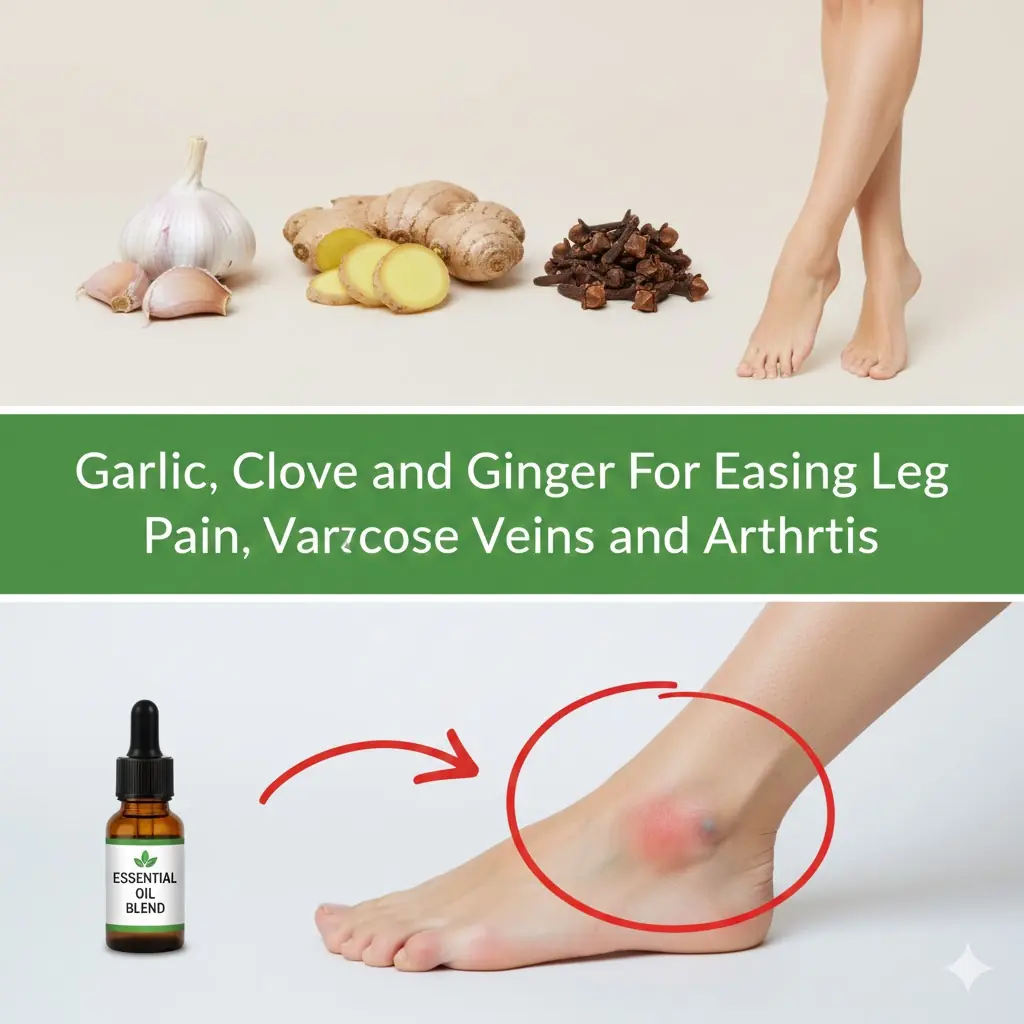
It's a pain killer, helps relieve leg pain, varicose veins, rheumatism, and arthritis...👇

4 Fruits You Should Eat in Moderation After 60 — And How to Enjoy Them Without Losing Muscle
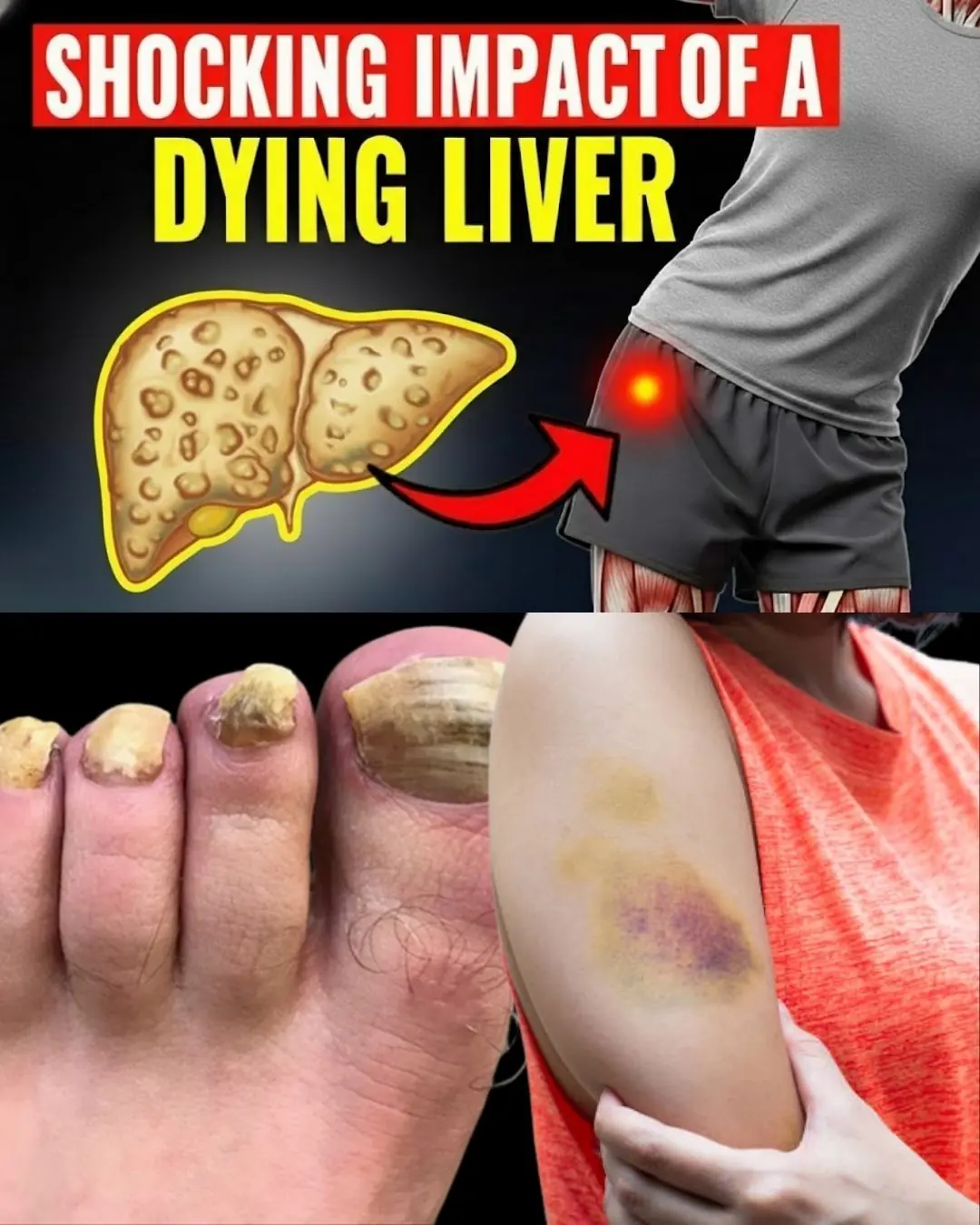
15 Strange Early Signs of Liver Failure That Even Doctors Often Miss

Why Your Cat Chooses to Sleep With You
10 Conditions Ginger Can Help Manage Naturally

What To Know About Chronic Kidney Failure

Harvard Doctor Reveals Foods You Should Avoid to Prevent Inflammation

Silent Cancer Signs: 3 Persistent Pains Your Body Uses as Early Warnings

Natural Remedies for Prostate Health: How to Protect Yourself from Prostate Cancer

It Looks Like I Had a Cosmetic Procedure”: The At-Home Remedy People Are Using to Improve the Appearance of Wrinkles and Dark Spots on Hands and Arms

The Best-Kept Secret of Natural Medicine Revealed! Goodbye Diabetes and High Blood Pressure

Say Goodbye to Clogged Arteries With These Powerful Foods (Better Than Aspirin!)
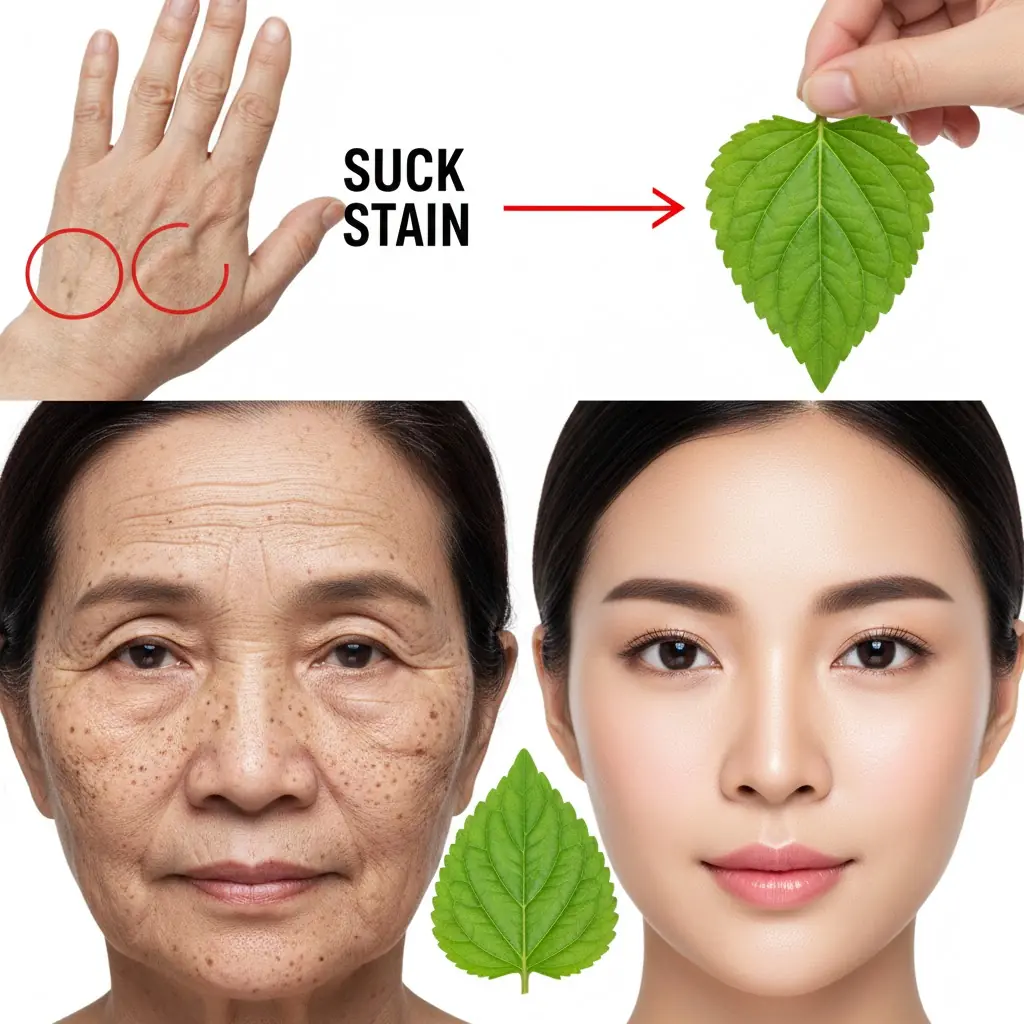
Old Wrinkles and Drooping Mouth? Not Anymore
The Hidden Power of Guava Leaves: Why More People Are Drinking This Tea Daily 🍃

Natural Remedy with Ginger, Onion, Garlic, Lemon, and Honey: A Homemade Recipe to Boost Immunity and Ease Colds and Coughs
News Post

Billionaire Fires Server at Daughter’s Funeral—Then Sees THIS
Life stories 19/02/2026 23:20

Early Symptoms of Ovarian Cancer
Health 19/02/2026 16:16
🩺 If Your Legs Feel Heavy, Cold, or Tingly—Here’s What It Means (And How to Improve Circulation Naturally)
Health 19/02/2026 16:13
10 Warning Signs It’s Time to Cut Back on Caffeine
Health 19/02/2026 16:10
🥦 3 Vegetables That Support Cancer Prevention — Backed by Science
Tips 19/02/2026 16:07
What Does an Itchy Left Hand Mean
Health 19/02/2026 16:04

Bouncer Destroys Veteran’s Medals—Then Learns What He Just Touched
Life stories 19/02/2026 14:16

The Empty Chair
Life stories 19/02/2026 12:26

The Powerful Benefits of Eating Lactuca serriola Leaves (Prickly Lettuce)
Garden Healthy 18/02/2026 22:56
The Desert Survivor That Preserves Cells, Fights Oxidation, and Commands Respect
Garden Healthy 18/02/2026 22:55

The Health Benefits and Uses of Broadleaf Plantain (Plantago major)
Garden Healthy 18/02/2026 22:53
White Clover (Trifolium repens): 15 Benefits and Homemade Uses
Garden Healthy 18/02/2026 22:52
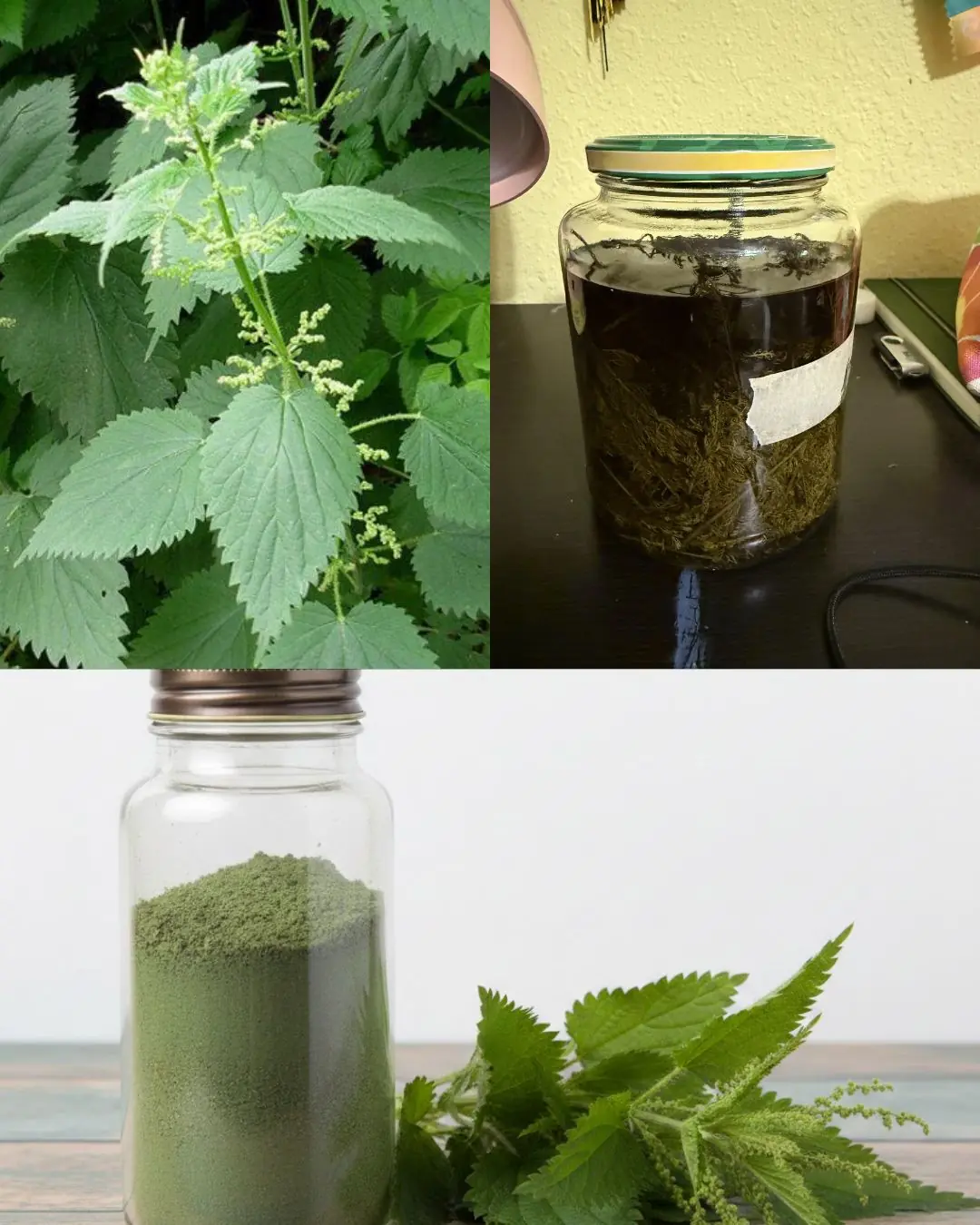
Stinging Nettle (Urtica dioica): The Hidden Power of Leaves and Seeds
Garden Healthy 18/02/2026 22:51
It's a pain killer, helps relieve leg pain, varicose veins, rheumatism, and arthritis...👇
Health 18/02/2026 22:04
4 Fruits You Should Eat in Moderation After 60 — And How to Enjoy Them Without Losing Muscle
Health 18/02/2026 22:01
15 Strange Early Signs of Liver Failure That Even Doctors Often Miss
Health 18/02/2026 21:46

The Real Power of Dandelion Is in the Root
Garden Healthy 18/02/2026 21:43

The Hidden Power of Puncture Vine Fruit (Tribulus terrestris)
Garden Healthy 18/02/2026 21:41
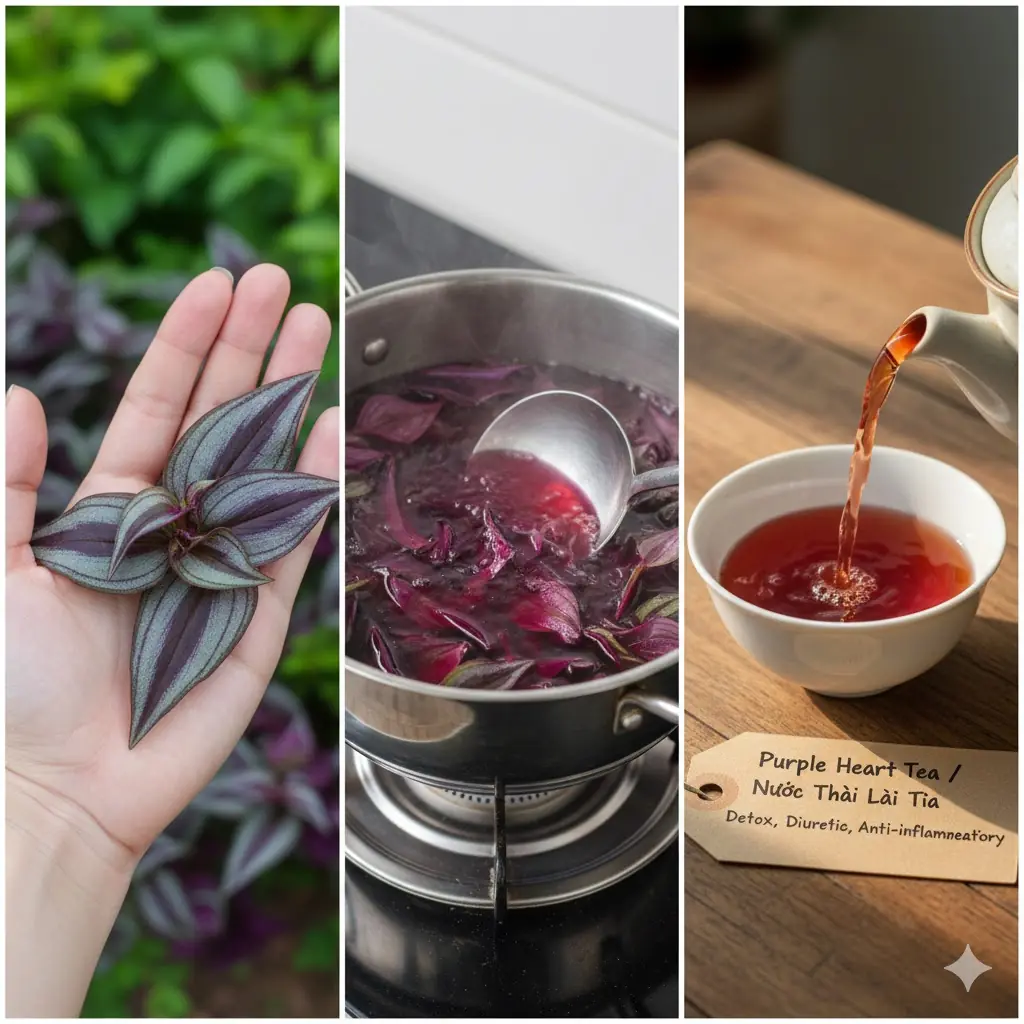
Tradescantia zebrina: The Colorful Healer Hidden in Plain Sight
Garden Healthy 18/02/2026 21:40