Remove Blackheads On Your Nose
Health 14/12/2025 21:34
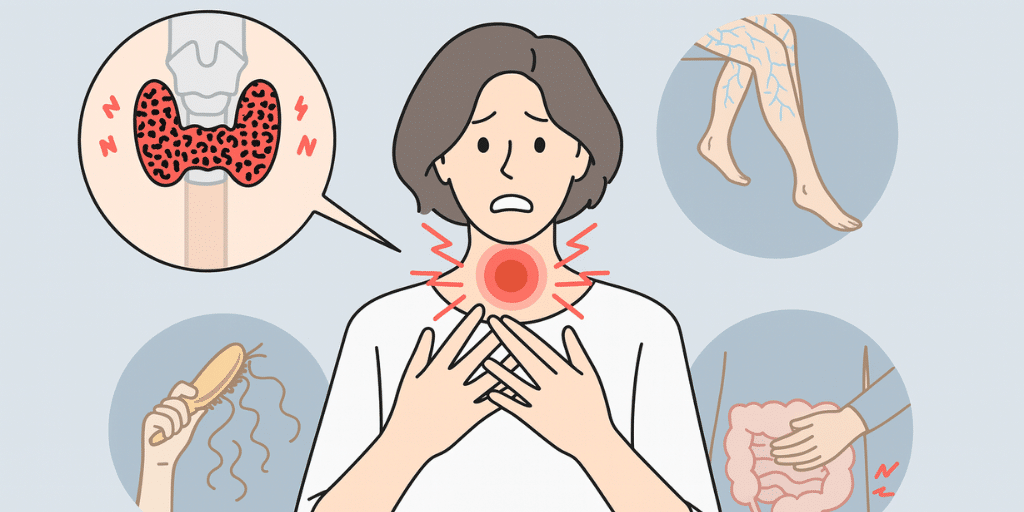
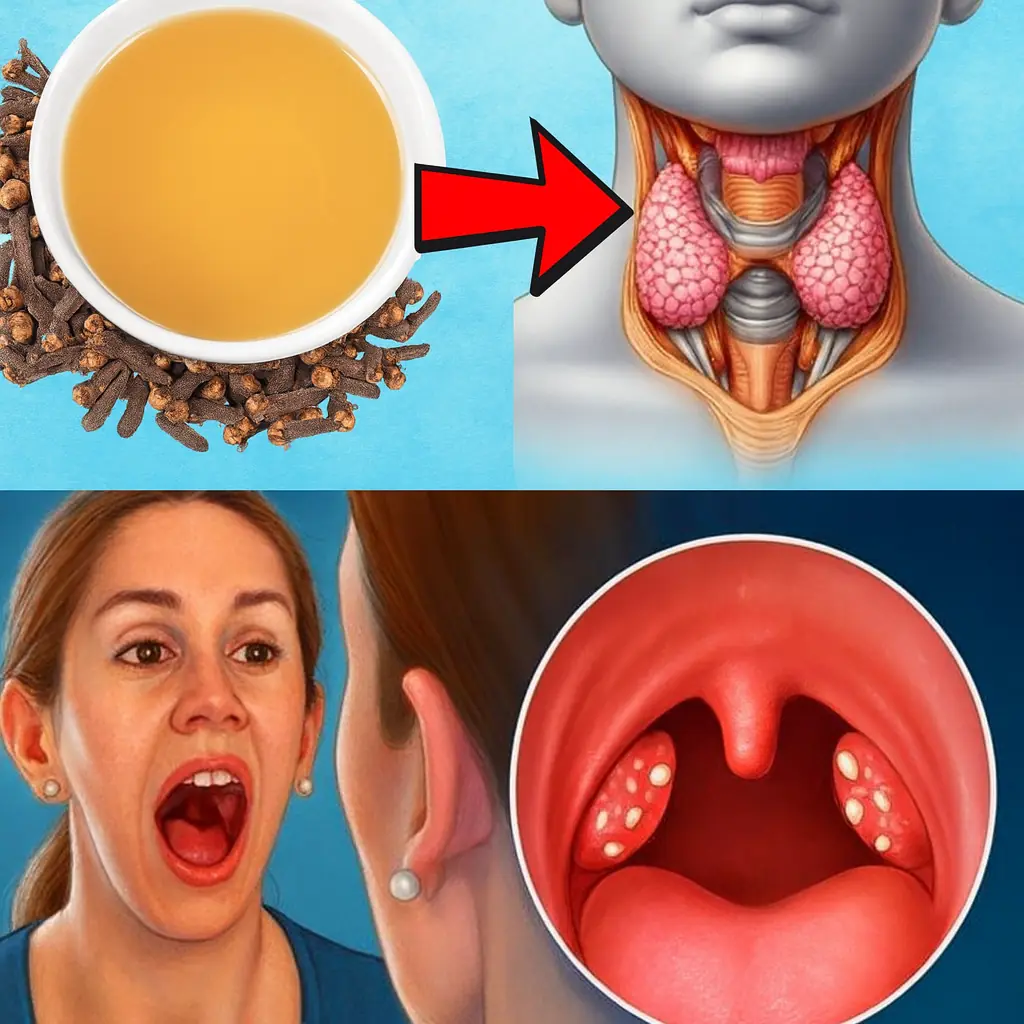
Have you ever felt like something just isn’t quite right with your body? Maybe you’re battling persistent fatigue that sleep can’t fix, struggling with unexplained weight gain, or noticing your skin is constantly dry and flaky no matter how much moisturizer you apply. These frustrating symptoms might all point to an often overlooked cause—a small, butterfly-shaped gland located at the base of your neck known as the thyroid. When this gland isn’t functioning properly, it can feel like your entire body is out of balance.
This vital gland is your thyroid, the master regulator of metabolism. It produces hormones that control how your body converts food into energy and manages countless functions in nearly every organ. When the thyroid is underactive—a condition called hypothyroidism—your metabolism slows down, and your body’s systems start to drag. Shockingly, millions of people live with hypothyroidism without knowing it, often dismissing their symptoms as mere signs of aging, stress, or lifestyle issues. Today, drawing on the expertise of Dr. Siobhan Deshauer, we’re uncovering the top 15 signs of hypothyroidism so you can recognize the warning signals your body may be sending.
What it is: Hypothyroidism, or an underactive thyroid, causes a broad range of symptoms impacting everything from skin and hair health to mood and energy levels.
Visible signs: Many symptoms are noticeable externally, such as changes in skin texture, hair thinning, nail abnormalities, and swelling around the face and neck.
Hidden symptoms: Less obvious signs include chronic fatigue, increased sensitivity to cold, depression, and unexplained weight gain.
Diagnosis and treatment: Diagnosis involves a simple blood test measuring thyroid-stimulating hormone (TSH) levels, and treatment with hormone replacement therapy is highly effective in restoring balance.
One of the clearest, most visible signs of hypothyroidism is a swelling at the base of your neck known as a goiter. Your brain constantly monitors thyroid hormone levels and sends Thyroid Stimulating Hormone (TSH) to tell the gland to produce more hormones. When the thyroid struggles to keep up, the brain sends increasing amounts of TSH, which overstimulates the gland and causes it to enlarge. In severe cases, this swelling can interfere with swallowing or breathing, making prompt medical attention crucial.
Think of your skin as a protective brick wall. The cells are the bricks, and natural oils act like mortar, sealing in moisture. Hypothyroidism dramatically decreases oil production, causing moisture to escape and the skin to become dry, rough, and prone to cracking. Sometimes the skin develops a mosaic-like pattern of irregular cracks, which can be uncomfortable and unsightly.
Thyroid hormones regulate skin regeneration. When levels are low, dead skin and proteins like keratin can build up excessively. This often leads to thick, rough patches on the palms and soles, a condition known as palmar-plantar keratoderma, which can make the skin feel calloused or scaly.
Since hair is largely made of keratin, hypothyroidism significantly disrupts its growth cycle. Hair production slows, leading to dull, brittle, and thinning hair. Worse yet, hair follicles enter a resting phase prematurely, causing diffuse shedding that can lead to noticeable hair loss across the scalp within months.
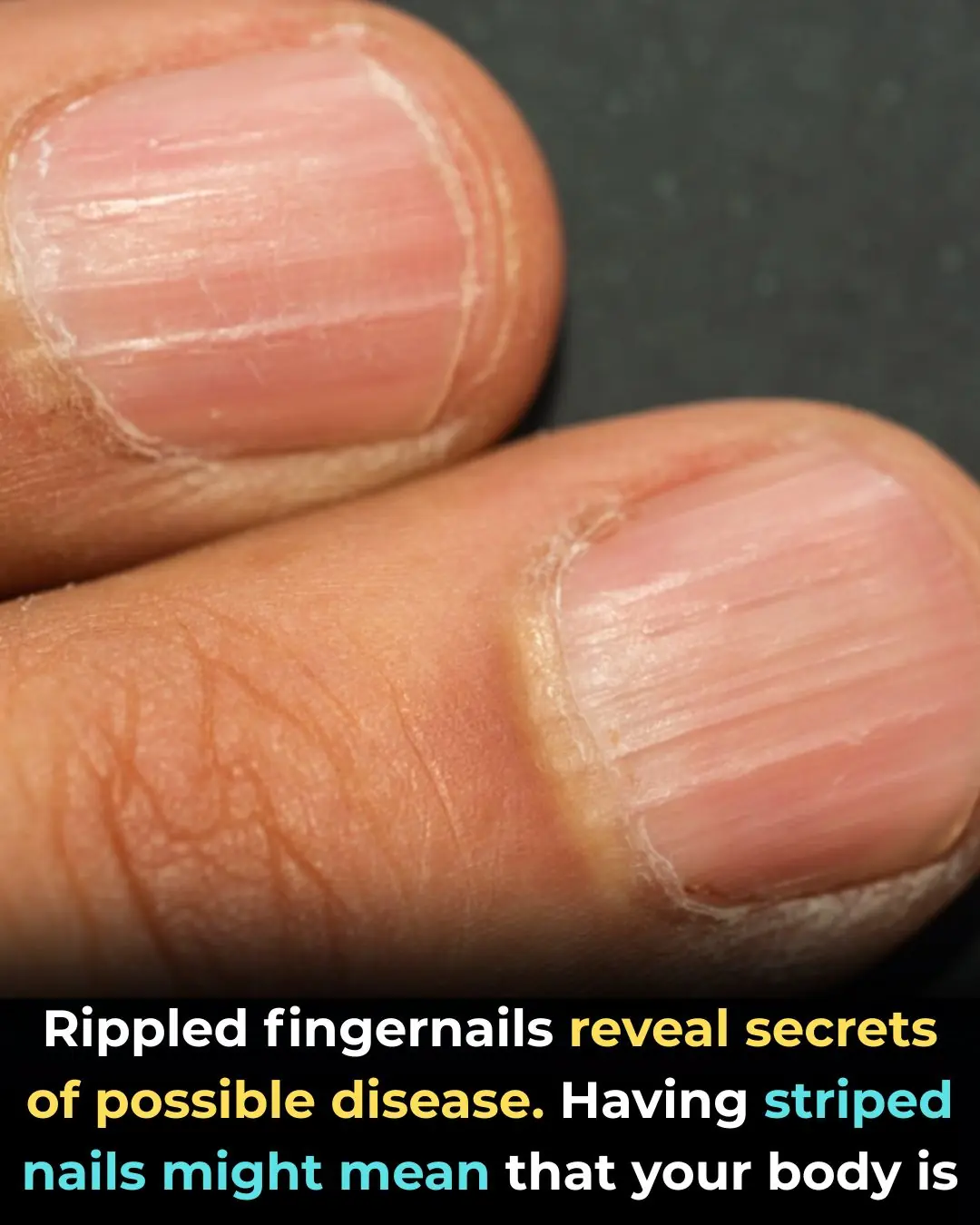
Nails can become thickened but fragile, prone to splitting and crumbling. Vertical ridges may develop, and in some cases, nails lift off the nail bed—a condition called onycholysis. This reflects disrupted nail growth caused by thyroid hormone deficiency.
This classic sign is sometimes called the “Sign of Queen Anne.” Hair loss isn’t limited to the scalp—in hypothyroidism, the outer third of the eyebrows may thin dramatically, a telltale symptom doctors often check for during examinations.
Persistent puffiness, especially around the eyes, is often mistaken for sleep deprivation. But in hypothyroidism, this swelling results from the buildup of myxedema—a gelatinous substance accumulating in the skin and tissues. This causes a characteristic doughy swelling that can make your face appear bloated.
Myxedema can also affect muscles, including the tongue. When the tongue swells, it feels bulky and can partially obstruct the airway during sleep. This contributes to or worsens obstructive sleep apnea, a condition causing interrupted breathing and poor sleep quality.
The carpal tunnel is a tight passageway in the wrist that houses the median nerve. Fluid retention and tissue swelling caused by hypothyroidism increase pressure within this tunnel, compressing the nerve. This results in numbness, tingling, and pain in the thumb and fingers—classic symptoms of carpal tunnel syndrome. Surprisingly, many carpal tunnel cases are linked to undiagnosed thyroid issues.
Do you find yourself shivering in mild weather or constantly bundling up? A persistent intolerance to cold is a hallmark of hypothyroidism. When metabolism slows, your cells operate at reduced capacity and produce less heat, making you feel chilled even when others feel comfortable.
If your skin, especially on your palms and soles, takes on an unusual yellow-orange hue, it could be due to carotenemia. This condition happens because hypothyroidism impairs the enzyme responsible for converting beta-carotene (found in carrots, sweet potatoes, and other vegetables) into vitamin A. As a result, excess beta-carotene accumulates in your bloodstream and deposits in your skin, causing the discoloration.
Your thyroid heavily influences brain chemistry. Low thyroid hormone levels reduce the production of neurotransmitters like serotonin and dopamine, which regulate mood and cognition. This can cause depression, memory problems, difficulty concentrating (brain fog), and mood swings. Because of this, doctors often recommend thyroid testing during assessments for mental health concerns.
For women, hypothyroidism often disrupts the delicate balance between estrogen and progesterone. This hormonal imbalance affects the uterine lining, leading to heavier, longer, or irregular menstrual cycles, sometimes causing painful periods or spotting between cycles.
Perhaps the most common yet overlooked symptom is deep, persistent fatigue. This isn’t just feeling tired after a busy day—it’s an overwhelming exhaustion that doesn’t improve with rest or sleep. With your metabolism slowed to a crawl, your body struggles to generate the energy needed for daily life.
Weight gain is one of the most common complaints among people with hypothyroidism. As your metabolism slows, your body burns fewer calories even at rest, making it easier to gain weight without changes in diet or exercise. Additionally, digestive motility slows, often leading to constipation, bloating, and abdominal discomfort. Because these symptoms are so common, they are frequently overlooked as signs of a thyroid problem.
If several of these signs resonate with you, don’t panic. The first and most important step is to consult your healthcare provider. Diagnosing hypothyroidism is straightforward and involves a simple blood test measuring your TSH level. A high TSH means your brain is signaling your thyroid to produce more hormones, indicating underperformance.
The great news is hypothyroidism is highly treatable. The standard treatment is a daily medication called levothyroxine, which replaces the thyroid hormone your body isn’t producing enough of. With consistent treatment, many symptoms can improve significantly or even resolve completely, helping you regain your energy, mood, and overall health.
If you suspect hypothyroidism, taking action early can make a big difference. Listen to your body, get tested, and work with your doctor to develop a treatment plan that helps you feel like yourself again.