People with heart problems should avoid these 4 things to reduce stimulation to the heart
Health 16/12/2025 19:18
Pneumonia is a serious lung infection that can be caused by viruses or bacteria. While both forms inflame the air sacs (alveoli) and make breathing difficult, viral pneumonia and bacterial pneumonia differ significantly in symptoms, severity, treatment, and recovery time. Knowing the differences can help you seek the right care sooner—and avoid dangerous complications.
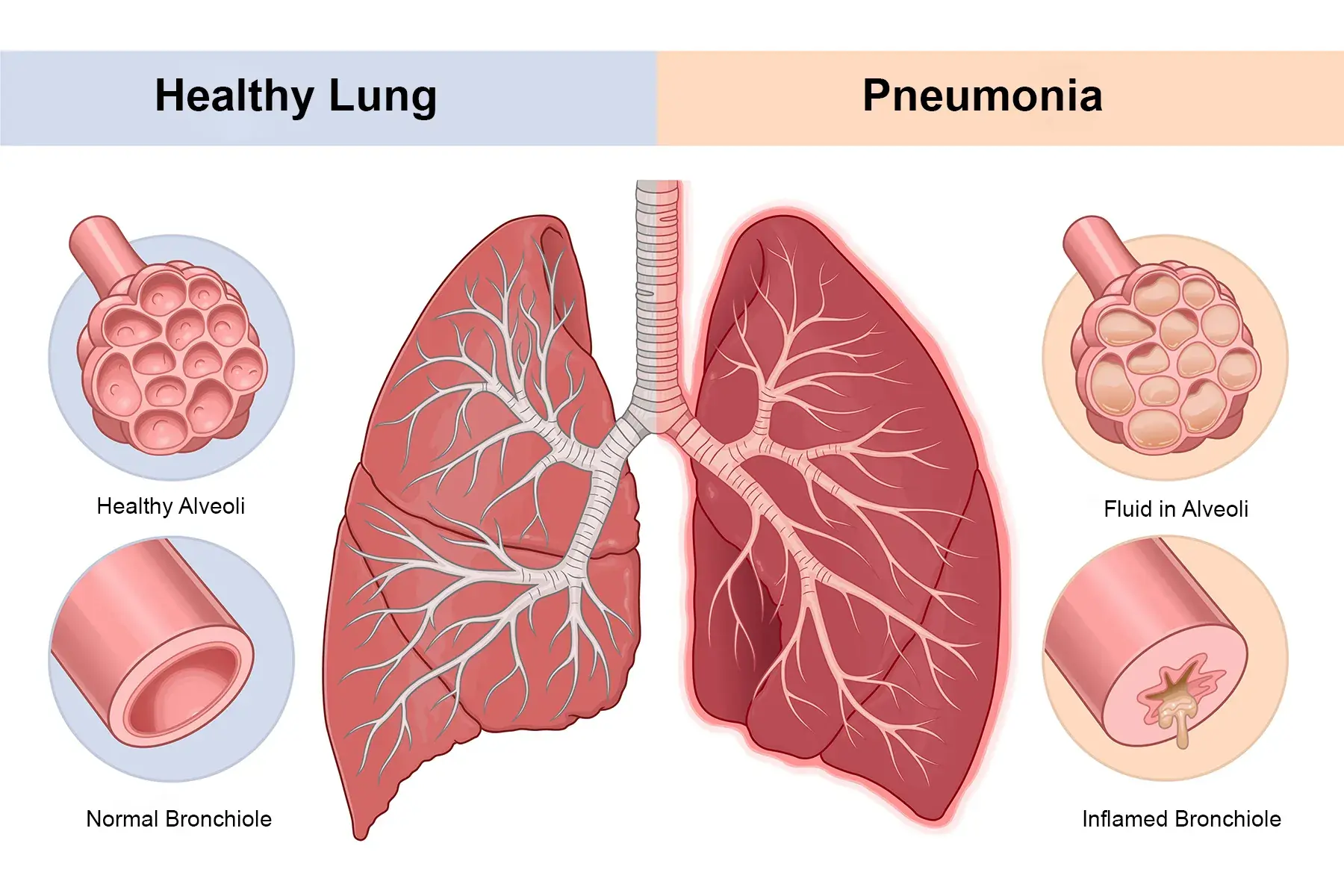
Pneumonia occurs when pathogens infect the lungs, causing the air sacs to fill with fluid or pus. This limits oxygen exchange and triggers symptoms ranging from mild cough to life-threatening respiratory distress.
The two most common types are:
Viral pneumonia – caused by respiratory viruses
Bacterial pneumonia – caused by bacteria
Viral pneumonia is often triggered by respiratory viruses and may start like a typical cold or flu before progressing to the lungs.
Influenza
COVID-19
Respiratory Syncytial Virus
Dry cough
Low-grade fever
Fatigue and body aches
Shortness of breath (often mild at first)
Headache and sore throat
Symptoms tend to develop gradually and may worsen over several days.
Bacterial pneumonia usually develops suddenly and is often more severe—especially in older adults or those with weakened immunity.
Streptococcus pneumoniae (most common)
Haemophilus influenzae
Mycoplasma pneumoniae
Sudden high fever (often above 39°C / 102°F)
Productive cough with yellow, green, or bloody mucus
Chest pain that worsens with breathing or coughing
Rapid breathing and heart rate
Severe weakness or confusion (especially in elderly patients)
| Feature | Viral Pneumonia | Bacterial Pneumonia |
|---|---|---|
| Onset | Gradual | Sudden |
| Fever | Mild to moderate | High, abrupt |
| Cough | Usually dry | Productive (phlegm) |
| Severity | Mild to moderate | Often severe |
| Treatment | Supportive care | Antibiotics required |
| Recovery | Slower but steady | Faster with treatment |
Accurate diagnosis is crucial because treatments differ.
Physical exam and symptom history
Chest X-ray (pattern differences)
Blood tests (white blood cell count)
Sputum culture
Viral testing (flu, COVID-19)
Doctors may initially treat broadly, then adjust once test results return.
Antibiotics do not work against viruses.
Treatment focuses on:
Rest and hydration
Fever reducers and pain relievers
Antiviral medications (for flu or COVID-19, when appropriate)
Oxygen therapy in severe cases
Most healthy adults recover with proper care, but symptoms may linger for weeks.
Prompt antibiotic treatment is essential.
Treatment includes:
Targeted antibiotics
Fluids and rest
Hospitalization for severe cases
Oxygen or IV antibiotics if needed
With early treatment, improvement is often seen within 48–72 hours.
Both types can lead to serious complications, including:
Respiratory failure
Sepsis
Lung abscess
Worsening of chronic conditions (asthma, COPD, heart disease)
Bacterial pneumonia generally carries a higher immediate risk, while viral pneumonia can pave the way for secondary bacterial infections.
Adults over 65
Children under 5
Smokers
People with asthma, diabetes, or heart disease
Immunocompromised individuals
Vaccination and early treatment are especially important for these groups.
Get vaccinated (flu, COVID-19, pneumococcal vaccines)
Wash hands frequently
Avoid smoking
Strengthen immunity with sleep and nutrition
Seek care early when respiratory symptoms worsen