Allergic Rhinitis: What Triggers It and How to Manage It
Allergic Rhinitis, commonly known as hay fever, is a chronic allergic condition that affects the nose and sinuses. Although it isn’t life-threatening, it can seriously disrupt sleep, concentration, work productivity, and overall quality of life—especially when left untreated.
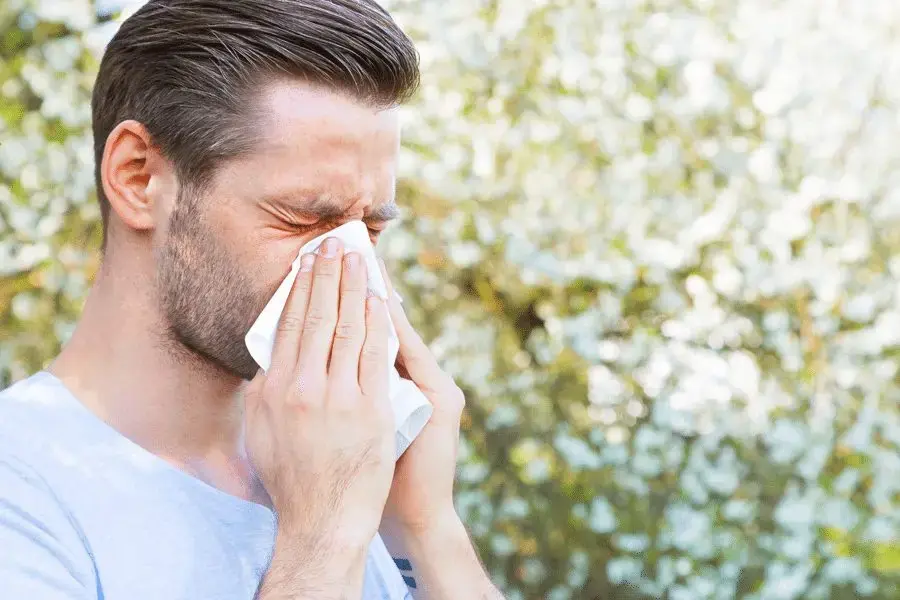
What Is Allergic Rhinitis?
Allergic rhinitis occurs when your immune system overreacts to harmless airborne substances, triggering inflammation of the nasal lining. This reaction leads to persistent nasal and eye symptoms that can last weeks, months, or even year-round.
There are two main types:
-
Seasonal allergic rhinitis – linked to pollen (spring, summer, fall)
-
Perennial allergic rhinitis – triggered year-round by indoor allergens
Common Triggers You Should Know
Outdoor Allergens
-
Tree pollen
-
Grass pollen
-
Weed pollen
Indoor Allergens
-
Dust mite allergy
-
Pet dander
-
Mold spores
-
Cockroach debris
Irritants That Worsen Symptoms
-
Cigarette smoke
-
Air pollution
-
Strong perfumes or cleaning chemicals
-
Cold, dry air
Key Symptoms of Allergic Rhinitis
Unlike colds or flu, allergic rhinitis does not cause fever and often persists as long as exposure continues.
Nasal & Eye Symptoms
-
Sneezing (often in bursts)
-
Runny or congested nose
-
Itchy nose, throat, or ears
-
Watery, red, itchy eyes
Whole-Body Effects
-
Fatigue and brain fog
-
Poor sleep quality
-
Headaches or sinus pressure
-
Reduced sense of smell
Why Allergic Rhinitis Shouldn’t Be Ignored
Untreated allergic rhinitis can lead to:
-
Chronic sinusitis
-
Ear infections
-
Worsening asthma symptoms
-
Sleep apnea or chronic fatigue
-
Decreased academic or work performance
How Allergic Rhinitis Is Diagnosed
Doctors may use:
-
Symptom history and physical exam
-
Skin prick allergy testing
-
Blood tests (IgE levels)
-
Response to allergy medications
Accurate diagnosis helps identify specific triggers, making treatment more effective.
Effective Management & Treatment Options
1. Avoidance (First Line of Defense)
-
Keep windows closed during high-pollen seasons
-
Wash bedding weekly in hot water
-
Use HEPA air purifiers
-
Shower after outdoor exposure
2. Medications
-
Antihistamines – reduce sneezing and itching
-
Nasal corticosteroid sprays – most effective for congestion
-
Decongestants (short-term only)
-
Leukotriene inhibitors (especially for asthma sufferers)
3. Immunotherapy (Long-Term Solution)
-
Allergy shots or sublingual tablets
-
Gradually retrain the immune system
-
Can reduce symptoms for years
Natural & Lifestyle Support
-
Saline nasal rinses to clear allergens
-
Anti-inflammatory diet (omega-3s, fruits, vegetables)
-
Adequate sleep to regulate immune response
-
Stress reduction (stress worsens allergy reactions)
When to See a Doctor
Seek medical advice if:
-
Symptoms last longer than 2–3 weeks
-
Over-the-counter meds stop working
-
Sleep or breathing is affected
-
Asthma symptoms worsen
Can Allergic Rhinitis Be Prevented?
While it can’t always be prevented, early management dramatically reduces severity and complications. Many people achieve near-complete symptom control with the right combination of strategies.
News in the same category


12 Bizarre Symptoms of Vitamin D Deficiency You Need to Know

8 warning signs of colon cancer you should never ignore

The daily drink that helps clear blocked arteries naturally

This old school home remedy will soothe your back, joints & knee pain in just 7 days!

Sleep Apnea: Symptoms, Risks, and Treatment Solutions

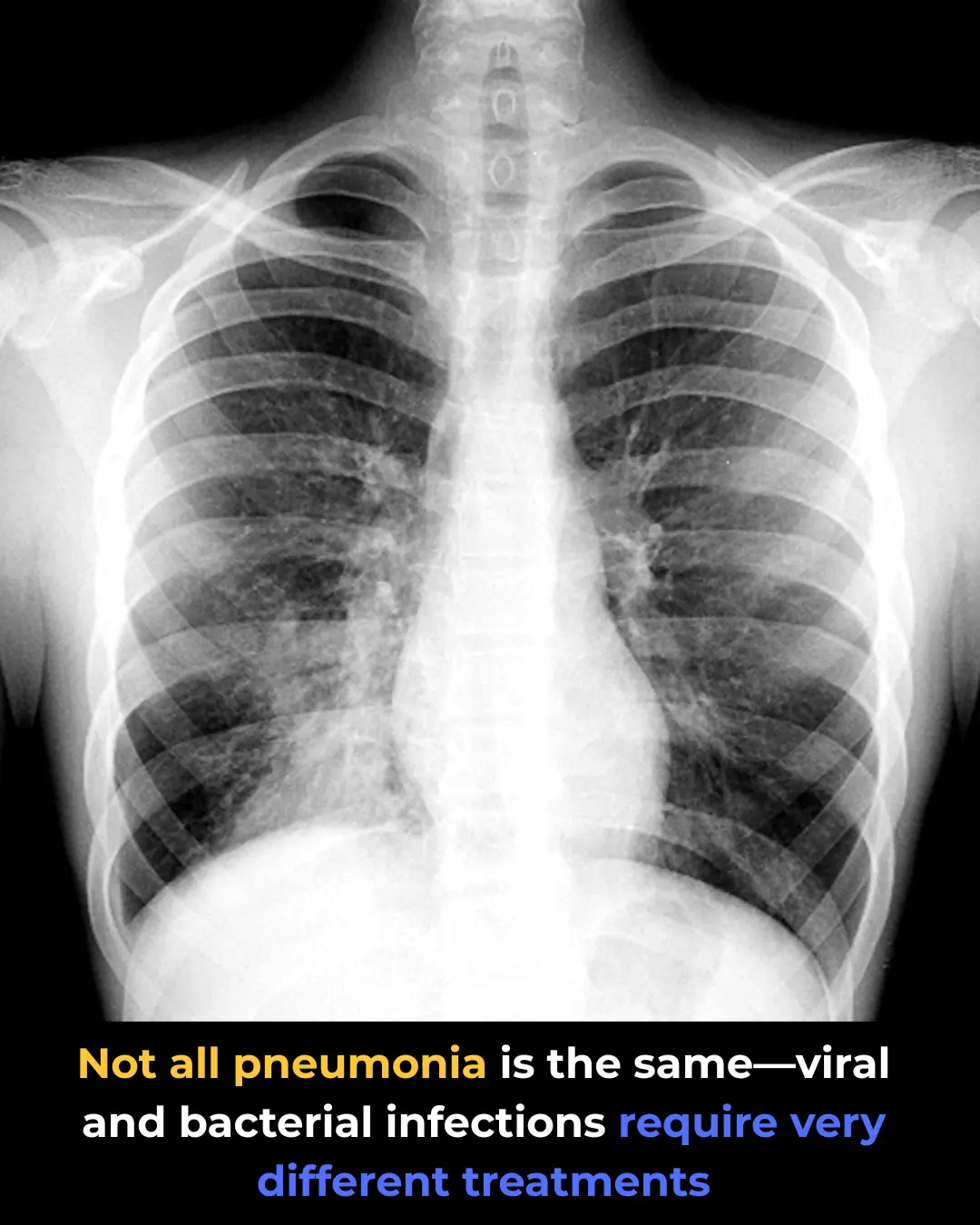
Viral Pneumonia vs. Bacterial Pneumonia: Key Differences

COPD Exacerbation: Symptoms That Indicate a Flare-Up

Bile Reflux vs. Acid Reflux: Key Differences You Need to Know

Ulcerative Colitis vs. Crohn’s Disease: What Makes Them Different

How to lower blood sugar without giving up carbs

Top 8 warning signs of ovarian cancer women absolutely need to know

Don’t Ignore These Warning Signs of Vitamin B12 Deficiency!

Why you keep waking up with dry mouth—and what it may be telling you

Here’s What Eating Blueberries Every Day Does to Your Body, Says a Registered Dietitian

How To Get Rid Of Eczema: 13 Natural Remedies Backed By Research

Scientists Explain The Effects of Eating Too Much Sugar

Top 10 Functional Foods In The World Which Fight Cancer Cells

90% of diabetes cases could end if you STOP these foods
News Post

Put a few ice cubes in the washing machine with your wrinkled clothes and do this, and you'll see an unexpected miracle.

A 2013 study conducted by researchers

Experienced tofu makers share tips on how to distinguish between clean tofu and tofu containing gypsum.

Don't put the purchased sấu fruit in the refrigerator right away: Follow this one extra step, and the sấu fruit will stay fresh and delicious for a whole year, retaining its original flavor.

How Retired Buses in France Are Becoming Mobile Book Rooms for Thoughtful Travel

How Turkey’s ‘Micro Animal Closets’ Are Offering Care to Stray Animals in Urban Parks

How Portugal Is Turning Urban Parking Towers into Night Shelters for the Homeless

How Retroftted City Buses Are Providing Warmth and Rest for the Homeless in Canada

People with heart problems should avoid these 4 things to reduce stimulation to the heart

12 Bizarre Symptoms of Vitamin D Deficiency You Need to Know

8 warning signs of colon cancer you should never ignore

The daily drink that helps clear blocked arteries naturally

This old school home remedy will soothe your back, joints & knee pain in just 7 days!

Sleep Apnea: Symptoms, Risks, and Treatment Solutions

Always the Strong One: The Emotional Cost of Holding Everything Together

A New Cancer Vaccine Shows Long-Lasting Protection in Preclinical Studies

Viral Pneumonia vs. Bacterial Pneumonia: Key Differences

COPD Exacerbation: Symptoms That Indicate a Flare-Up