People with heart problems should avoid these 4 things to reduce stimulation to the heart
Health 16/12/2025 19:18
Burning chest pain, bitter taste in the mouth, nausea—many people assume these symptoms automatically mean acid reflux. But there’s another, often overlooked condition that can feel similar yet behave very differently: bile reflux.
Confusing the two can delay proper treatment and worsen long-term damage to the stomach and esophagus. Let’s clearly break down how bile reflux and acid reflux differ, why bile reflux is often more dangerous, and when you should seek medical help.
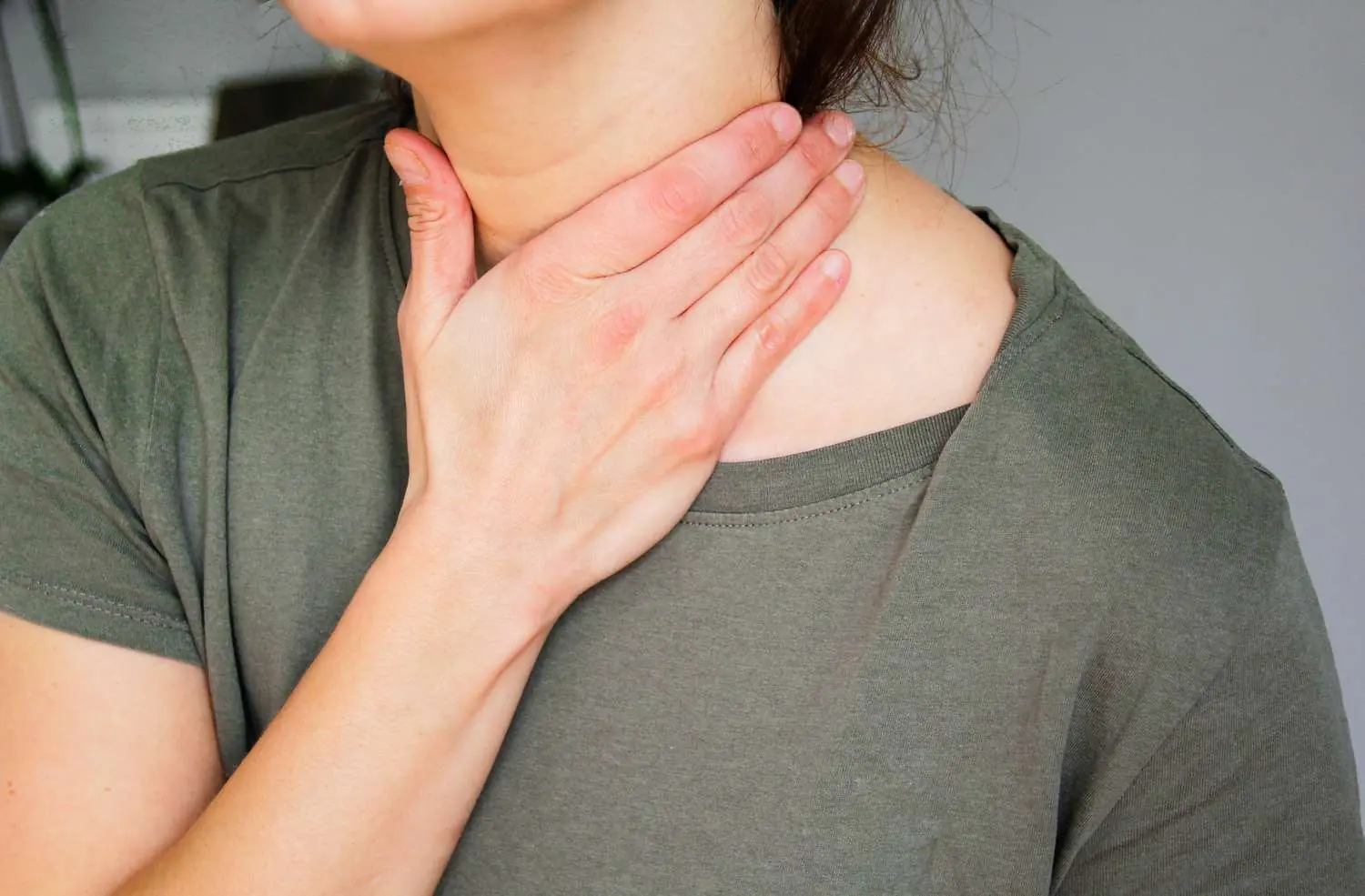
Acid Reflux occurs when stomach acid flows backward into the esophagus due to a weakened lower esophageal sphincter (LES). When this becomes chronic, it is known as GERD (Gastroesophageal Reflux Disease).
Overeating or lying down after meals
Fatty, spicy, or acidic foods
Obesity
Smoking and alcohol
Hiatal hernia
Bile Reflux happens when bile—a digestive fluid produced by the liver—flows upward from the small intestine into the stomach and sometimes into the esophagus.
Unlike acid reflux, bile reflux is not related to stomach acid and does not respond well to standard antacids.
Gallbladder removal surgery
Stomach surgery (especially gastric bypass)
Dysfunction of the pyloric valve
Severe peptic ulcer disease
Acid reflux: Stomach acid
Bile reflux: Bile salts from the small intestine
Acid reflux: Burning chest pain, sour taste, regurgitation
Bile reflux: Upper abdominal pain, persistent nausea, bitter taste, vomiting bile
Acid reflux: Often improves with antacids and PPIs
Bile reflux: Rarely improves with acid blockers
Acid reflux: Irritating but often manageable
Bile reflux: More damaging to the stomach lining and esophagus
Burning pain in the upper abdomen
Constant nausea
Vomiting yellow-green fluid
Bitter or metallic taste that won’t go away
Unexplained weight loss
Severe inflammation seen on endoscopy
If your symptoms persist despite acid reflux treatment, bile reflux should be considered.
Bile is highly alkaline and corrosive to tissues not designed to handle it. Chronic exposure can lead to:
Gastritis
Esophageal inflammation
Ulcer formation
Increased risk of Esophageal Cancer
Unlike acid reflux, bile reflux can silently damage the stomach even without classic heartburn.
Doctors may use:
Endoscopy (to visualize bile pooling)
pH monitoring (acid vs non-acid reflux)
Bilitec monitoring (detects bile reflux)
Gastric emptying studies
Diagnosis is essential because treatments differ completely.
Proton pump inhibitors (PPIs)
H2 blockers
Lifestyle changes (smaller meals, weight loss)
Elevating the head during sleep
Bile-binding medications (e.g., ursodeoxycholic acid)
Prokinetic agents
Surgical correction (in severe cases)
Strict dietary modification
Antacids alone are ineffective for bile reflux.
Eat smaller, more frequent meals
Avoid fried and fatty foods
Reduce alcohol and caffeine
Don’t lie down within 3 hours after eating
Maintain a healthy weight
Persistent nausea or vomiting
Unintentional weight loss
Severe abdominal pain
Symptoms not responding to reflux medication
Vomiting bile or blood
These are red flags, not routine reflux.
While acid reflux is common, bile reflux is often missed and misdiagnosed. Understanding the difference is crucial because treating bile reflux as acid reflux can allow silent damage to continue.
If your symptoms don’t improve—or feel unusually severe—push for further evaluation. Your digestive system may be telling a different story.