Proven Health Benefits of Beets and Fermented Beets (Science Based)
Health 07/09/2026 15:59
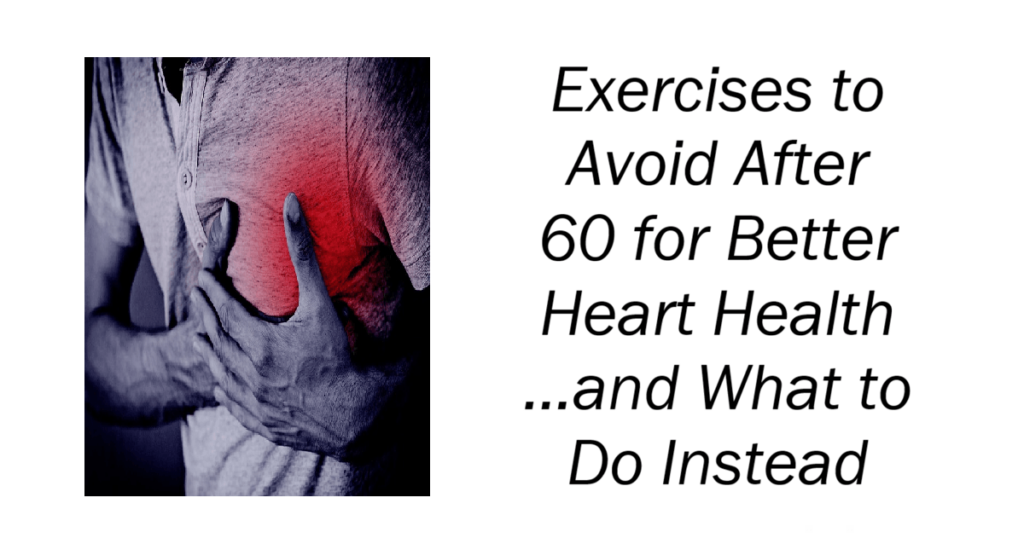
Staying active is one of the best things you can do for your health as you get older. Regular exercise helps maintain muscle strength, improves balance, supports heart health, and boosts overall well-being. But once you reach your 60s and beyond, not every workout is equally beneficial.
While challenging workouts may be suitable for some healthy older adults, certain high-intensity exercises can place unnecessary stress on the heart and joints—particularly for people with existing cardiovascular conditions or those who haven’t exercised regularly.
Here are five types of exercise that may deserve a second look, along with safer alternatives that can help you stay fit without overloading your body.
HIIT workouts alternate short bursts of maximum effort with brief recovery periods. Although they’re popular for improving fitness quickly, they can cause sudden spikes in heart rate and blood pressure.
For older adults—especially those with heart disease, high blood pressure, or other cardiovascular concerns—these intense fluctuations may increase cardiovascular strain.
Try instead: Moderate-paced walking, cycling, or swimming, where you can comfortably maintain a conversation while exercising.
Short, explosive runs place significant demands on the heart and blood vessels. Rapid acceleration can sharply increase blood pressure and heart rate within seconds.
If you’re over 60, particularly if you’re returning to exercise after a long break, sprinting may not be the safest choice.
Try instead: Brisk walking or gentle jogging at a comfortable pace that allows gradual increases in intensity.
Exercises such as jump squats, jump rope, box jumps, and other plyometric movements involve repeated impact with the ground.
Besides increasing cardiovascular effort, these exercises can put extra stress on the knees, hips, ankles, and lower back, making injuries more likely.
Try instead: Water aerobics, swimming, or low-impact aerobic classes that provide cardiovascular benefits while being kinder to your joints.
Heavy weightlifting often involves holding your breath while exerting force—a technique that can temporarily cause significant increases in blood pressure.
This type of training may be inappropriate for people with certain heart conditions unless specifically recommended and supervised by a healthcare professional.
Try instead: Strength training with lighter weights or resistance bands. Higher repetitions with manageable resistance can help maintain muscle strength while reducing cardiovascular strain.
Adding weighted vests, ankle weights, or carrying heavy loads during exercise increases the demands placed on both the cardiovascular system and the joints.
Without proper guidance, these workouts may increase the risk of injury or excessive strain.
Try instead: Bodyweight exercises or professionally supervised resistance training tailored to your current fitness level.
The good news is that there are plenty of safe and effective ways to stay active while supporting heart health.
Some excellent options include:
Regardless of the activity you choose, following a few basic guidelines can make exercise both safer and more enjoyable.
If you’re starting a new exercise routine or have heart disease, diabetes, high blood pressure, or other chronic conditions, talk to your healthcare provider first.
Stop exercising immediately and seek medical attention if you experience:
Avoid doing too much too soon. Slowly increase your exercise time, frequency, and intensity as your fitness improves.
Many people find it helpful to use a heart rate monitor or fitness tracker. Even without one, a good rule of thumb is the “talk test”—during moderate exercise, you should still be able to carry on a conversation.
Exercise remains one of the most powerful tools for maintaining health after 60. The goal isn’t to avoid activity—it’s to choose activities that match your fitness level and medical history.
For many older adults, replacing high-impact or high-intensity workouts with walking, swimming, cycling, Tai Chi, yoga, and light strength training can provide excellent health benefits while reducing unnecessary strain on the heart and joints.
Remember that age alone doesn’t determine which exercises are appropriate. Many adults over 60 can safely perform vigorous exercise, while others may need to modify their routines because of underlying health conditions. The safest approach is to build a program that fits your individual needs and, if you have cardiovascular concerns, to do so with guidance from your healthcare provider.