So good! Thanks nana!
Tips 06/09/2026 16:48
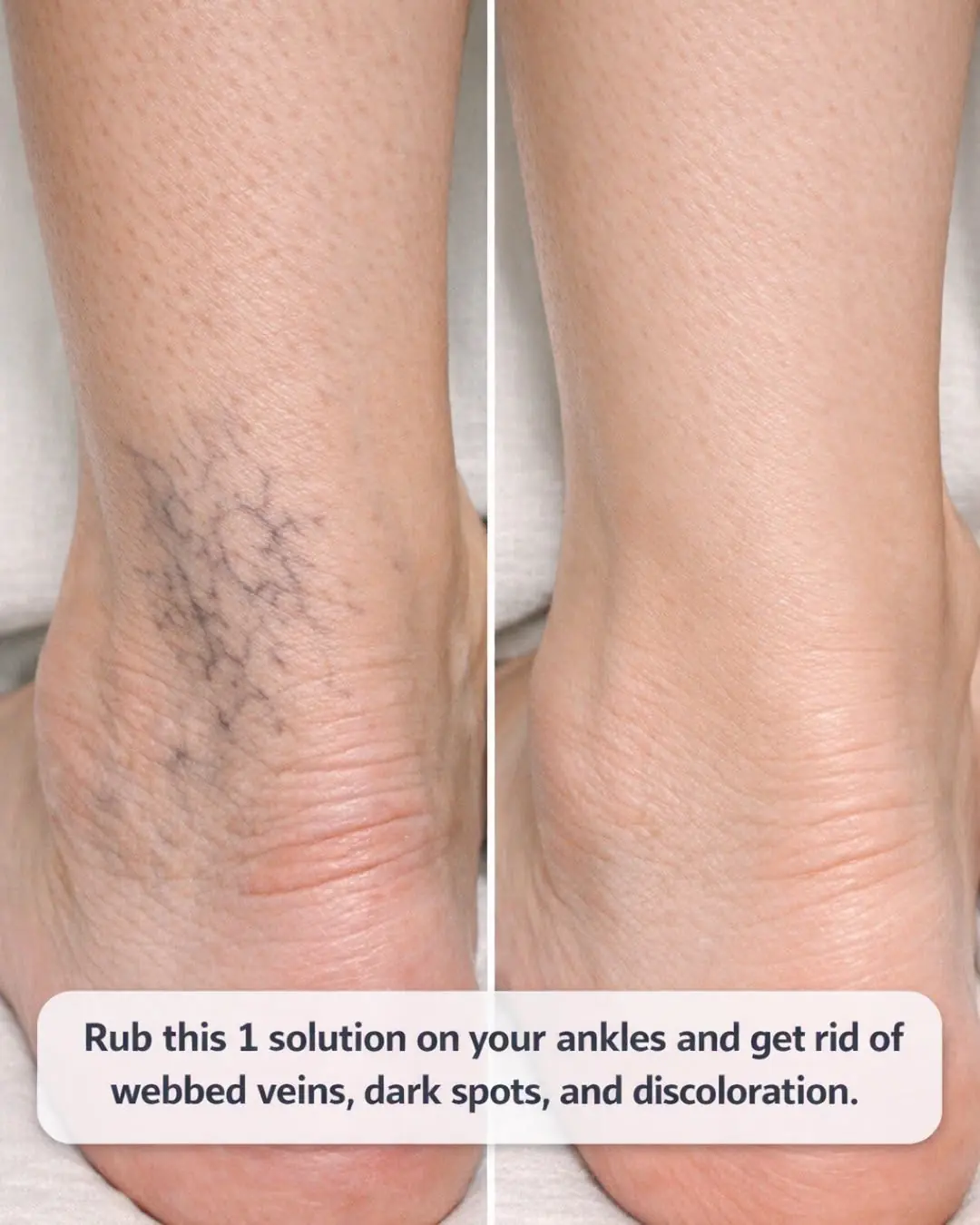
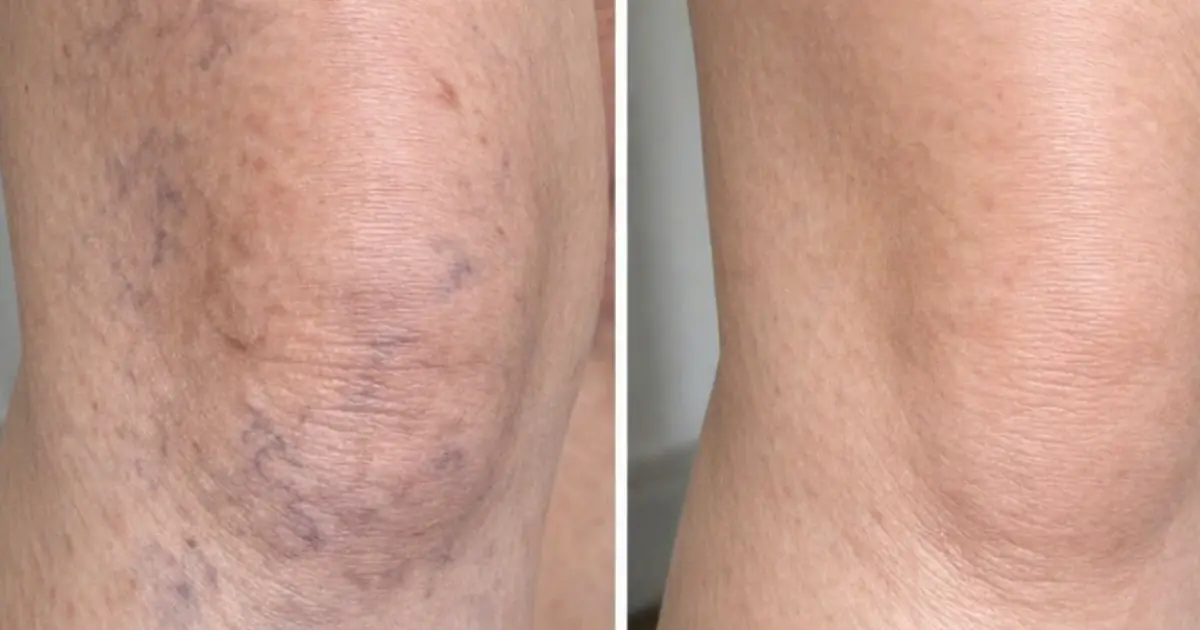
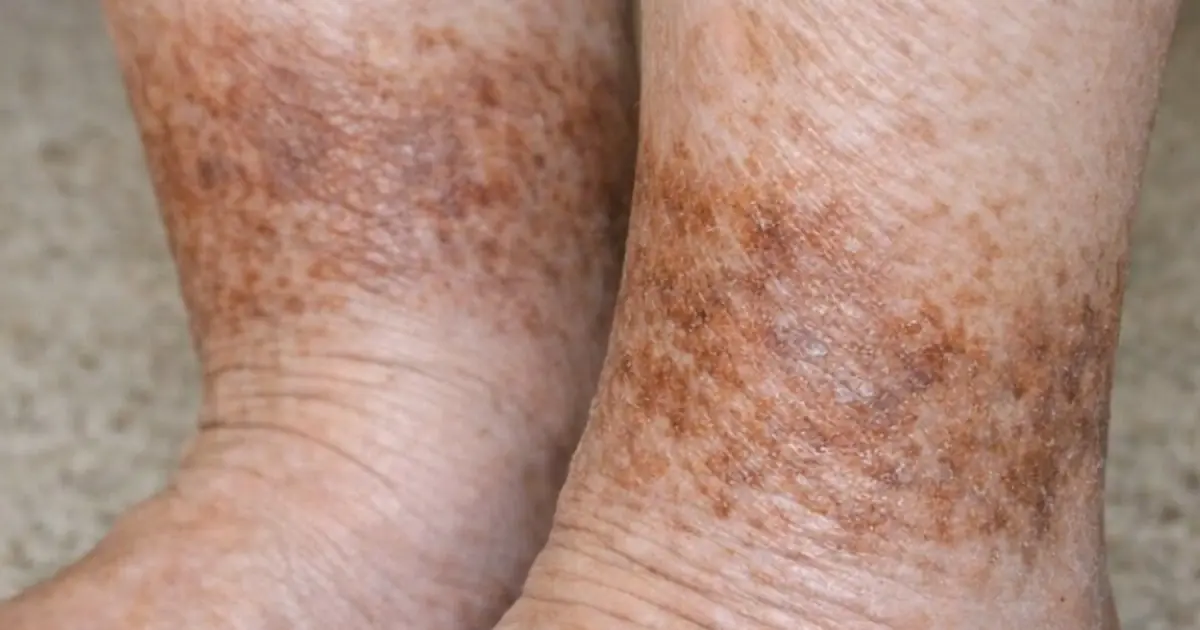
Dark ankles are one of those little skin concerns that can feel surprisingly stubborn. I’ve heard from plenty of home cooks and busy women my age who moisturize faithfully everywhere else, then notice their ankles still look a shade or two darker, rougher, or a bit ashy compared with the rest of the leg. In many cases, the issue is not one dramatic problem but a combination of friction, dryness, dead-skin buildup, sun exposure, and, sometimes, very visible tiny veins that become more obvious against uneven tone.
If I were choosing one practical “solution” to focus on, it would be a simple lactic-acid body lotion used consistently on clean, dry skin. It is not magic, and it will not erase true veins overnight, but it can make a real difference in rough texture, dullness, and post-inflammatory darkening around the ankles over 6 to 12 weeks. Below, I’ll walk through why this works, how to use it safely, what results are realistic, and what to do if your dark ankles are actually signaling something more than dry skin.
1. The one solution I’d start with
The most useful single product for dark ankles is a lactic acid body lotion in the 10% to 12% range. Lactic acid is an alpha hydroxy acid that loosens the bonds between dead skin cells while also helping draw water into the skin. That matters because dark ankles are very often thickened, dry ankles. When skin gets dry and repeatedly rubbed by socks, shoes, boots, or even crossing your feet under a chair, it can look darker simply because the surface is rough and compacted.
A lotion with 10% lactic acid, applied once daily at night for the first 2 weeks and then up to twice daily if tolerated, is a sensible routine. You only need about a nickel-sized amount per ankle. Massage it in for 20 to 30 seconds until it stops feeling slick. Consistency matters more than quantity.
2. Why ankles get darker than the rest of the leg
In my experience, ankles darken for a few very ordinary reasons. First, the area has less natural oil than many people realize, so it dries out easily. Second, it gets regular friction from shoe collars, sandal straps, winter boots, leggings seams, and even rough bath mats. Third, it is often missed during careful body care. People remember their face, hands, and maybe knees, but the ankles get a quick swipe of lotion at best.
There are also medical reasons. Eczema, old bug bites, shaving irritation, contact dermatitis from shoe materials, poor circulation, and long-term swelling can all leave the skin darker. If the color is brownish-purple and the skin feels tight or puffy by evening, that points me away from simple dryness and toward circulation issues that deserve a clinician’s opinion.
3. What lactic acid can realistically improve
Lactic acid can help with surface dullness, ashiness, rough patches, mild thickening, and uneven brown tone caused by dead-skin buildup or irritation. In many people, the ankles start looking smoother within 10 to 14 days, while visible tone improvement often takes 4 to 8 weeks. More established discoloration may take 8 to 12 weeks.
What it cannot do well is remove true spider veins or prominent blue veins. It may make them seem less noticeable because the skin looks smoother and brighter, but it does not close or erase veins. If veins are the main complaint, creams are supportive at best, not curative.
4. How to use it without irritating your skin
I always recommend starting slowly. After a lukewarm shower, pat the ankles dry and wait about 5 minutes so the skin is no longer dripping damp. Apply the lactic acid lotion only to the darker area and a little beyond the edges, not all over the leg at first. Use it every other night for 1 week. If you have no stinging lasting more than a minute or two, increase to nightly.
If your skin is sensitive, try the “sandwich” method: plain fragrance-free moisturizer first, then lactic acid lotion, then a thin final layer of plain moisturizer after 5 minutes. That slightly buffers the acid while still allowing it to work. If you feel persistent burning, see redness that lasts into the next day, or notice peeling, scale back to 3 nights per week.
5. The routine that gives the best results
One product works best when the rest of the routine stops sabotaging it. Use a mild, fragrance-free cleanser on the legs rather than a heavily perfumed body wash. Keep showers under 10 minutes and use warm, not hot, water. Hot water strips oils quickly, and dry ankles can look darker within days.
In the morning, apply a plain body cream with ceramides, glycerin, or petrolatum. If your ankles are exposed in loafers, sandals, cropped pants, or dresses, add broad-spectrum SPF 30 or higher. Sun exposure deepens existing discoloration. I know sunscreen on ankles sounds fussy, but in summer in Chicago, when my pant hems inch up and I’m walking to the train, it absolutely makes a difference.
6. Gentle exfoliation: less is more
One of the biggest mistakes I see is over-scrubbing. People use a pumice stone, rough sugar scrub, exfoliating gloves, and an acid lotion all in the same week, then wonder why the ankles get darker again. Friction creates more irritation, and more irritation can mean more pigment.
If you’re using lactic acid, skip harsh physical scrubs. At most, use a soft washcloth with light pressure once weekly. Think of it as polishing steam off a mirror, not sanding a tabletop. The chemical exfoliation is already doing the heavy lifting.
7. What about the “small veins” part?
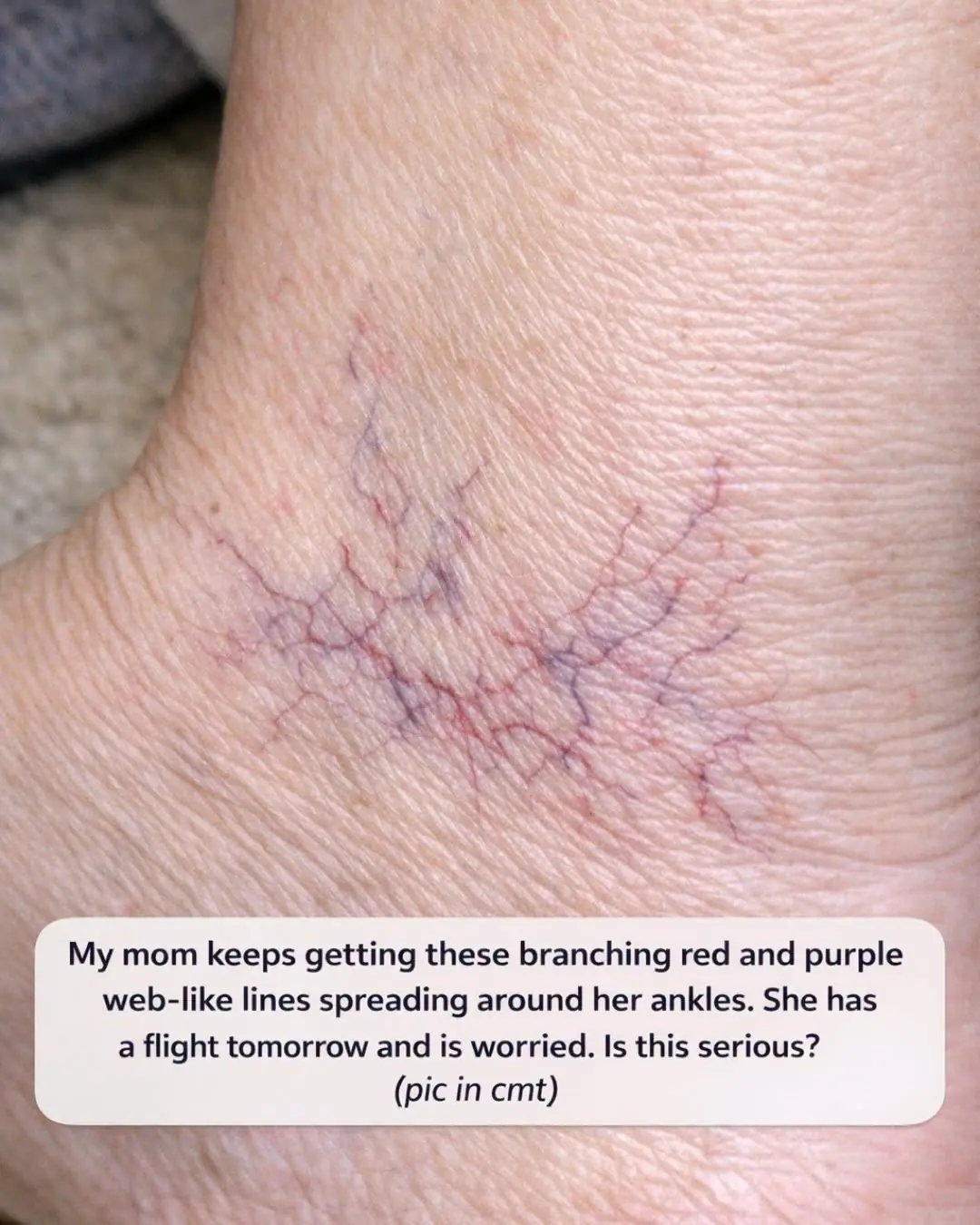
Small visible veins around the ankles are common, especially if you stand a lot, sit for long periods, have a family history of spider veins, or are simply getting older. I’m in my early 50s, and I can tell you the body keeps score on decades of standing at kitchen counters and walking hard floors. Creams won’t remove these veins, though cool compresses and regular moisturizing can make the skin look calmer overall.
What does help somewhat is reducing swelling and pressure. Try elevating your legs for 15 to 20 minutes in the evening, walking for 10 minutes every 1 to 2 hours if you sit a lot, and considering light-to-moderate compression socks if a clinician says they’re appropriate for you. If veins are painful, itchy, warm, or suddenly more prominent on one side, get them checked.
8. Ingredients that pair well with this solution
If your ankles are especially stubborn, the best supporting ingredients are urea (10% to 20%), niacinamide (2% to 5%), and ceramides. Urea helps soften thick, rough skin. Niacinamide can support the skin barrier and gradually improve uneven tone. Ceramides help reduce dryness, which keeps the cycle of irritation from restarting.
I would not pile on too many strong actives at once. For example, don’t combine lactic acid with a retinoid, glycolic acid scrub, and strong vitamin C serum on the ankles right away. Use one treatment product and one plain moisturizer for at least 3 to 4 weeks before deciding whether you need more.
9. The timeline you should expect
Here’s the honest version. In 1 to 2 weeks, you may notice softer skin and less ashiness. In 3 to 4 weeks, the ankles often look smoother and slightly brighter. In 6 to 8 weeks, mild discoloration may fade noticeably if friction and sun exposure are under control. In 8 to 12 weeks, many people see the best result they’re going to get from home care alone.
If there is no improvement at all after 8 weeks, I’d reconsider the cause. Very dark, velvety skin; swelling; itching; pain; or color changes that spread may need a dermatologist or primary care visit rather than another bottle of lotion.
10. Common mistakes that keep ankles dark
The first mistake is applying treatment inconsistently—three nights in a row, then forgetting for a week. The second is wearing shoes or socks that rub the exact spot you’re trying to improve. The third is using strong exfoliants too often. The fourth is skipping sunscreen when ankles are exposed. And the fifth is treating the discoloration while ignoring ongoing swelling or irritation.
I’d add one more: assuming “natural” means gentler. Lemon juice, baking soda, undiluted apple cider vinegar, and coarse salt scrubs can all irritate the skin barrier and make discoloration worse. The kitchen is my happy place, but not every pantry item belongs in a skincare routine.
11. When dark ankles may point to a health issue
Some darkening is cosmetic, but not all of it. Please pay attention if the skin is thick and velvety, especially if similar darkening appears on the neck or underarms; that can sometimes be associated with insulin resistance. If the ankles swell by the end of the day, leave sock marks, or look reddish-brown with visible veins, circulation problems may be involved.
Also get medical advice if one ankle is much darker than the other, the area is tender, there is persistent itching, or the skin develops a rash. A good home routine can improve simple dryness and buildup, but it should never be used to ignore symptoms that are changing quickly or causing discomfort.
12. A simple 8-week plan you can actually follow
Weeks 1 and 2: Apply 10% to 12% lactic acid lotion every other night. Use plain moisturizer every morning. Avoid scrubs. Keep showers short and lukewarm.
Weeks 3 and 4: Increase to nightly if tolerated. Apply SPF 30+ on exposed ankles during the day. Reduce friction from tight straps or stiff shoe collars.
Weeks 5 and 6: Continue nightly treatment. Add a ceramide cream in the morning and after long walks if the skin feels dry.
Weeks 7 and 8: Reassess in bright natural light. If the skin is smoother and lighter, maintain with nightly or every-other-night use. If there’s no change, or if swelling and veins are the main issue, make an appointment for a professional evaluation.
13. My bottom line
If you want one sensible solution for dark ankles, I’d choose a lactic acid body lotion and use it patiently. It addresses the most common causes—dryness, roughness, and buildup—without requiring a complicated routine. For many people, that alone is enough to make the ankles look more even and far less neglected.
But I’ll leave you with the practical truth I’ve learned in both cooking and skincare: technique matters as much as ingredients. A good product used gently, regularly, and for long enough will outperform an aggressive routine every time. Treat the skin kindly, protect it from friction and sun, and give it a solid two months before you judge the results.
We does not give medical advice, diagnosis, or treatment.