🧅 Onion Oil for Hair: A Traditional Natural Remedy for Stronger, Healthier-Looking Hair 🌿✨
Garden Healthy 18/07/2026 16:05
Hugelkultur—a German word meaning "hill culture"—is a centuries-old gardening technique that transforms logs, branches, leaves, and other natural materials into a productive raised bed. Instead of hauling away yard waste, you build it into the foundation of your garden, where it slowly decomposes and enriches the soil over time.
One of the biggest advantages of a hugelkultur bed is its ability to retain moisture, improve soil structure, and recycle organic materials. While it won't eliminate the need for watering in every climate, a well-built mound can significantly reduce irrigation and create a fertile growing environment for many years.
The secret lies beneath the surface.
As buried wood slowly breaks down, it can:
Absorb and store rainwater
Release moisture gradually during dry periods
Improve soil aeration
Feed beneficial fungi, microbes, and earthworms
Increase organic matter over time
The result is a raised bed that becomes richer and more productive as decomposition continues.
Think of the mound as a series of layers, starting with the largest materials at the bottom and finishing with fertile soil on top.
Start with the largest woody material.
Good choices include:
Oak
Maple
Beech
Fruit tree wood
Other untreated hardwoods
Slightly decaying wood is especially useful because it absorbs moisture more readily.
Avoid:
Pressure-treated or painted lumber
Black walnut (which contains juglone, a compound that can inhibit growth in some plants)
Wood contaminated with chemicals
Recommended depth: 20–40 cm (8–16 inches)
Fill gaps between the logs with:
Thin branches
Twigs
Bark
Wood chips
This helps stabilize the mound while improving airflow.
Add materials that decompose more quickly, such as:
Grass clippings
Dry leaves
Straw
Garden trimmings
Spent vegetable plants
Shredded cardboard (plain, non-glossy)
These materials provide an early source of nutrients for soil organisms.
Finish with a layer of fertile growing medium.
A mixture of:
Finished compost
Garden soil
Well-aged organic matter
works best.
Aim for 15–20 cm (6–8 inches) of planting soil across the top.
Water the mound thoroughly after construction to help settle the layers.
Although hugelkultur beds can be built in many sizes, a practical design is:
Height: 90–120 cm (3–4 ft)
Width: 1.2–1.5 m (4–5 ft)
Length: As space allows
Orientation: North to south for more even sun exposure
Expect the mound to settle during the first year as materials decompose.
One reason gardeners appreciate hugelkultur is its moisture-retaining capacity.
As wood absorbs rainfall, it acts like a natural reservoir beneath the soil. Plant roots gradually grow into these moisture-rich layers, helping reduce watering frequency—especially once the bed is well established.
The exact water savings depend on climate, rainfall, soil type, and the age of the mound.
Different crops tend to perform well as the bed matures.
The fresh mound often suits vigorous crops such as:
Squash
Pumpkins
Zucchini
Cucumbers
Melons
These plants quickly cover the mound and help reduce moisture loss.
As decomposition progresses, many common vegetables thrive, including:
Tomatoes
Peppers
Beans
Corn
Cucumbers
Once the soil becomes more stable and nutrient-rich, almost any garden crop can be grown, including:
Lettuce
Spinach
Herbs
Garlic
Onions
Strawberries
Root vegetables
Most vegetables perform best with 6–8 hours of direct sunlight each day.
Avoid areas where water frequently collects after heavy rain.
Cover the soil with organic mulch such as:
Straw
Dry leaves
Grass clippings
Wood chips (kept away from young stems)
Mulch helps conserve moisture, reduce weeds, and protect the soil from erosion.
During the first year, microorganisms breaking down fresh wood may temporarily use some available nitrogen.
To help offset this:
Add compost before planting.
Incorporate well-rotted manure if available.
Grow nitrogen-fixing legumes such as beans or peas.
Use an organic fertilizer if plants show signs of nitrogen deficiency.
For the best results, avoid:
Using treated or painted wood
Building overly steep sides that erode easily
Skipping the compost layer
Planting deep root crops before the mound has settled
Making the bed too small to hold adequate moisture
The lifespan depends largely on the type of wood used.
Softwoods generally break down more quickly.
Hardwoods may continue improving the soil for 10 years or longer.
As decomposition progresses, the mound gradually becomes rich, dark, humus-filled soil.
Hugelkultur is an excellent way to recycle natural yard materials while building fertile, moisture-retaining garden beds. By layering logs, branches, organic matter, compost, and soil, you create a living system that supports healthy soil life and can become increasingly productive over time.
Although hugelkultur doesn't eliminate the need for good gardening practices—such as mulching, crop rotation, and proper watering—it can reduce maintenance while making efficient use of materials that might otherwise be discarded.
With a little planning and one afternoon of work, you can create a raised bed that supports abundant harvests for many growing seasons to come.
If you enjoyed this guide, share it with fellow gardeners and inspire them to turn yard waste into thriving, productive gardens.

























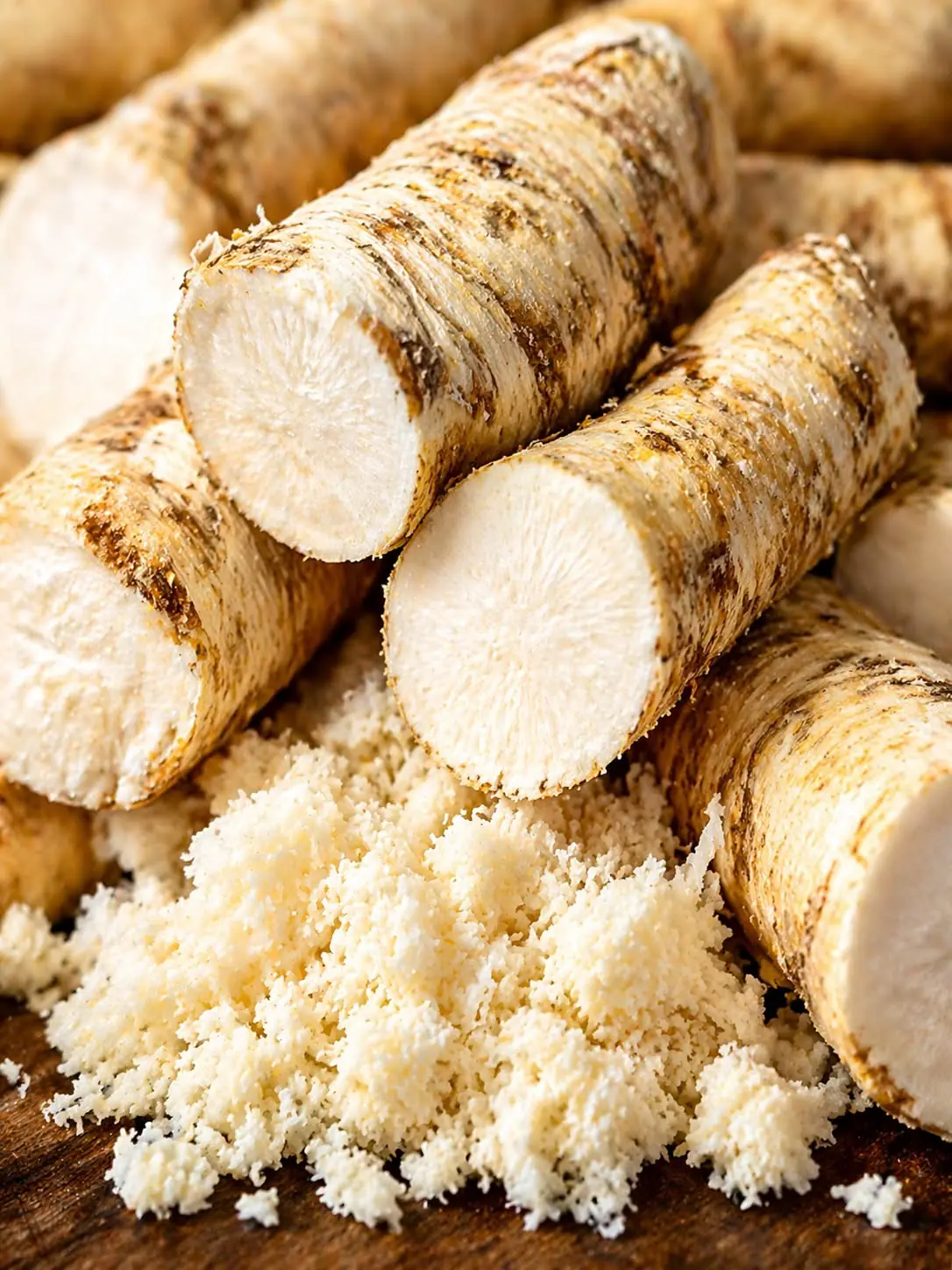
Is Horseradish Good for You? Proven Health Benefits of Horseradish (Science Based