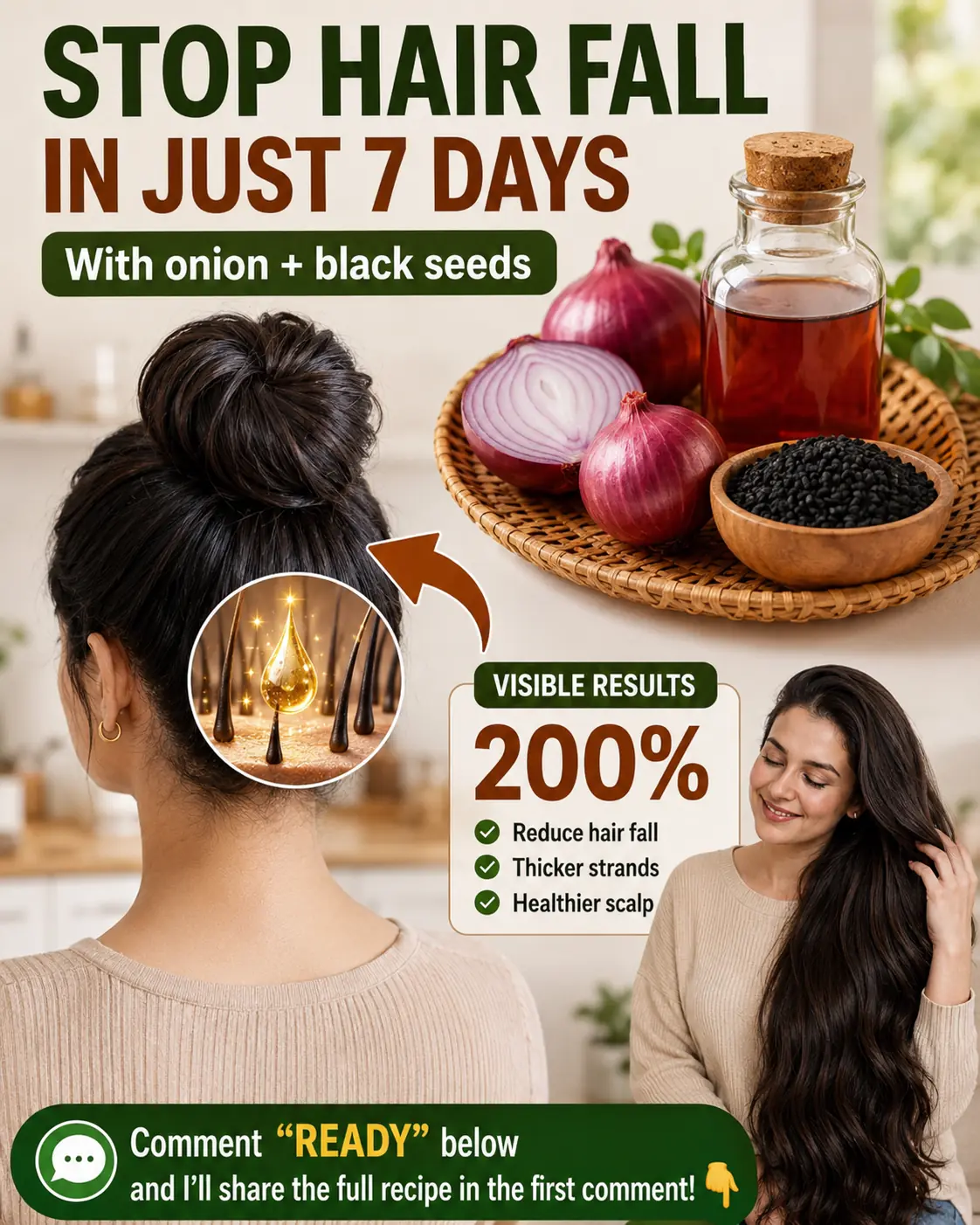
🧅 Onion Oil for Hair: A Traditional Natural Remedy for Stronger, Healthier-Looking Hair 🌿✨
Garden Healthy 18/07/2026 16:05

Discover how protein-rich seeds can support healthy aging after 70. Learn which seeds to choose, how to prepare them, and practical ways to include them in a balanced lifestyle for muscle health and everyday vitality.
Many adults notice gradual changes after the age of 70. Climbing stairs may take more effort, carrying groceries feels heavier than before, and getting up from a chair isn't quite as effortless as it once was.
These changes are common and are often linked to the natural loss of muscle mass that occurs with aging.
The encouraging news? Supporting healthy muscles doesn't always begin with an intense exercise program. Sometimes, one of the first positive steps is simply improving the quality of the foods you eat each day.
A handful of nutritious seeds may not seem impressive, but when combined with balanced meals and regular movement, they can become a valuable part of a healthy aging routine.
As we grow older, the body naturally loses muscle tissue—a process known as age-related muscle loss (sarcopenia).
While this is a normal part of aging, lifestyle habits can help support muscle maintenance.
Healthy muscles generally rely on two important factors:
Without enough dietary protein, the body may have fewer building blocks available to help maintain muscle tissue.
Many people immediately think of eggs, chicken, or dairy when they hear the word "protein."
Those foods can certainly contribute to a balanced diet, but plant foods also provide valuable nutrients.
Many seeds contain:
These nutrients help support overall wellness and can fit into a healthy eating plan.
When eaten as part of a varied diet, nutritious seeds may help:
It's important to remember that no single food can rebuild muscle on its own. Consistency across nutrition, movement, sleep, and hydration matters most.
Pumpkin seeds are among the richest seed sources of protein and magnesium.
They can be sprinkled over:
Sunflower seeds provide protein along with vitamin E and healthy fats.
Enjoy them:
Flaxseeds contain fiber, plant protein, and omega-3 fats.
Because whole flaxseeds may pass through the digestive system largely intact, grinding them helps improve availability.
Try adding ground flaxseed to:
When soaked, chia seeds develop a soft, gel-like texture that many people find easy to enjoy.
They work well in:
Hemp seeds are naturally soft and offer complete plant protein, meaning they contain all nine essential amino acids.
They can easily be sprinkled over almost any meal.
Sesame seeds provide protein, calcium, and healthy fats.
Tahini, made from ground sesame seeds, can be spread on whole-grain toast or mixed into vegetable dishes and dressings.
Preparing seeds properly may improve texture and make them easier to enjoy.
Some helpful ideas include:
A typical serving for many adults is 1–2 tablespoons daily, depending on individual nutritional needs and tolerance.
Continue your seed routine and include about 10 minutes of light activity, such as:
Small, consistent habits often produce better long-term results than dramatic changes.
Although seeds are nutritious, they may not be appropriate for everyone.
Speak with your healthcare provider before making significant dietary changes if you:
If you have a sensitive stomach, begin with very small amounts and increase gradually if well tolerated.
There is no "miracle seed" that restores youthful strength overnight.
However, protein-rich seeds can become one useful part of a healthy lifestyle that also includes:
These simple habits can help support independence, mobility, and overall well-being as you age.
Hemp seeds and pumpkin seeds are among the highest-protein seed options commonly available.
Many people enjoy seeds daily as part of a balanced diet, but portion size should fit individual nutritional needs.
Seeds contribute protein, but they generally work best alongside a variety of other protein sources rather than replacing them completely.
Even a small daily serving can contribute valuable nutrients when combined with an overall healthy eating pattern.
Growing older doesn't mean giving up your strength.
Supporting healthy muscles is often about making realistic, sustainable choices each day—not chasing quick fixes.
Adding a tablespoon or two of protein-rich seeds to balanced meals, staying active, and maintaining consistent healthy habits can all contribute to healthy aging.
Sometimes, lasting progress begins with one small step—and perhaps one simple spoonful.
Disclaimer: This article is for educational purposes only and is not medical advice. It is not intended to diagnose, treat, cure, or prevent any disease. Always consult a qualified healthcare professional before changing your diet, especially if you have underlying medical conditions or take prescription medications.




















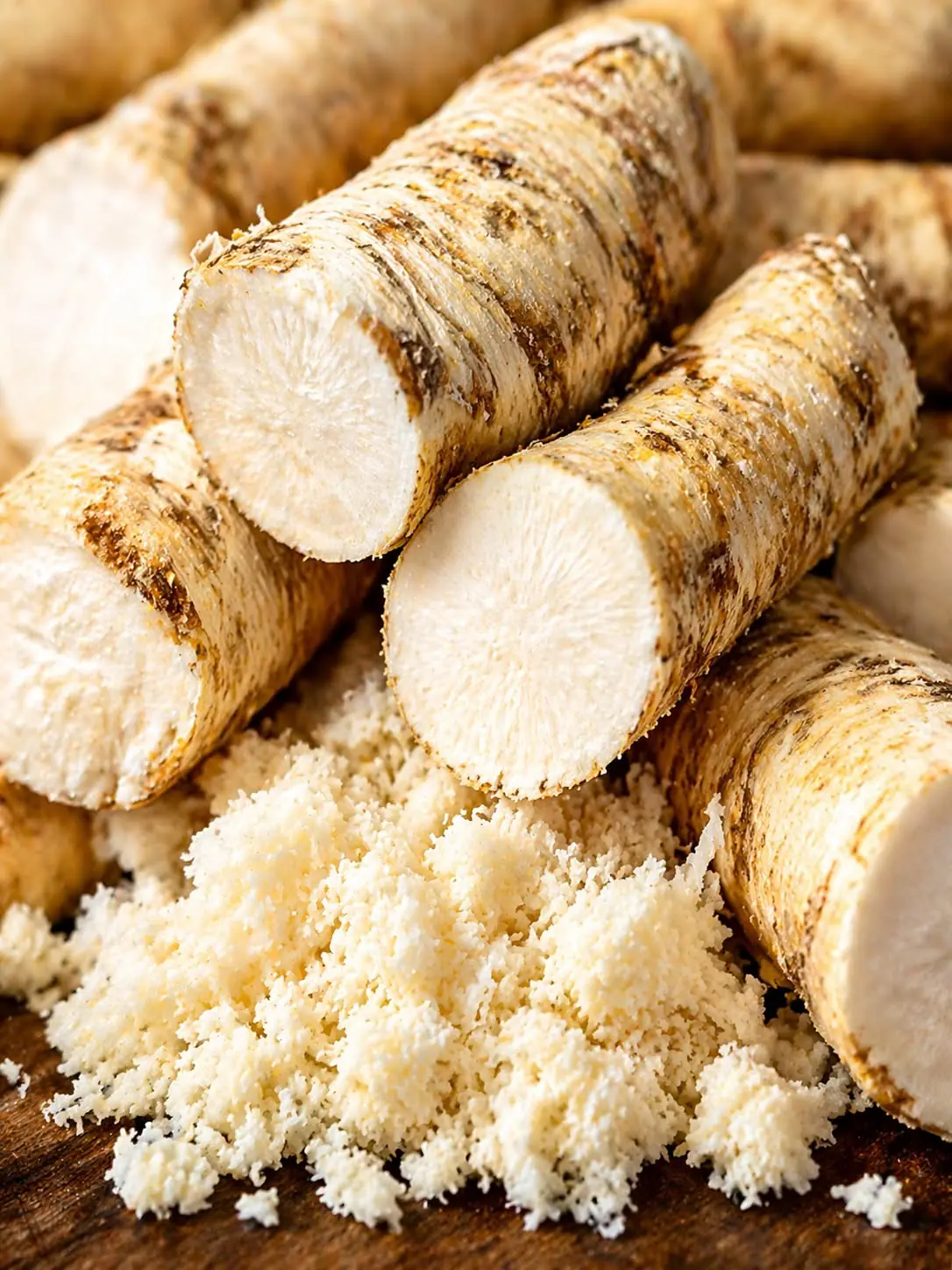
Is Horseradish Good for You? Proven Health Benefits of Horseradish (Science Based