
🧅 Onion Oil for Hair: A Traditional Natural Remedy for Stronger, Healthier-Looking Hair 🌿✨
Garden Healthy 18/07/2026 16:05
Disclaimer: This article is for educational purposes only. Soursop (Annona muricata) leaves have a long history of traditional use, but many claimed health benefits have not been confirmed by high-quality human studies. They should not be used to diagnose, treat, cure, or prevent disease, including cancer. Always consult a qualified healthcare professional before using herbal remedies, especially if you are pregnant, breastfeeding, have chronic medical conditions, or take prescription medications.
Soursop, also known as graviola (Annona muricata), is famous for its tropical fruit, but its leaves have also been used for generations in traditional herbal medicine throughout Central and South America, the Caribbean, Africa, and Southeast Asia.
The leaves are commonly prepared as teas, decoctions, baths, or topical compresses. They contain naturally occurring compounds such as flavonoids, alkaloids, and acetogenins, which are currently being studied for their biological activity. While research is ongoing, many traditional uses remain based primarily on historical practice rather than proven clinical evidence.
Choose mature leaves that are:
Deep green
Free from mold or insect damage
Clean and undamaged
Wash thoroughly before use.
Spread the leaves in a shaded, well-ventilated area.
Avoid direct sunlight to help preserve plant compounds.
Allow them to dry completely over several days until crisp.
Store dried leaves in an airtight glass container away from heat, moisture, and sunlight.
5–10 dried leaves (or several fresh leaves)
1 liter of water
Bring the water to a boil.
Add the leaves.
Simmer gently for 10–15 minutes.
Strain before drinking.
Many traditional practices recommend drinking one cup once or twice daily for short periods.
For a milder preparation:
Place several dried leaves in warm water.
Cover and let steep overnight.
Strain before drinking the following day.
Fresh leaves have traditionally been warmed, lightly crushed, wrapped in clean cloth, and applied externally over sore muscles or joints.
This method is intended for external comfort only.
A handful of leaves can be simmered in water and the strained liquid added to bathwater.
Traditional users enjoy these baths for relaxation and general skin comfort.
Fully dried leaves may be ground into a fine powder and added in small amounts to herbal preparations.
Commercial products should always be purchased from reputable suppliers.
Some traditional practices use steam prepared from boiled soursop leaves to provide temporary comfort during nasal congestion.
Avoid inhaling very hot steam to prevent burns.
Although scientific research is still developing, traditional medicine has long associated soursop leaves with the following wellness uses.
Soursop leaves contain natural antioxidant compounds that help protect cells from oxidative stress.
Traditional herbal medicine has used soursop leaves to promote comfort in joints and muscles.
More clinical research is needed to confirm these effects.
Herbal teas made from the leaves have traditionally been consumed to support digestion and ease occasional stomach discomfort.
Many people drink soursop leaf tea in the evening because it is traditionally believed to have calming properties that encourage relaxation.
Evidence in humans remains limited.
Like many herbs rich in plant compounds, soursop leaves may contribute to a healthy diet that supports normal immune function.
Some preliminary laboratory and animal studies have investigated the effects of soursop leaves on blood glucose regulation.
People with diabetes should never replace prescribed treatment with herbal remedies and should consult their healthcare provider before use.
Leaf baths and compresses have long been used to soothe minor skin irritation.
Stop use immediately if irritation develops.
In traditional medicine, soursop leaves have also been used to support:
Urinary health
Respiratory comfort
Joint mobility
Overall vitality
These traditional uses require additional scientific study.
Soursop leaves contain compounds called acetogenins, which have shown interesting activity against certain cancer cells in laboratory experiments.
However, there is currently no reliable clinical evidence that soursop leaves prevent or treat cancer in humans.
They should never be used as an alternative to evidence-based cancer care.
Although natural, soursop leaves contain biologically active compounds and should be used with care.
Avoid use if you:
Are pregnant or breastfeeding
Have Parkinson's disease or other neurological disorders
Have chronically low blood pressure
Take medications for blood pressure or diabetes unless approved by your healthcare provider
Possible side effects from excessive or prolonged use may include:
Nausea
Digestive upset
Low blood pressure
Possible effects on the nervous system with long-term, high-dose use
Moderation is recommended, and many traditional practices use the herb only for limited periods rather than continuously.
Soursop leaves have earned an important place in traditional herbal medicine thanks to their long history of use in teas, baths, compresses, and other simple home preparations. They contain a variety of naturally occurring plant compounds that continue to attract scientific interest for their antioxidant and other biological properties.
While early research is promising in some areas, many claimed health benefits remain unproven in humans. The safest approach is to enjoy soursop leaves as a traditional herbal supplement—used responsibly, in moderation, and alongside, not instead of, evidence-based medical care.
If you found this guide informative, consider sharing it with friends and family who are interested in traditional herbs and natural wellness.
























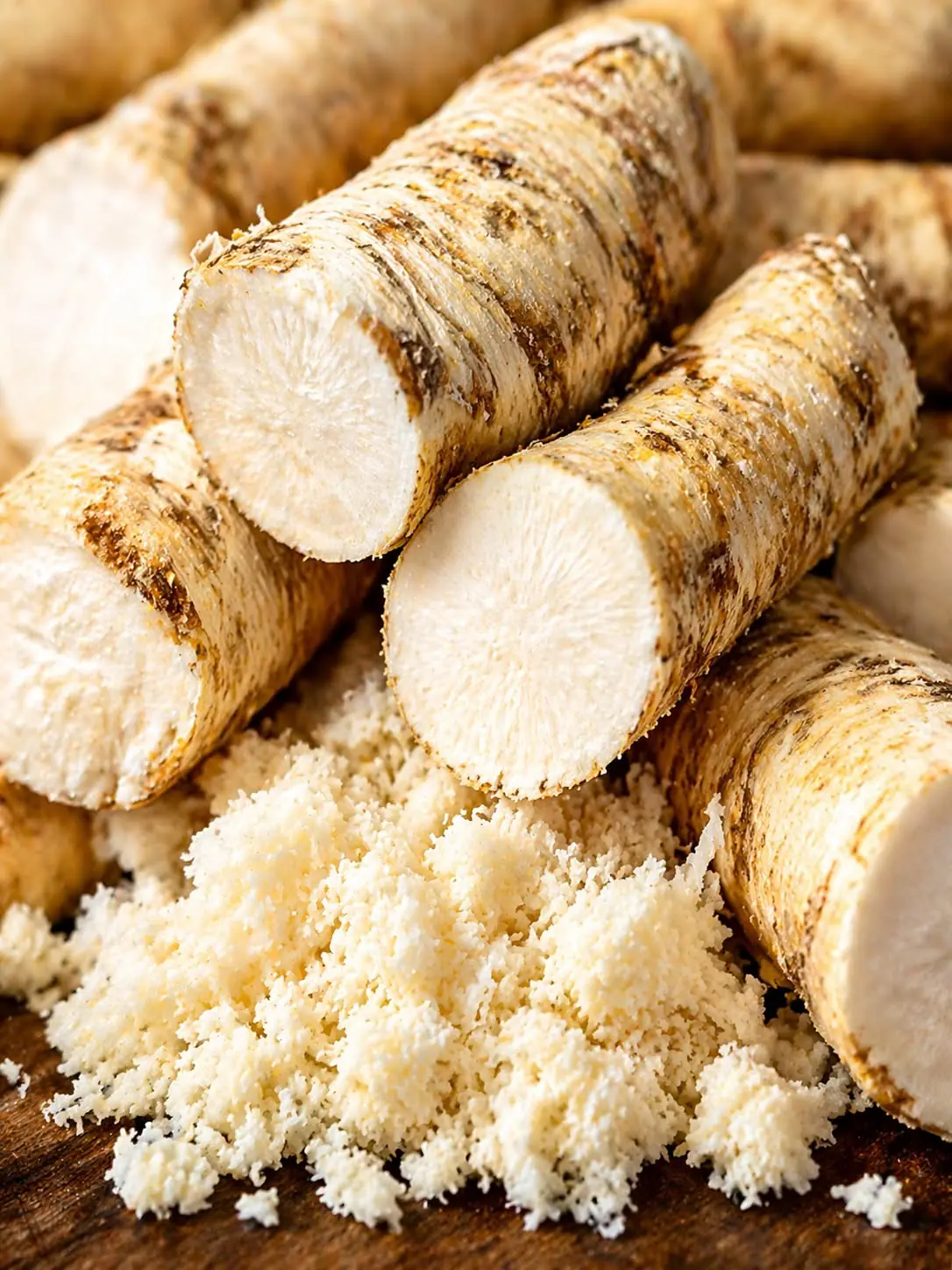
Is Horseradish Good for You? Proven Health Benefits of Horseradish (Science Based