When buying pork, is it better to choose cuts with a darker or lighter color to determine freshness and quality?
Tips 15/12/2025 18:56
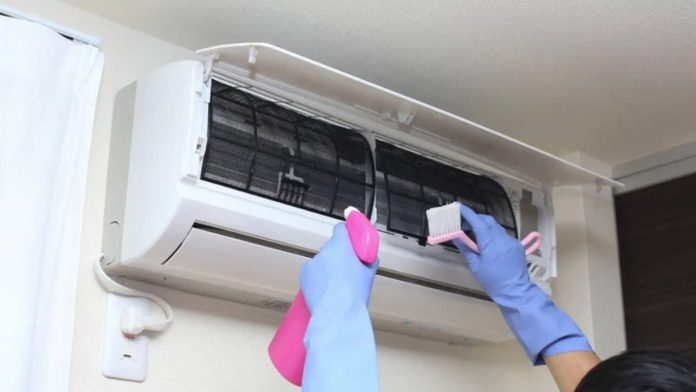
Regular air conditioner maintenance not only helps the unit operate more efficiently but also significantly extends its lifespan. This guide will show you how to clean your air conditioner at home in a simple, safe, and cost-effective way—without the need for professional tools or advanced technical skills.
Air conditioners have become an essential appliance in many households, especially during hot and humid summer months. However, after a period of continuous use, dust and dirt can accumulate on the indoor unit, outdoor unit, and air filters. This buildup can cause the air conditioner to cool less effectively, consume more electricity, emit unpleasant odors, and become more prone to breakdowns. Routine cleaning not only improves performance but also helps protect your health by maintaining cleaner indoor air.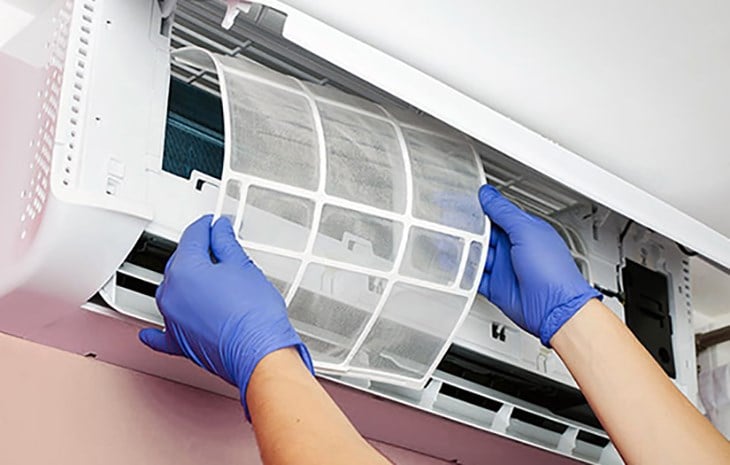
The ideal cleaning frequency depends on how often the air conditioner is used and the surrounding environment:
Households with moderate to heavy use: Clean every 3–4 months.
Offices, restaurants, cafés: Clean every 2–3 months due to higher usage and foot traffic.
Factories and workshops: Clean monthly because of dust, smoke, and continuous operation.
In addition, your air conditioner likely needs immediate cleaning if you notice any of the following signs:
The unit runs weakly or takes longer than usual to cool the room
Musty, damp, or unpleasant odors when the unit is turned on
Unusual noises coming from the indoor unit
A sudden and unexplained increase in electricity bills
Ignoring these signs can lead to more serious damage and higher repair costs over time.
To clean your air conditioner at home, prepare the following basic items:
Screwdriver for removing the unit cover
Clean, dry, soft cloths
Soft-bristle brush or specialized cleaning brush
Spray bottle or mist sprayer
Air conditioner cleaning solution (available at supermarkets or appliance stores)
Large plastic sheet or tarp to catch dirty water
Mini vacuum cleaner (optional but helpful)
Small ladder if the unit is installed high on the wall
Having all tools ready beforehand will help the cleaning process go smoothly and efficiently.
Never clean your air conditioner while it is still connected to electricity. Unplug the unit or switch off the circuit breaker to ensure absolute safety throughout the cleaning process.
Open the front cover carefully: Use a screwdriver if necessary, and avoid applying excessive force to prevent breaking the clips.
Remove and clean the air filters: This is where most dust accumulates. You can vacuum them or wash them with warm water and mild soap. Let them dry completely before reinstalling.
Spray cleaning solution on the evaporator coils: Avoid spraying directly onto circuit boards or electrical components.
Wipe gently: Use a clean cloth to wipe vents, fan blades, and the front panel.
Tip: An old toothbrush works well for cleaning small gaps and hard-to-reach areas between cooling fins.
The outdoor unit is exposed to dust, leaves, insects, and debris, which can severely reduce cooling efficiency.
Remove the protective cover if applicable
Spray water from top to bottom to rinse away dirt
Use a soft brush to clean the fan and aluminum fins
Wipe dry and ensure there is no standing water
Reinstall all removed parts securely
Important: Do not use high-pressure water jets, as they may bend the aluminum fins or damage internal components.
Reinstall the air filters and front cover
Restore the power supply
Turn on the air conditioner and check its operation
Ensure the unit cools faster, runs smoothly, and produces no unusual noises or leaks
This final check helps confirm that the cleaning was done correctly.
Avoid cleaning the outdoor unit during rain or wet weather
Never spray water or chemicals directly onto electronic circuit boards
If you feel unsure at any point, hire a professional technician
Do not wait until the unit breaks down before cleaning—preventive maintenance is always cheaper and safer
Lower electricity bills: A clean unit cools faster and consumes less power
Healthier indoor air: Reduces bacteria, mold, and allergens that can cause respiratory issues
Longer lifespan: Proper maintenance helps the air conditioner operate reliably for many years
Early problem detection: Regular cleaning allows you to spot technical issues before they worsen
Cleaning your air conditioner at home is not complicated if you understand the process and prepare the necessary tools. Spending just 30–45 minutes on routine maintenance can refresh your unit, improve indoor air quality, and create a more comfortable living environment. Don’t wait until your air conditioner starts malfunctioning—take proactive care of it, and you’ll clearly feel the difference in performance and comfort.