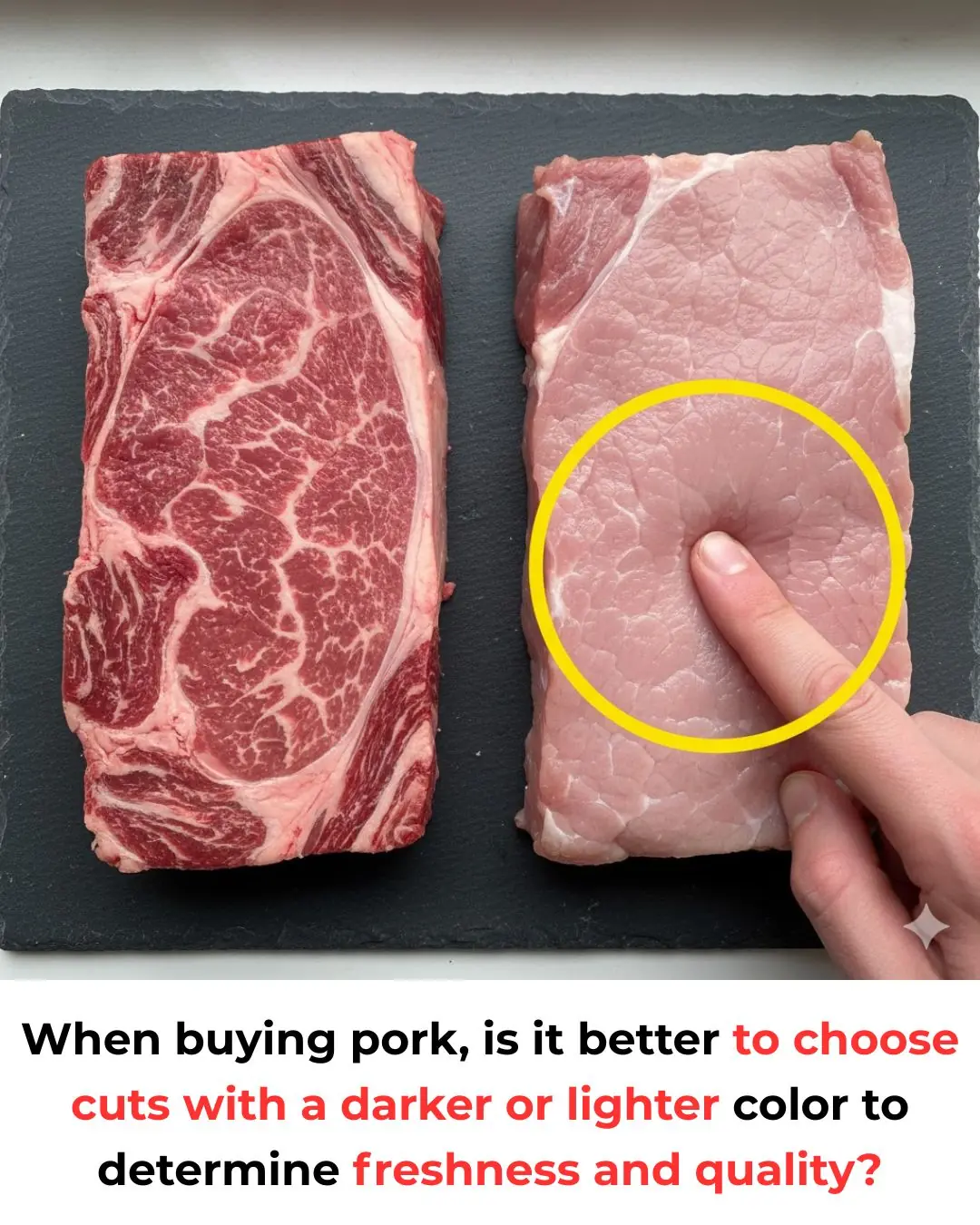
When buying pork, is it better to choose cuts with a darker or lighter color to determine freshness and quality?
Tips 15/12/2025 18:56
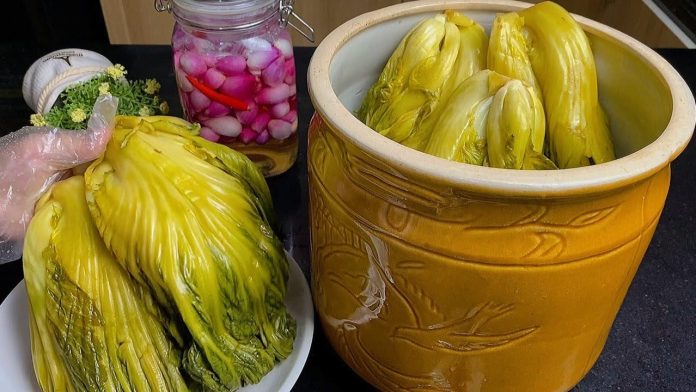
Pickled mustard greens are a familiar and much-loved dish in Vietnamese households. With their pleasantly sour taste and crunchy texture, they help stimulate the appetite and make meals more enjoyable, especially when eaten with rice. Because of their popularity, many families prefer to prepare pickled vegetables at home to ensure freshness, cleanliness, and flavor that suits their taste.
Below are several simple and effective ways to make delicious pickled vegetables commonly used in Vietnamese cuisine.
The most common vegetable used for pickling is mustard greens. Choose mature plants with thick stems and firm leaves. Separate the leaves, discard any damaged or yellow ones, and wash thoroughly.
Spread the greens under the sun for one day until slightly wilted. This step is important because it helps the vegetables ferment evenly, prevents sogginess, and results in a crisp final product.
Rinse the wilted greens again to remove dust, drain well, and cut into bite-sized pieces. You may also pickle the whole stalks if preferred.
Boil water and let it cool until warm (use approximately 1 liter of water for every 1 kg of mustard greens). Add 60 g of salt and 20 g of sugar, stirring until completely dissolved. Boiling the water beforehand helps eliminate bacteria, preventing mold, slime, or surface film during fermentation.
Clean the pickling jar thoroughly—glass jars are recommended—and rinse with boiling water to sterilize.
Place the mustard greens into the jar, arranging the stems at the bottom and the leaves on top to ensure even fermentation. Pour in the brine until the vegetables are fully submerged. For enhanced flavor, add a few peeled shallots and fresh chilies. A small amount of vinegar may also be added to speed up fermentation and create a brighter sour taste.
Use a plate or bamboo weight to keep the vegetables submerged. After 2–3 days, depending on room temperature and personal preference, the pickles will be ready. Store the jar in a cool, shaded place away from direct sunlight.
Pickled cabbage ferments quickly, so it is best to prepare only enough for short-term use. Any leftovers should be tightly covered and stored in the refrigerator, where they can be kept for 1–2 days.
1 white cabbage (about 2 kg)
1 carrot
A small bunch of celery
A small bunch of Vietnamese coriander
1 liter warm boiled water
60 g salt
20 g sugar
2 teaspoons vinegar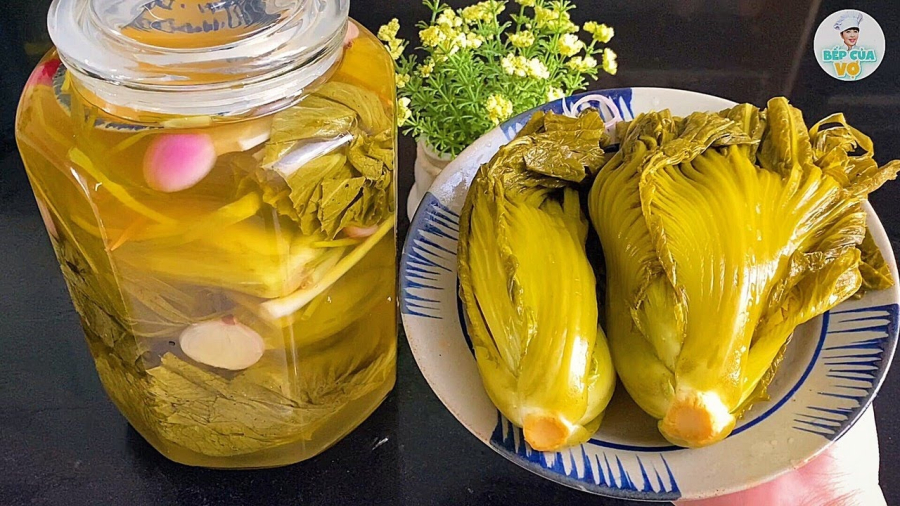
Separate and wash the cabbage leaves, then shred finely. Peel and julienne the carrot. Trim the celery and cut into 5 cm pieces. Rinse and finely chop the Vietnamese coriander. Mix all vegetables together evenly.
Dissolve salt, sugar, and vinegar in warm water. Place the vegetables into a sterilized jar, pour in the brine, and press them down so they remain submerged. After about one day, the pickled cabbage will be ready to eat. This dish pairs especially well with braised meats, fried foods, or grilled dishes, helping reduce greasiness and enhance flavor.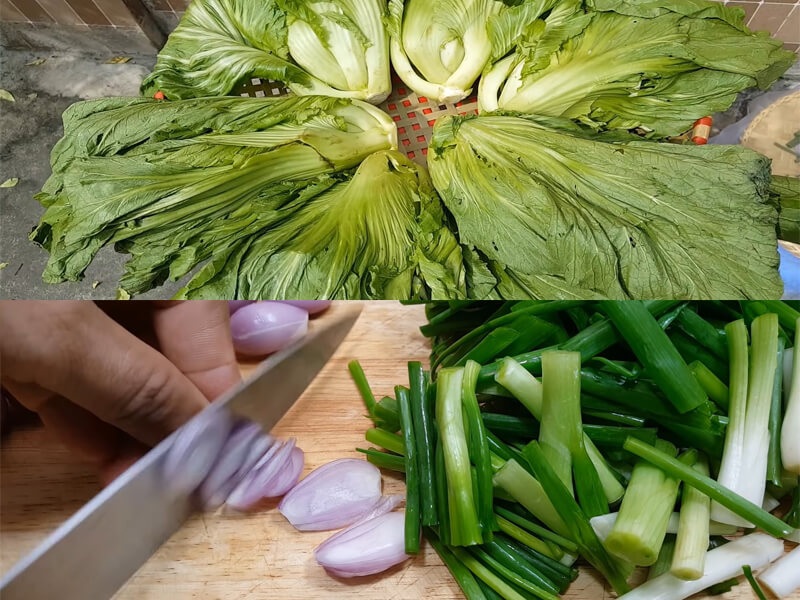
1 kg radish greens
1 liter warm boiled water
60 g salt
20 g sugar
2 tablespoons vinegar
A small bunch of scallions
Remove old or damaged leaves, wash thoroughly, and separate the greens from the roots. Cut the leaves and stems into 3–4 cm pieces. Peel the radish roots, remove the outer skin and roots, then slice thinly.
Sun-dry the vegetables for one day until wilted, rinse again, and drain well. Mix salt, sugar, and vinegar into the warm water until dissolved.
Combine the radish slices with the greens and place them into a sterilized glass jar. Pour in the brine until fully covered, then press down with a weight. After 2–3 days, the pickles will be ready to enjoy.
The pickled vegetables should have a golden color, a crisp texture, and a mild, pleasant aroma—signs of successful fermentation.
Many vegetables can be pickled in a similar way, and they generally share certain characteristics: a sour taste, high sodium content, and strong appetite-stimulating properties. Therefore, some precautions should be observed:
Do not eat pickled vegetables on an empty stomach. If desired, eat rice first and wait 10–15 minutes before consuming them.
Avoid eating pickles that are still bright green, overly pungent, discolored, or have unusual odors or surface film.
Do not consume pickles that are slimy while the brine appears clear or milky white, as this may indicate spoilage and improper handling.
Adults should limit intake to about 50 g per meal and avoid eating pickles continuously over many days. Ideally, consume them only 2–3 times per week.
Children who can eat rice should generally avoid pickled vegetables. Children over 10 years old may consume up to 20 g per meal, no more than once a week.
Pickled vegetables are best eaten cooked or combined with other foods rather than on their own.
Pregnant women and people with digestive, liver, kidney, or cardiovascular conditions should strictly avoid pickled vegetables.