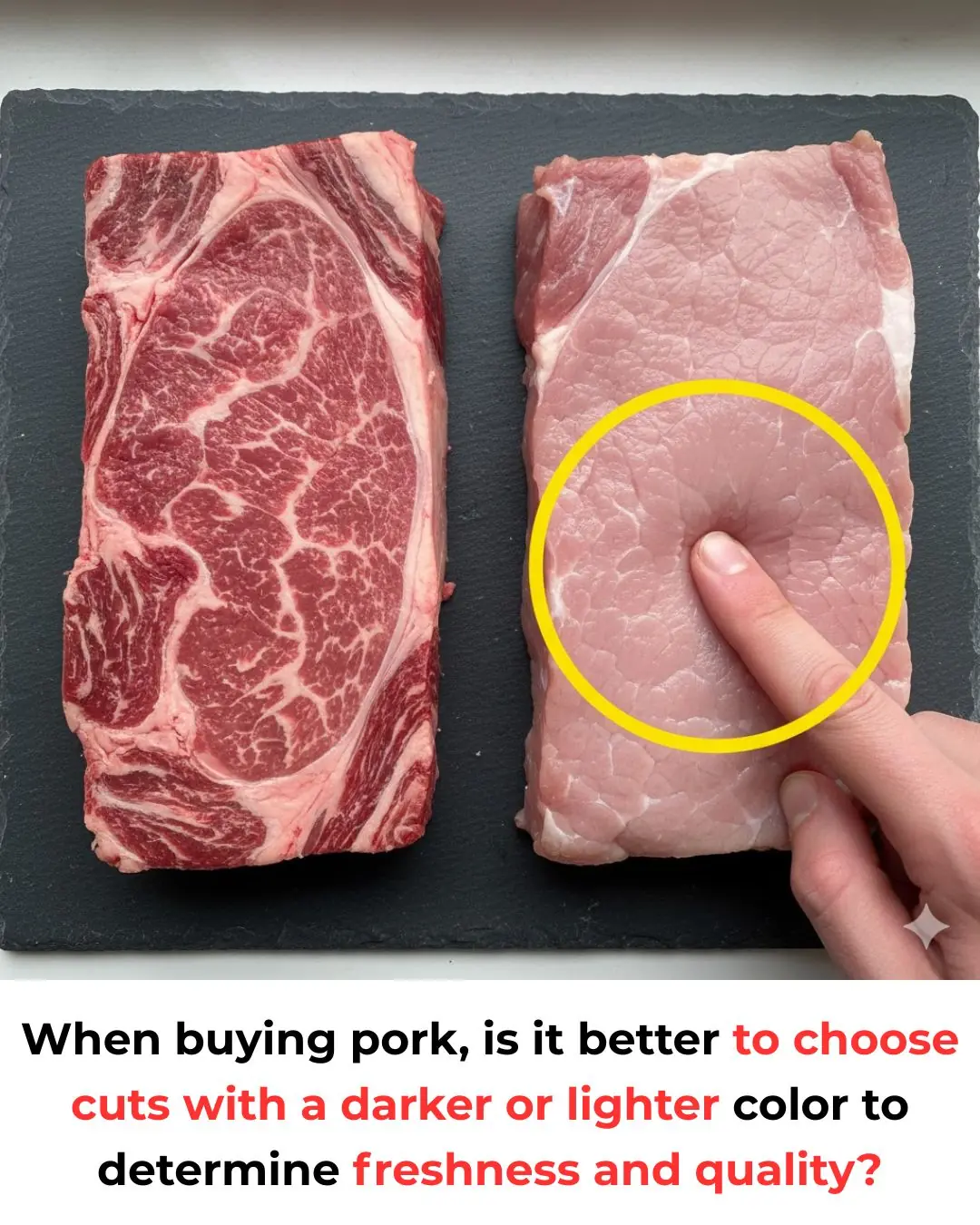
When buying pork, is it better to choose cuts with a darker or lighter color to determine freshness and quality?
Tips 15/12/2025 18:56
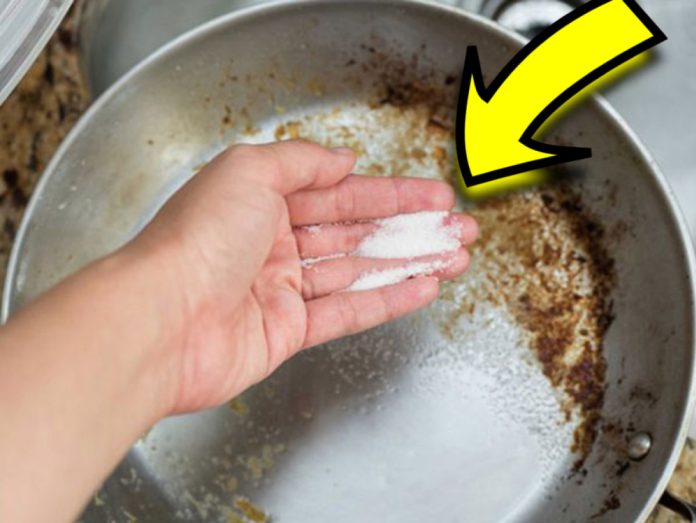
Over time, both regular frying pans and non-stick pans tend to lose their effectiveness, causing food to stick during frying or stir-frying. This not only makes cooking more difficult but also affects the appearance and taste of dishes. So how can you prevent food from sticking to the pan? Below are several simple, practical, and easy-to-follow tips that can help restore smooth cooking and extend the life of your pan.
Nowadays, cooking fried foods has become much easier thanks to non-stick coatings. However, once that coating wears off, almost anything you fry will stick to the surface, causing food to break apart and lose its visual appeal. Fortunately, with a few clever techniques, you can still cook successfully even if the non-stick layer has deteriorated. These methods allow you to make the most of an old pan and delay the need for replacement.
Most modern non-stick cookware is coated with Teflon, also known as polytetrafluoroethylene (PTFE). This transparent substance was accidentally discovered in 1938 for military use. By 1951, it was applied to metal cookware, creating a smooth, wax-like surface that is easy to clean and highly convenient for everyday cooking.
When manufactured to proper safety standards, Teflon coatings on cookware are not harmful. Even if tiny flakes of Teflon are ingested, they are not absorbed by the body and are excreted naturally. However, overheating non-stick pans is a different matter. Scientists and manufacturers warn against cooking at excessively high temperatures, as this can cause the coating to degrade. In general, non-stick pans should only be used for about 2–3 years to ensure safety and performance.
If you want to continue using a worn pan without spending money on a new one, try the method below. It works particularly well for frying fish, eggs, and other delicate foods, preventing them from sticking or breaking apart.
Step 1: Place the pan on the stove and heat it until completely dry and hot. To test, sprinkle in a spoonful of water—if the water sizzles and evaporates quickly, the pan is ready.
Step 2: Add cooking oil or fat to the pan and wait until the oil begins to bubble slightly.
Step 3: Add the egg, fish, or other food and begin frying.
Important note: Make sure the fish or food is completely dry before frying. Any remaining moisture can cause oil splatter and increase the likelihood of sticking.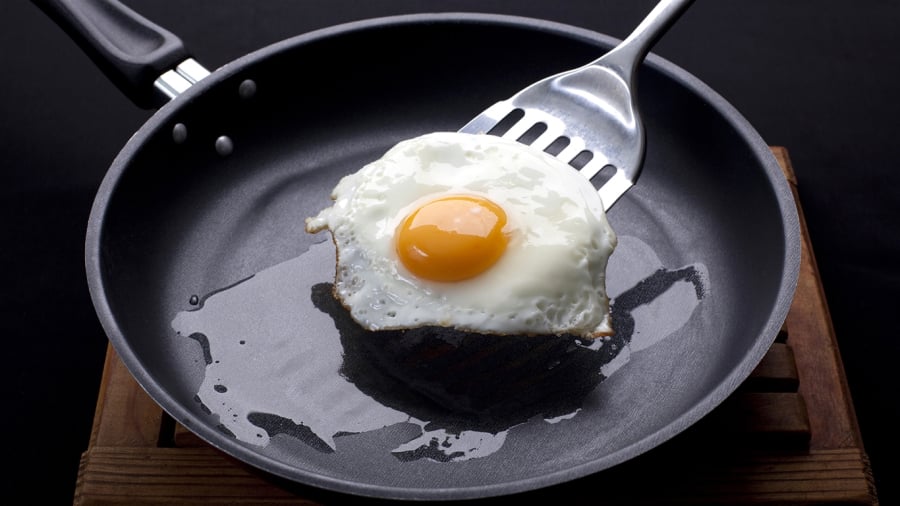
• Clean new pans with coffee grounds
When you buy a new non-stick pan, wash it once with dish soap to remove dust and manufacturing residue. Then gently heat the pan with a small amount of coffee grounds before rinsing it again with clean water. This method helps eliminate unpleasant odors from the coating and leaves the pan fresh and ready for use.
• Add oil before heating the pan
Always pour oil into a dry pan before placing it on the stove. Avoid heating an empty pan and then adding oil, as this can damage the non-stick coating, reduce the pan’s lifespan, and potentially release harmful substances.
In addition, non-stick pans require less oil than regular pans. Using minimal oil not only protects the coating but also supports healthier cooking. In some cases, you can even fry eggs or toast bread without oil at all.
• Cook over low to medium heat
High temperatures can cause non-stick coatings to break down and release harmful fumes. For safety and durability, cook over low or medium heat. If the pan begins to smoke, reduce the heat immediately. Gentle heat helps preserve the coating and ensures long-term use.
• Avoid grilling or braising with non-stick pans
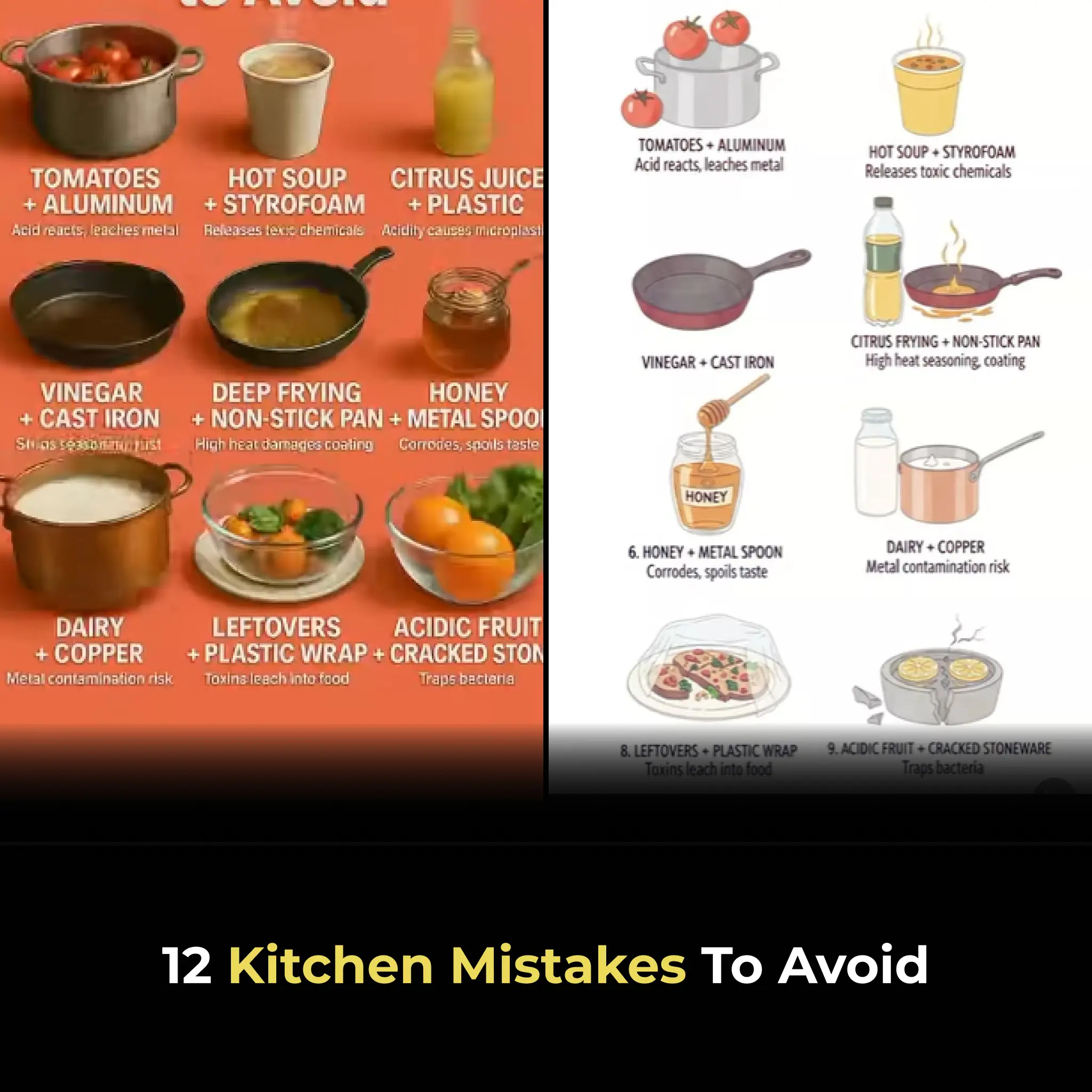
Cooking methods that require prolonged high heat, such as grilling or braising, can quickly damage non-stick coatings. These techniques are better suited for stainless steel or cast-iron cookware.
• Never use non-stick pans in the oven
Manufacturers generally advise against using non-stick pans in ovens due to extreme heat exposure. High temperatures can cause the coating to peel and contaminate food, posing potential health risks.
• Do not season food directly in the hot pan
Adding salt or fish sauce directly to a hot pan can cause the coating to pit and degrade faster. Instead, season food beforehand or dilute seasonings before adding them.
You should also avoid storing food in non-stick pans. Prolonged contact between food and the pan’s surface can accelerate coating deterioration.
• Avoid metal utensils
Do not use knives, forks, metal spatulas, or tongs when cooking with non-stick pans. These can scratch and destroy the coating. Opt for wooden, bamboo, or silicone utensils, and clean the pan with a soft sponge or cloth.
• Do not overheat the pan before adding oil
Heating an empty pan at high temperatures can significantly shorten its lifespan. Only heat the pan until dry, then add oil promptly.
• Clean gently after use
Non-stick pans are easy to clean and do not require heavy scrubbing. Use the soft side of a sponge and wash gently. Avoid abrasive pads, which can cause the coating to peel and wear out prematurely.