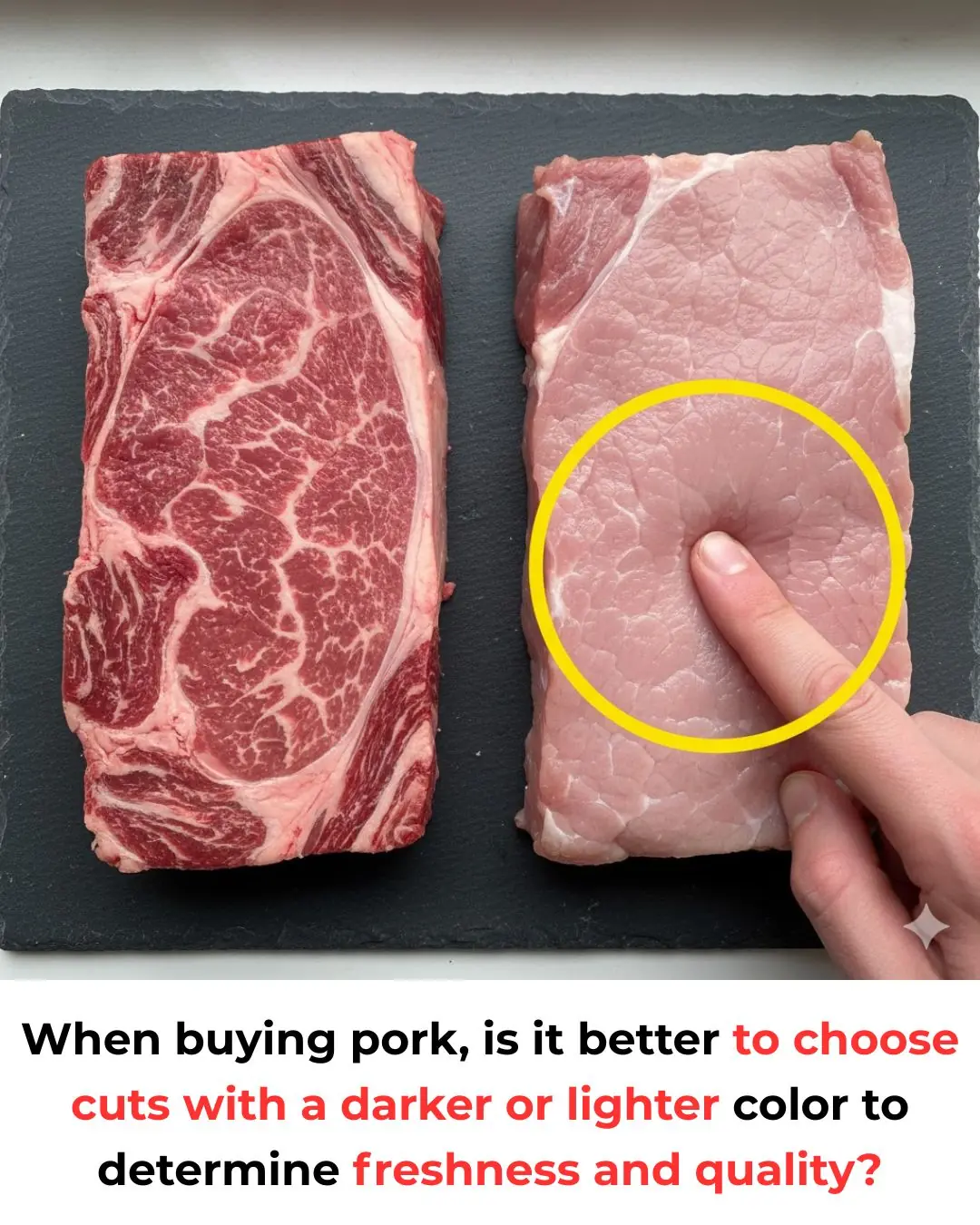
When buying pork, is it better to choose cuts with a darker or lighter color to determine freshness and quality?
Tips 15/12/2025 18:56

In recent years, concerns about seafood safety have increased, particularly regarding the illegal use of urea to preserve fish. Urea is sometimes used to keep fish looking fresh for longer, but it poses serious health risks. Knowing how to recognize fish contaminated with urea can help protect you and your family from potential harm.
When buying fresh fish, pay close attention to the eyes. Fresh fish have eyes that are clear, bright, and slightly bulging, with an elastic and smooth cornea. In contrast, spoiled or urea-treated fish often have sunken eyes that appear cloudy or milky. The cornea may look wrinkled, dull, or even torn, which is a strong sign that the fish is no longer fresh.
The gills are one of the most reliable indicators of freshness. Fresh fish have gills that are bright pink or red, firmly attached to the gill arches, free of slime, and without any unpleasant odor. Spoiled fish, or fish that has been treated with chemicals, typically has gray or brownish gills. These gills may feel slimy, detach easily, and emit a strong, foul smell.
Fresh fish have shiny, glossy scales that cling tightly to the body. The skin is clean, moist, and free from sticky mucus or bad odors. On the other hand, fish that has gone bad often has dull, lifeless scales that come off easily. The skin may produce an unpleasant smell, signaling possible spoilage or chemical contamination.
To check the flesh, gently press your fingertip into the fish’s body. Fresh fish flesh is firm, elastic, and quickly returns to its original shape without leaving an indentation. Fish that is spoiled or contaminated with urea tends to have soft flesh with poor elasticity, and the indentation remains visible. Such fish should not be purchased or consumed.
Fresh sea fish usually have tightly closed mouths. If the fish’s mouth is open or loose, it may be a sign of spoilage. Additionally, sea fish that has been frozen for too long or improperly stored often shows missing or loosened teeth, indicating a decline in quality.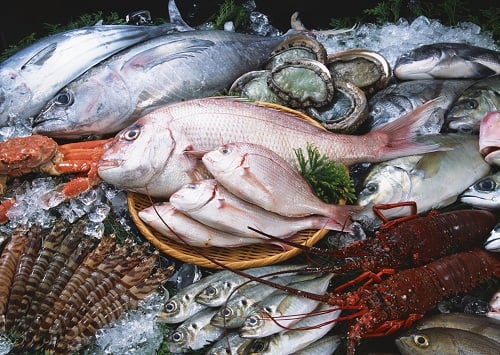
Eating fish preserved with urea can have serious consequences for human health, especially when consumed repeatedly over time.
Urea can decompose into ammonia, a toxic substance. When ingested, it may cause food poisoning symptoms such as nausea, vomiting, abdominal pain, and diarrhea. In severe cases, it can lead to dehydration and hospitalization.
Urea is a waste product normally excreted by the human body. Excessive intake through contaminated food forces the liver and kidneys to work harder to eliminate it, potentially leading to long-term damage or reduced organ function.
Regular consumption of foods containing harmful chemicals can cause toxins to accumulate in the body. Over time, this may contribute to chronic illnesses and increase the risk of serious diseases, including cancer.
Urea can disrupt the digestive tract, causing intestinal irritation and imbalance of gut microbiota. This may result in poor digestion, reduced nutrient absorption, and ongoing gastrointestinal discomfort.
Being able to recognize the signs of urea-contaminated fish is essential for maintaining good health. Always inspect fish carefully before buying, choose reputable vendors, and avoid fish that shows any signs of spoilage or chemical treatment. A cautious choice today can help prevent serious health problems in the future.