When buying pork, is it better to choose cuts with a darker or lighter color to determine freshness and quality?
Tips 15/12/2025 18:56
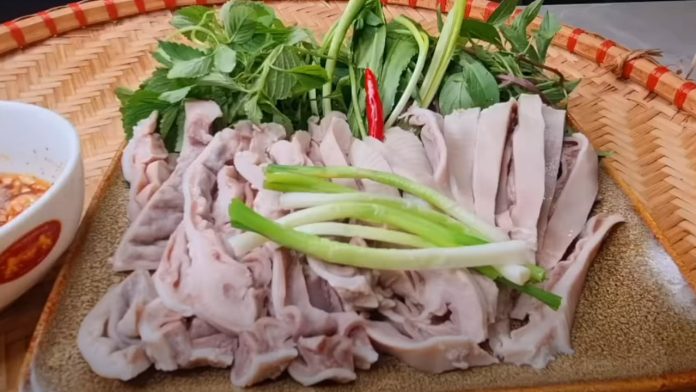
Secrets to Boiling Pork Stomach So It’s Odor-Free and Perfectly Crunchy
When boiling pork stomach, there are a few essential tips you need to know to ensure the final dish is free from unpleasant odors and retains a delightfully crunchy texture. Pork stomach (also known as pork tripe) is a familiar ingredient used to prepare many appealing dishes. Among them, boiled pork stomach is the simplest and most popular. However, the preparation stage plays a crucial role. Fresh pork stomach often comes with slime and a strong smell, so it must be thoroughly cleaned before cooking.
To clean a standard-sized pork stomach, prepare one fresh lemon and about four tablespoons of flour.
Turn the inside of the pork stomach outward. Rub the surface with flour and sliced lemon, squeezing firmly so the lemon juice is released. This helps break down slime and neutralize unpleasant odors.
The flour absorbs the mucus effectively. Rinse the pork stomach several times under clean running water until it is completely free of slime and smell.
Salt and vinegar are also highly effective natural deodorizing agents.
Turn the pork stomach inside out, then add about three tablespoons of coarse salt and half a bowl of vinegar (rice vinegar, fermented vinegar, or apple cider vinegar all work well).
Massage thoroughly to remove slime and odor, then rinse repeatedly with clean water. Pork stomach must be cleaned very carefully before boiling to ensure good flavor and food safety.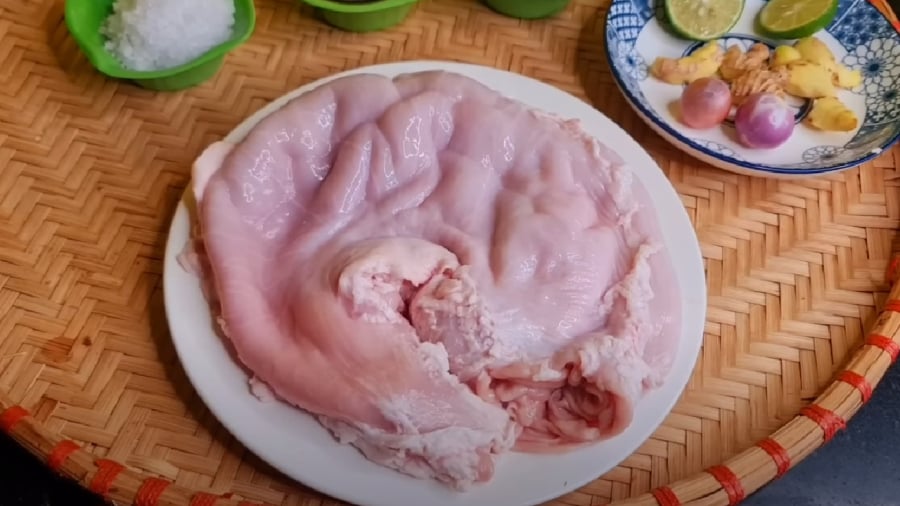
Another lesser-known method is rubbing the pork stomach with fish sauce. The high salt content helps eliminate slime and odor. For best results, use a strong, high-quality fish sauce. Because fish sauce has a distinctive smell, it’s advisable to wear gloves during this step.
After cleaning the pork stomach using one of the methods above, briefly blanch it in a pot of boiling water for a few seconds. Immediately transfer it to cold water, turn it inside out again, and use a knife to scrape away any remaining impurities. Rinse thoroughly several more times until completely clean.
This blanching step not only removes lingering odors but also helps the pork stomach firm up slightly before boiling.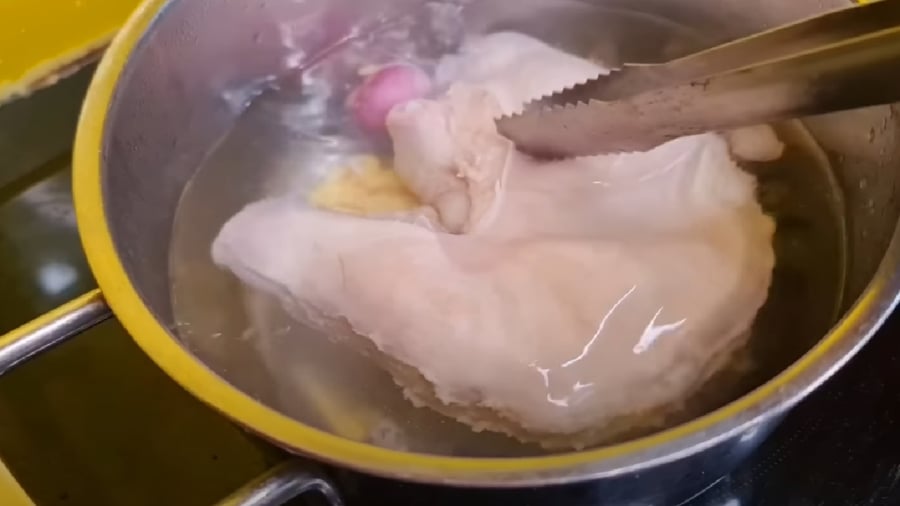
Add enough water to a pot to fully submerge the pork stomach. Include crushed ginger, lemongrass, and a few peppercorns (or ginger and smashed onions). These aromatics help eliminate odors and enhance the overall flavor.
Wait until the water reaches a rolling boil before adding the pork stomach. Use chopsticks or tongs to press it fully into the water.
Prepare a basin of cooled boiled water with ice cubes and a few slices of lemon.
After boiling for about 4–5 minutes, remove the pork stomach and immediately soak it in the ice water. Once cooled, bring the pot of water back to a boil and return the pork stomach for a second boil. Depending on its size, the total boiling time may range from 20 to 30 minutes.
Once fully cooked, remove the pork stomach and soak it in ice water one more time. This step helps make the pork stomach whiter, firmer, and crunchier.
Allow the pork stomach to cool slightly, then drain well. Slice into bite-sized pieces and arrange neatly on a plate. If you prefer to serve it hot, you can briefly steam it again for a few minutes.
Boiled pork stomach is best enjoyed with garlic-chili fish sauce, scallion sauce, or shrimp paste, and pairs wonderfully with blanched scallions and fresh herbs such as Vietnamese mint. Prepared correctly, this simple dish becomes irresistibly crisp, aromatic, and satisfying.