People with heart problems should avoid these 4 things to reduce stimulation to the heart
Health 16/12/2025 19:18
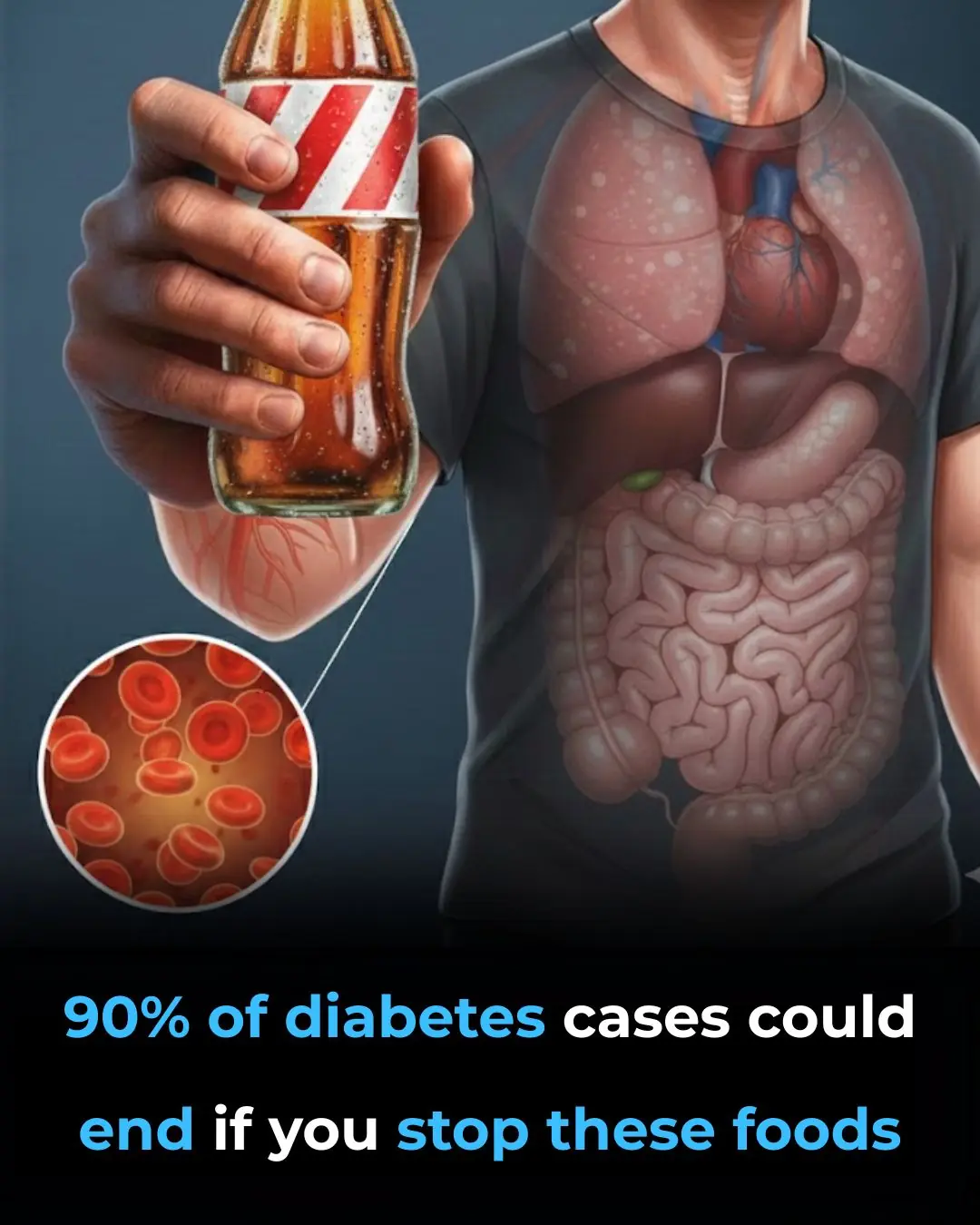
Are you tired of hearing that cutting carbs is the only way to manage your type 2 diabetes? If you’re searching for smarter, science-backed strategies to stabilize blood sugar—without slashing every potato, grain, or piece of bread from your diet—then read on. You might be surprised by how small tweaks can make a big difference in your blood glucose journey.
Lowering blood sugar doesn’t always mean going super-low-carb.
Tweaking meal timing, food order, and preparation can lead to steady energy and reduced cravings.
Science shows that simple changes—like adding fiber, healthy fats, or a walk after eating—can make meals friendlier for your glucose levels.
Let’s break down nine surprising strategies you can use to keep your blood glucose in check without cutting out all the foods you love. (Based on the expertise of Dr. Jason Fung)
Carbohydrates are the body’s main source of glucose. So, naturally, eating lots of carbs—especially refined ones like white bread, rice, and potatoes—can spike your blood sugar. But rather than eliminating carbs completely, consider shifting toward a lower-carb diet. Cutting back (rather than cutting out) can make a significant difference in your blood sugar levels, while still letting you enjoy a variety of foods. Focus on quality, not only quantity.
Giving your body a break from eating—even just for 12 to 16 hours overnight—can help it burn off excess glucose. Intermittent fasting improves insulin sensitivity and prevents constant spikes and crashes. Not eating for a set period lets your system use up stored energy, including glucose in your bloodstream.
Not all carbs are built the same! Fiber-rich foods like vegetables, beans, nuts, and whole grains slow down the absorption of carbohydrates. Because your body can’t digest fiber, it doesn’t contribute to high blood sugar. Filling your plate with more fibrous foods helps you feel full longer and ensures your blood sugar rises more gently after meals.
Unrefined carbs—like steel-cut oats, whole grains, fruits, and vegetables—break down more slowly than “fast” carbs such as white bread or instant oats. A Harvard study found people who ate minimally processed carbs experienced smoother, less dramatic blood sugar spikes and felt less hungry later. Slow carbs help keep energy stable and cravings at bay.
This simple trick can make a surprisingly big difference. When you eat carbs first, they’re absorbed quickly, causing sharp spikes in blood sugar. But if you start your meal with protein and vegetables, then eat your carbs last, digestion slows and your glucose rises gradually instead of suddenly. Studies show this method keeps blood sugar far more stable—even when eating the exact same foods.
“Naked carbs” are carbs eaten alone. Bread, crackers, or rice by themselves can send your blood sugar soaring. Pairing carbs with healthy fats (like olive oil or butter) or acidic foods (like vinegar or lemon juice) slows digestion and smooths out glucose spikes. Research shows that adding butter or olive oil to bread lowers its glycemic response, and vinegar can even reduce activity of the enzymes that break down carbs.
Resistant starch is a type of carbohydrate your body cannot digest or absorb. Cooking and then cooling foods like rice or potatoes increases their resistant starch content. This means less glucose enters your bloodstream, and more beneficial fiber reaches your gut. Try cold rice salads or cold potato salads with a splash of vinegar for an added blood sugar bonus. (Note: reheating potatoes removes this benefit.)
Light exercise after eating is a powerful tool. A brisk 10–20 minute walk within 30 minutes of a meal signals your muscles to use the glucose you just consumed, naturally lowering your blood sugar. Studies show walking after a meal is more effective at lowering glucose than walking beforehand.
The timing of dinner matters more than you think. Eating a carb-heavy meal late at night leads to higher blood sugar because your body is preparing for rest, not energy use. Research comparing early versus late dinners found significantly higher glucose levels after late-night meals—even when the food was identical. Aim for earlier dinners and minimize late-night snacking for better blood sugar control.
Lowering your blood glucose doesn’t have to mean saying goodbye to your favorite carbohydrates. Nor does it require harsh, restrictive diets. By making smart adjustments—from food combinations to meal timing—you can help your body process sugars more efficiently while still enjoying balanced, satisfying meals. Try these strategies, find what fits your lifestyle, and watch your energy, mood, and blood sugar improve!