Lactose Intolerance: Why It Develops Later in Life and How to Manage It
Health 15/12/2025 19:18
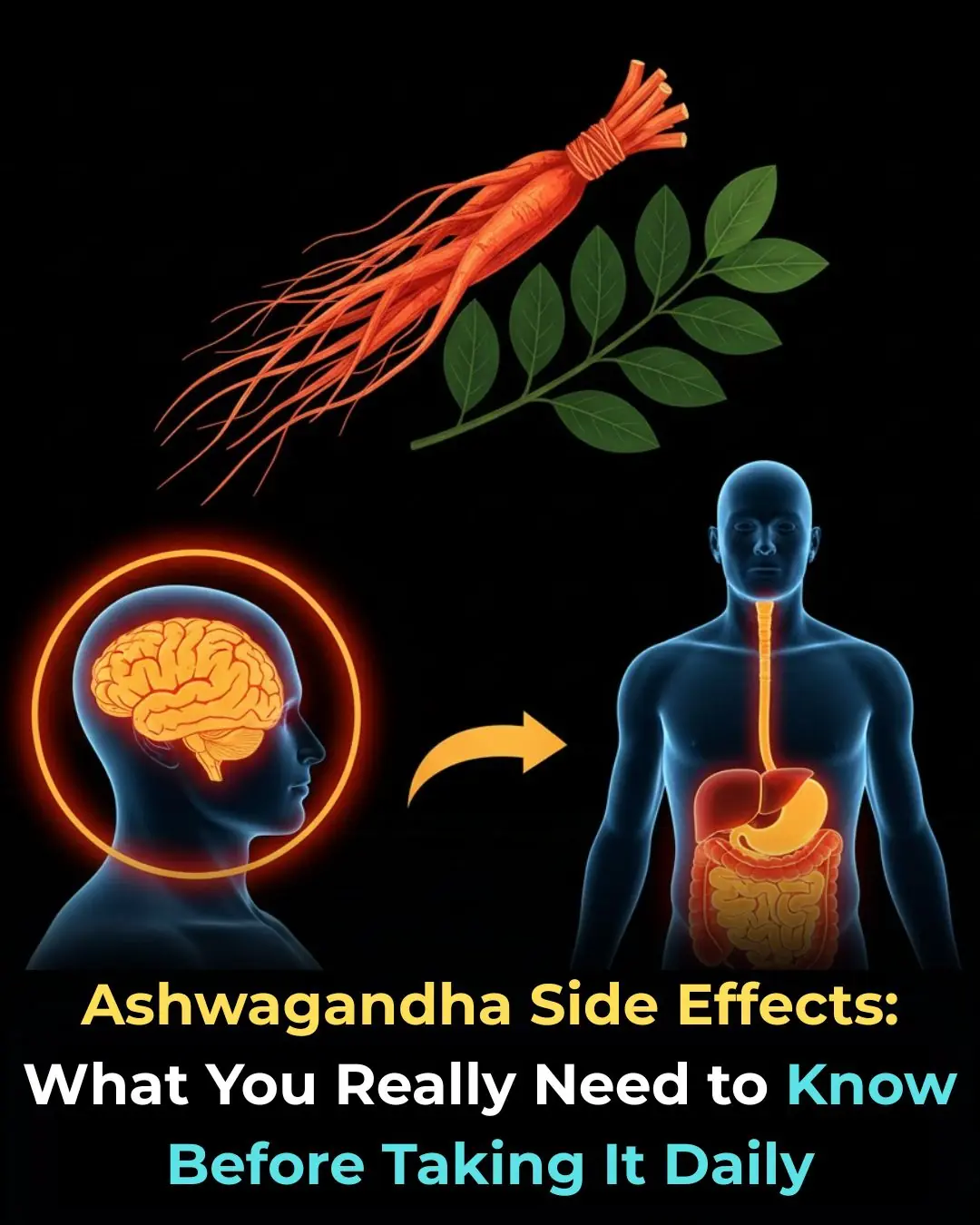
Ashwagandha has exploded in popularity as a natural remedy for stress, sleep issues, and enhanced performance. Many people swear by its benefits — improved mood, reduced anxiety, better sleep, and even stronger workouts. But like any supplement that affects your hormones and nervous system, Ashwagandha isn’t universally harmless. For some, prolonged use can trigger side effects that become impossible to ignore.
This CKD Health guide breaks down exactly why Ashwagandha causes these reactions, how it interacts with different hormone systems, and what signs you should watch for if you’re considering daily use.
Ashwagandha increases thyroid hormone levels — GREAT if you’re low, but risky if your thyroid is already normal or high.
Possible side effects:
Nervousness
Fast heart rate
Trouble sleeping
Feeling overstimulated
This happens because thyroid hormones elevate metabolism and activate the nervous system. If levels go too high, the “energy boost” becomes anxiety-like symptoms.
People at higher risk:
• Those with high thyroid function
• Low-carb dieters (because thyroid hormones need glucose to function normally)
Some research even suggests Ashwagandha may suppress your natural thyroid-stimulating hormone (TSH) — similar to how long-term steroid use suppresses testosterone. This makes long-term daily supplementation questionable.
Ashwagandha activates GABA-A receptors, which calm the nervous system. This is why people use it for sleep and anxiety.
But if your GABA system is already healthy, increasing it too much can cause:
Excessive tiredness
Feeling “flat” or unmotivated
Daytime sedation
You’re more likely to feel this if you also use calming supplements like valerian, lemon balm, L-theanine, or taurine.
Balancing tip:
NMDA-supporting compounds such as creatine or D-aspartic acid may help counter excessive sedation.
Ashwagandha increases serotonin signaling, which can improve mood. But too much serotonin suppresses dopamine — the neurotransmitter responsible for motivation and pleasure.
This can lead to anhedonia, meaning:
Loss of interest in things you normally enjoy
Low motivation
Low sex drive
If this happens, stop taking Ashwagandha immediately.
Preventive support includes dopamine precursors like:
Tyrosine
Phenylalanine
Mucuna pruriens
Ashwagandha can alter adrenaline receptor activity. For some people, this improves alertness — but for others, it causes:
Nervousness
Racing heartbeat
Difficulty sleeping
Timing matters.
Best time to take it: mid-afternoon.
Avoid taking Ashwagandha in:
Early morning → may suppress your natural cortisol rise
Evening → may cause insomnia
This is Ashwagandha’s primary mechanism for reducing stress. But lowering cortisol TOO much can cause:
Fatigue
Feeling sluggish
Poor stress tolerance
Emotional “grayness”
Combine this with increased GABA and serotonin, and the result can feel like emotional blunting or low drive.
This is the #1 reason many people quit Ashwagandha after weeks or months of use.
Current research does not support the idea that Ashwagandha is liver-toxic when taken at normal doses.
Rare case reports typically involve:
Extremely high doses
Unknown-quality products
Underlying liver conditions
Most studies show the opposite: Ashwagandha may support liver health.
But like anything, excessive dosing can overwhelm the liver — even caffeine can cause liver failure when abused.
Avoid or use with caution if you:
Have hyperthyroidism
Take antidepressants
Take sedative herbs
Have low blood pressure
Have hormone-sensitive conditions
Experience anhedonia or fatigue after starting it
And NEVER take daily long-term without breaks.
Start with LOW doses (300 mg/day)
Avoid daily use for months on end
Take breaks (e.g., 5 days on, 2 days off — or 6 weeks on, 2 weeks off)
Monitor thyroid symptoms, motivation, sleep, and mood
Get bloodwork before long-term use
Ashwagandha can be a powerful tool for stress, mood, and performance — but it’s not universally safe, and not everyone’s system responds the same way. Understanding how it affects thyroid hormones, cortisol, serotonin, GABA, and adrenaline will help you decide whether it’s right for your body.
If you notice fatigue, emotional blunting, nervousness, insomnia, or loss of motivation, your body may be signaling that Ashwagandha isn’t the right fit for you — or that it’s time for a break.