Always the Strong One: The Emotional Cost of Holding Everything Together
Facts 16/12/2025 16:47
New Research Shows Covid-19 May Prematurely Age Women’s Blood Vessels — Even After Mild Illness
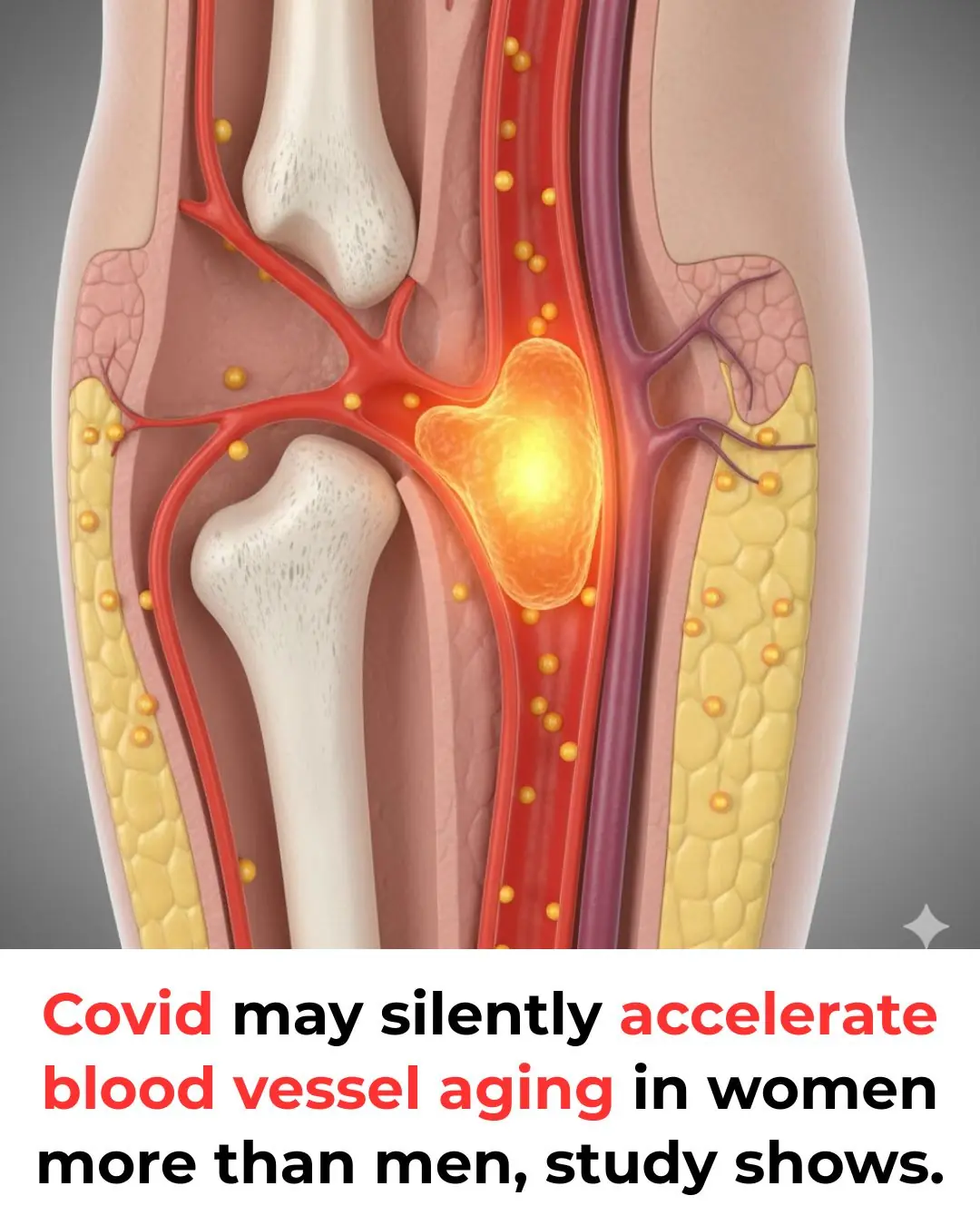
Recent scientific research has revealed a surprising and concerning effect of Covid-19 on the cardiovascular system, particularly in women. A large international study has found that women who have recovered from Covid-19 — even those with mild symptoms — show signs of premature aging in their blood vessels, as if their arteries were several years older than expected. This discovery has significant implications for long-term heart and vascular health.
To understand this link, researchers measured arterial stiffness — a key marker of vascular aging — using a standard clinical test called carotid-femoral pulse wave velocity (PWV). This method evaluates how fast a pulse of blood travels from the neck (carotid artery) to the legs (femoral artery). Faster pulse waves indicate stiffer arteries, which is a classic sign of vascular aging and a well-established risk factor for cardiovascular diseases like heart attacks and strokes.
The study, published in the European Heart Journal and involving nearly 2,400 participants from 16 countries, assessed PWV readings six and twelve months after Covid-19 infection. Across all groups who had experienced Covid — including people who were never hospitalized — the arteries were significantly stiffer than those in people who had never been infected. On average, the increase in arterial stiffness among women was equivalent to about five additional years of vascular aging.
Importantly, the extent of this effect correlated with the severity of illness. Women who had mild Covid showed smaller increases in PWV, while those who were hospitalized showed greater stiffening. Women treated in intensive care units had the most dramatic increases in arterial stiffness — in some cases equivalent to nearly a decade of vascular aging.
One of the most notable findings from the study is that this accelerated vascular aging was significant in women but not in men. Scientists propose several possible explanations:
Immune response differences: Women generally mount a stronger immune response than men, which can be beneficial in fighting infections but may also increase inflammation and tissue damage. This heightened inflammatory response might contribute to more pronounced arterial stiffening after Covid-19.
Hormonal factors: Estrogen and other sex hormones influence immune and vascular function, and changes in these systems after infection may affect how blood vessels respond to damage. Researchers are still exploring exactly how these mechanisms work.
Endothelial dysfunction: Covid-19 can directly affect the endothelial cells that line blood vessels via the ACE2 receptors, leading to dysfunction and vascular damage.
These findings align with other research showing that cardiovascular complications can persist long after the acute phase of Covid-19, even in patients who experienced only mild respiratory symptoms.
There is some encouraging news within these concerning results. The study found that arterial stiffness tended to stabilize or improve over time in people who were infected, suggesting that some recovery of vascular function may occur months after infection.
Additionally, individuals who had been vaccinated against Covid-19 before infection generally showed less evidence of vascular aging compared with those who had not been vaccinated. This suggests that vaccines may help protect not only against severe acute disease but also against certain long-term vascular effects.
Stiffer arteries are not just a clinical curiosity; they are associated with a higher risk of cardiovascular disease, including heart attack and stroke. For example, an increase in PWV of about 0.5 meters per second — similar to that observed in women after mild Covid infection — has been linked to a measurable increase in cardiovascular risk.
Experts say this research highlights the importance of ongoing monitoring of cardiovascular health in people who have had Covid-19, especially women. Regular check-ups, blood pressure management, maintaining a healthy lifestyle (diet, exercise, and weight control), and managing other risk factors like cholesterol could help mitigate long-term consequences.
In summary, growing evidence indicates that Covid-19 may have lingering effects on the cardiovascular system, with women appearing to be particularly vulnerable to premature vascular aging. While recovery and vaccination may lessen these effects, the findings underscore the need for continued research and proactive cardiovascular care among Covid survivors. Even mild cases of Covid should be taken seriously when considering long-term vascular health.