Lactose Intolerance: Why It Develops Later in Life and How to Manage It
Health 15/12/2025 19:18

Have you ever felt a persistent cough, a constant urge to clear your throat, or a strange lump that just won’t go away?
Most people shrug it off. But a groundbreaking study from the University of Southampton reveals that chronic throat problems might not be as harmless as they seem.
New evidence suggests they may interfere with your body’s ability to regulate blood pressure — increasing long-term cardiovascular risk.
This article breaks down the research, explains the science in simple terms, and shows why paying attention to throat symptoms may protect your heart.
New Discovery: Chronic throat symptoms are linked to weaker blood pressure regulation.
The Vagus Nerve: Because this nerve manages both airway protection and blood pressure control, irritation in the throat can overload it.
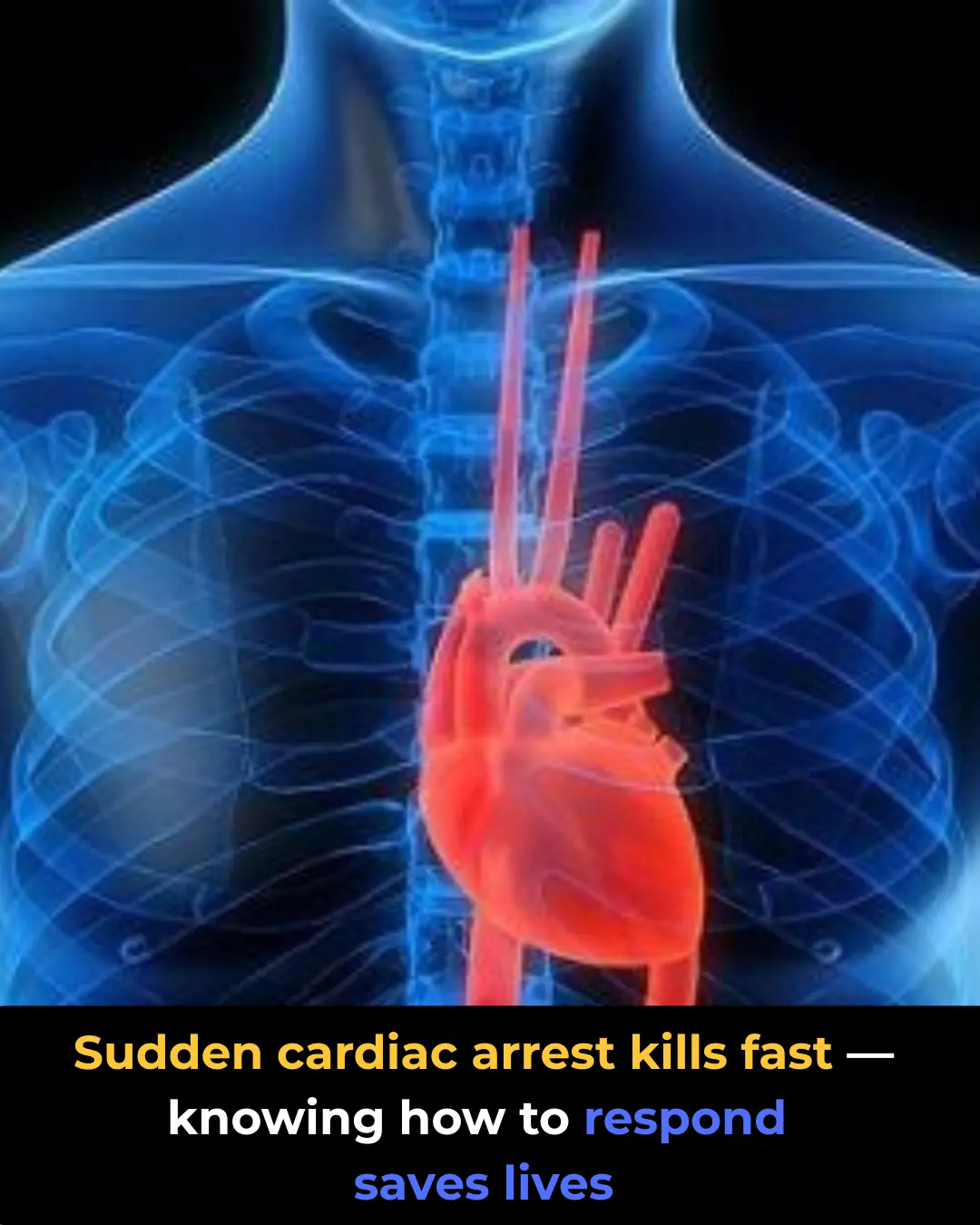
Higher Risks: Poor baroreflex function can increase the chances of hypertension, heart attack, and stroke.
Common Triggers: Acid reflux, viral infections (including COVID-19), and nerve irritation.
At the center of this discovery is one powerful messenger: the vagus nerve.
It runs from the brainstem through the neck and chest into the abdomen, controlling:
Heart rate
Blood pressure
Digestion
Swallowing
Airway protection
Its job is to constantly monitor and adjust your body’s internal balance — especially your baroreflex, the mechanism that stabilizes blood pressure when you change positions or move.
When your throat is irritated — from reflux, chronic coughing, or inflammation — the vagus nerve reroutes its energy toward protecting the airway.
According to study lead author Professor Reza Nouraei:
“Our survival depends on the throat separating air and food passages when we swallow. When the throat is irritated, the vagus nerve prioritizes this function."
And when that happens, blood pressure regulation takes a hit.
Researchers compared two groups:
23 patients with throat-related symptoms
30 patients with stomach-centered reflux issues
Even though both groups had reflux, their internal responses were very different.
Higher resting heart rates
Lower overall blood pressure
Significantly weaker baroreflex sensitivity
Signs of autonomic imbalance (“autonomic distress”)
This means their bodies struggled to make the rapid adjustments required to stabilize blood pressure — something critical for preventing dizziness, fainting, vessel damage, and long-term heart strain.
Since COVID-19, more people than ever report:
Lingering cough
Voice changes
Persistent throat irritation
That “lump in the throat” sensation
These symptoms may be signs that the vagus nerve is irritated or overworked.
When the vagus nerve can’t regulate blood pressure effectively, your cardiovascular system carries the burden, potentially increasing long-term risks such as:
Hypertension
Arrhythmias
Heart attacks
Stroke
This research suggests that a chronic throat problem is not just a throat problem — it’s a whole-body issue.
The study sheds light on something often overlooked:
Symptoms in one part of the body can reveal stress in a completely different system.
Persistent throat symptoms may indicate:
Hidden acid reflux
Vagus nerve irritation
Autonomic nervous system overload
Professor Nouraei explains:
“If throat problems are taking up the vagus nerve’s resources, fixing them could help the nerve function better throughout the body.”
If you have symptoms such as:
A long-lasting cough
Frequent throat clearing
Hoarseness
A “lump” in the throat
Difficulty swallowing
…it’s worth speaking with your doctor — not just for comfort, but for the sake of your cardiovascular health.
Early evaluation and treatment could support both your throat and your heart.
This new research reveals something eye-opening:
Your throat and your blood pressure are more connected than anyone believed.
By recognizing symptoms early and seeking proper evaluation, you can support your vagus nerve, improve your autonomic balance, and potentially protect your heart long-term.
If chronic throat issues are affecting you, don’t ignore them. Your throat might be trying to warn you about something deeper.