Lactose Intolerance: Why It Develops Later in Life and How to Manage It
Health 15/12/2025 19:18
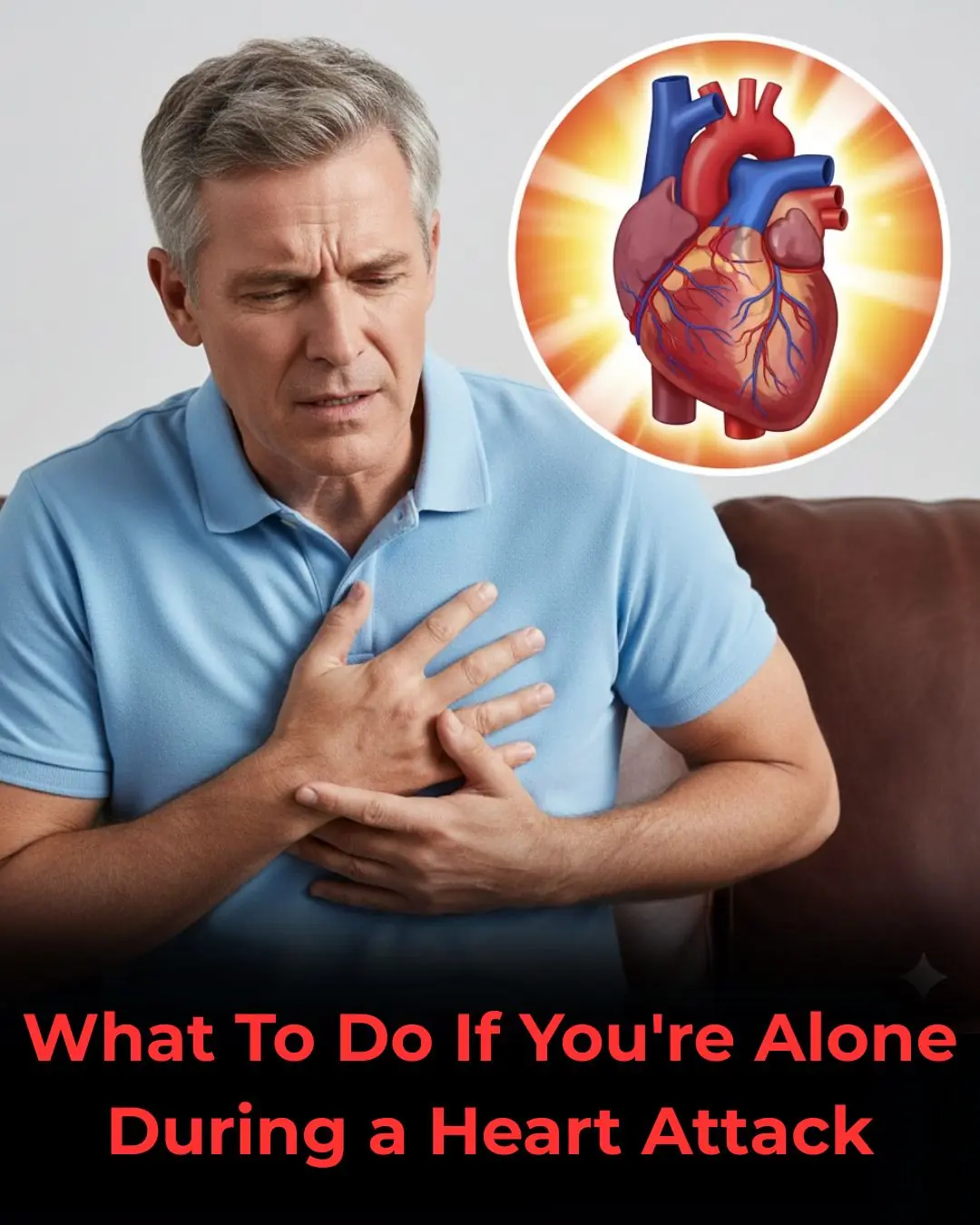
Heart attacks are one of the leading causes of death worldwide, yet many people still don’t know how to respond when symptoms strike — especially if it happens while they’re alone. Immediate action can mean the difference between survival and irreversible heart damage. This guide will help you recognize the symptoms and understand exactly what to do in those first critical moments.
Learn the early warning signs of a heart attack
Call emergency services right away
Chew aspirin only if instructed by medical dispatch
Position your body to ease strain on the heart
Avoid food, drink, or driving until help arrives
A heart attack occurs when blood flow through the coronary arteries becomes blocked. This blockage is usually caused by a buildup of plaque — a mixture of cholesterol, fat, and inflammatory substances. Once blocked, oxygen can’t reach the heart muscle, causing tissue damage that becomes more severe with each passing minute.
People at higher risk include those with high blood pressure, diabetes, high cholesterol, obesity, smoking habits, or a family history of cardiovascular disease.
Recognizing symptoms early is crucial for survival. Heart attack symptoms can vary, but here are the most common warning signs:
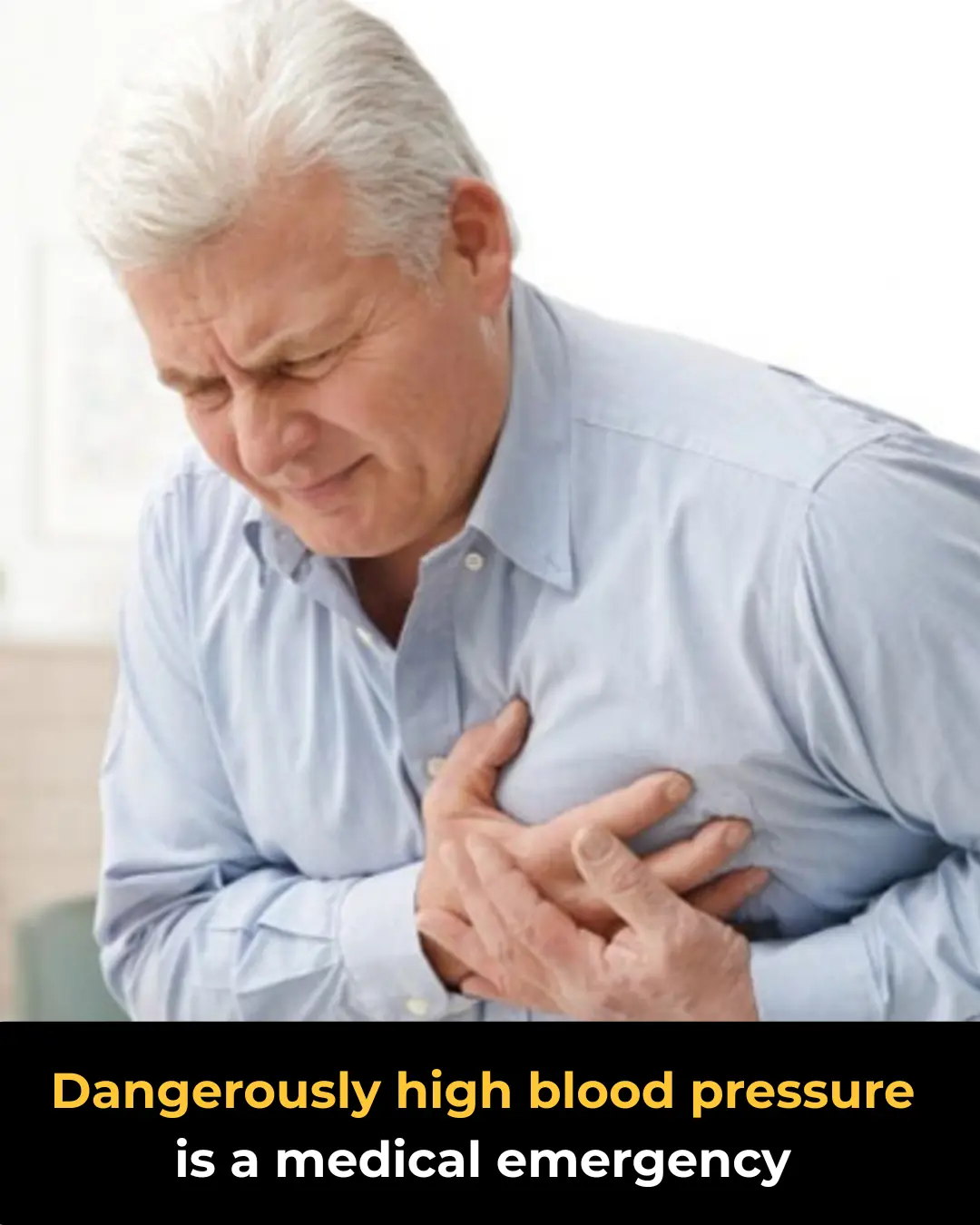
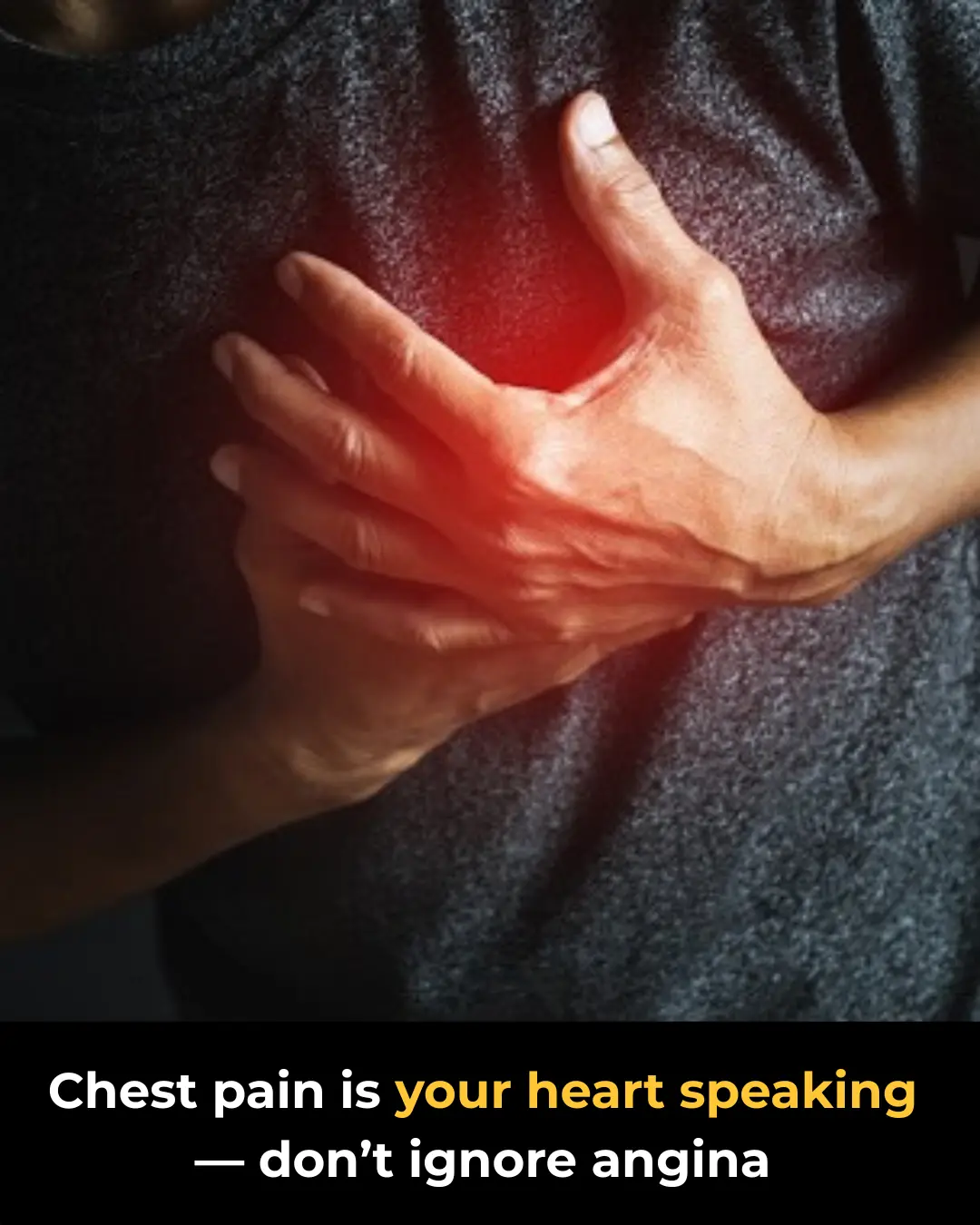
A feeling of tightness, squeezing, pressure, heaviness, or burning in the center or left side of the chest. Many describe it as “an elephant sitting on my chest.”
Pain may spread to the arms, shoulders, back, neck, jaw, or upper stomach.
Breathing becomes difficult even without physical exertion.
Sudden sweating without a clear cause.
Often mistaken for acid reflux or stomach upset.
You may feel faint or unsteady.
More common in women, sometimes days or weeks before the event.
Fluttering, fast beats, or skipped beats.
Important: Not all heart attacks look the same. Some are “silent,” with mild discomfort that people ignore — especially women and people with diabetes.
If symptoms appear suddenly or build up over minutes, take action immediately:
Dial 911 or your local emergency number.
This is the single most important step — do NOT try to “wait it out.”
The dispatcher may guide you through life-saving instructions.
Chew 1 full-dose (325 mg) or two baby aspirins (81 mg each).
Chewing absorbs faster and helps reduce clot formation.
Stress increases heart workload. Try breathing slowly and deeply.
Sit or lie on the floor with your back supported and knees bent.
This reduces strain on the heart and helps with breathing.
Food can interfere with emergency treatment.
If you’re able, unlock the door so paramedics can enter quickly.
Driving yourself is extremely dangerous — many people collapse behind the wheel during heart attacks. Always wait for medical professionals.
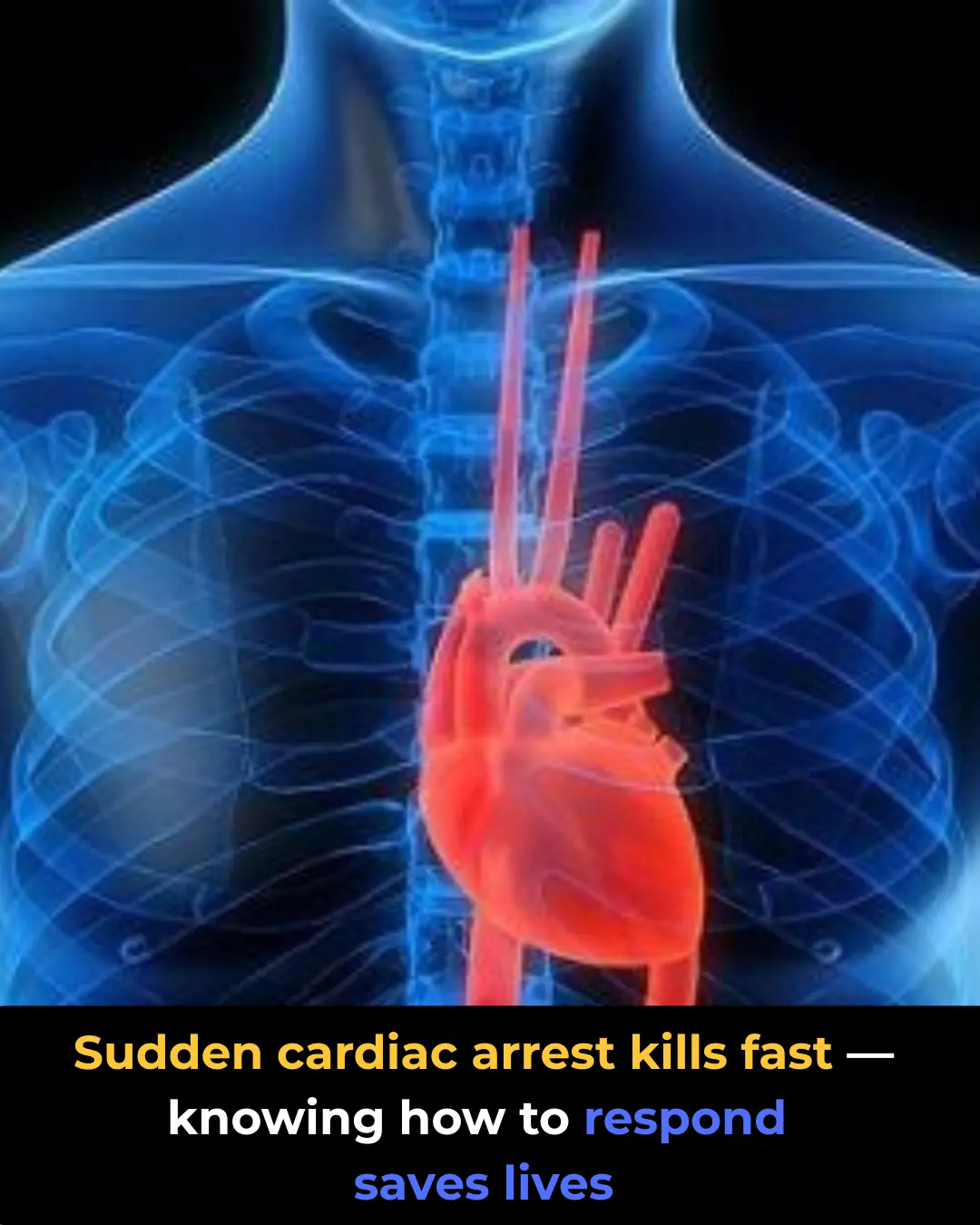
A heart attack can escalate from mild discomfort to cardiac arrest in minutes. Knowing what steps to take dramatically increases your chances of survival. Share this information with family and friends — it could save a life.
Heart attacks are medical emergencies, but with quick recognition and fast action, survival rates improve significantly. If you're alone and suspect a heart attack, prioritize calling emergency services, chew aspirin only when advised, position your body safely, and avoid any activity that strains your heart. Your life may depend on these first critical decisions.