You Don’t Need 10,000 Steps: How Just 4,000 Steps a Few Days a Week Can Significantly Boost Health and Longevity
Facts 15/12/2025 16:56
A Potential Cure for Type 1 Diabetes May Be Within Reach
Recent advancements in medical science suggest that a potential cure for type 1 diabetes could be within our grasp. In a pioneering trial, a patient has begun producing his own insulin after receiving a transplant of gene-edited pancreatic islet cells. What makes this development especially significant is that the patient has not required any immunosuppressive drugs, a groundbreaking achievement in the treatment of this condition. This trial marks the first time that donor islet cells have been genetically engineered to fully evade the human immune system, offering a new avenue for curing type 1 diabetes.
Type 1 diabetes is an autoimmune condition in which the body's immune system mistakenly attacks and destroys the insulin-producing islet cells in the pancreas. As a result, individuals with this condition are left reliant on external insulin to regulate their blood glucose levels. Traditional treatments for type 1 diabetes typically involve lifelong insulin injections or, in some cases, organ transplants, such as a pancreas or islet cell transplant. However, these transplant procedures require the use of immunosuppressive drugs to prevent the body from rejecting the transplanted cells, a practice that carries significant risks, including increased vulnerability to infections and other complications.
The trial in question involved a 42-year-old man who had been living with type 1 diabetes since childhood. This patient was treated with genetically modified islet cells obtained from a donor. The cells were injected into the patient's forearm, where they began to function and respond to glucose by producing insulin naturally. What made this experiment particularly revolutionary was the fact that the patient did not need to take any immunosuppressive drugs to prevent rejection. This marks a remarkable departure from traditional transplant protocols.
Before the transplant, researchers used the CRISPR gene-editing technology to make three crucial changes to the donor cells. Two of these edits removed markers that the immune system would typically use to identify the cells as foreign, while the third addition involved the insertion of the CD47 protein. This protein helps to block innate immune responses, ensuring that the transplanted cells are not attacked by the body's defense mechanisms. These genetic modifications allowed the transplanted islet cells to survive and function without being destroyed by the immune system.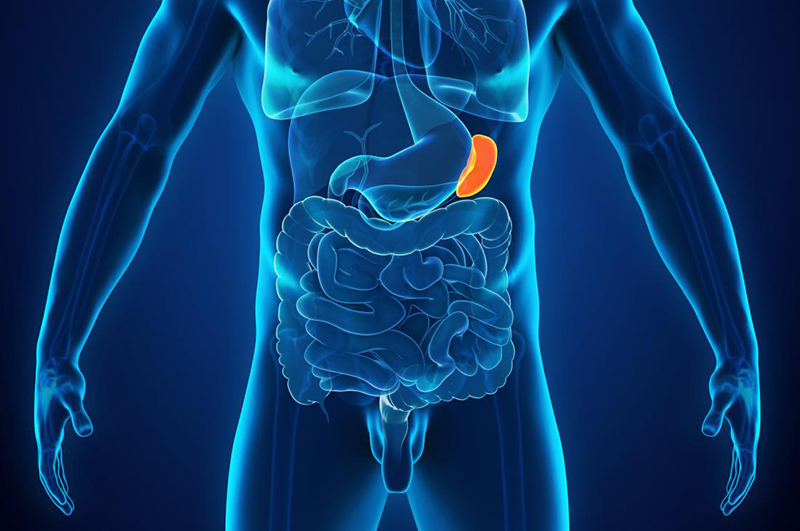
Over the course of 12 weeks, the gene-edited cells began to respond to glucose levels in the patient's body, producing insulin as needed. The most promising part of the trial was that only the cells with all three genetic modifications survived and continued to function properly. This confirmed that the gene-editing strategy was effective in preventing immune rejection and ensuring that the transplanted cells could perform their intended function. While the patient did not receive enough cells to completely eliminate his reliance on external insulin, this study demonstrates that immune-evasive, functional cell therapies can survive and operate within the human body, opening up exciting possibilities for the future of diabetes treatment.
The results of this trial offer a glimmer of hope for millions of individuals suffering from type 1 diabetes. If further studies can replicate these findings and improve upon the technology, gene-edited pancreatic islet cell transplants could become a standard treatment, potentially leading to a cure for the disease. Moreover, this breakthrough in gene editing holds the promise of transforming the way autoimmune diseases are treated, not just for diabetes but for a variety of other conditions that involve the immune system attacking the body’s own cells.
In the coming years, researchers will need to conduct further trials to refine this process, increase the success rate of the transplant procedure, and determine how to expand the number of patients who could benefit from it. However, the success of this study provides a crucial stepping stone toward a future where type 1 diabetes may no longer be a lifelong condition but a treatable illness, offering hope to millions around the world.
Source: “Survival of Transplanted Allogeneic Beta Cells with No Immunosuppression,” New England Journal of Medicine (2025).
Additionally, these findings were reported by multiple reputable sources, including the National Institutes of Health (NIH) and Nature Medicine, both of which are highly respected for their contributions to scientific research. The advancements in gene-editing techniques like CRISPR have already demonstrated immense potential in the field of medicine, and this study serves as a promising example of how these tools can be used to overcome some of the most challenging diseases affecting humanity.