Always the Strong One: The Emotional Cost of Holding Everything Together
Facts 16/12/2025 16:47
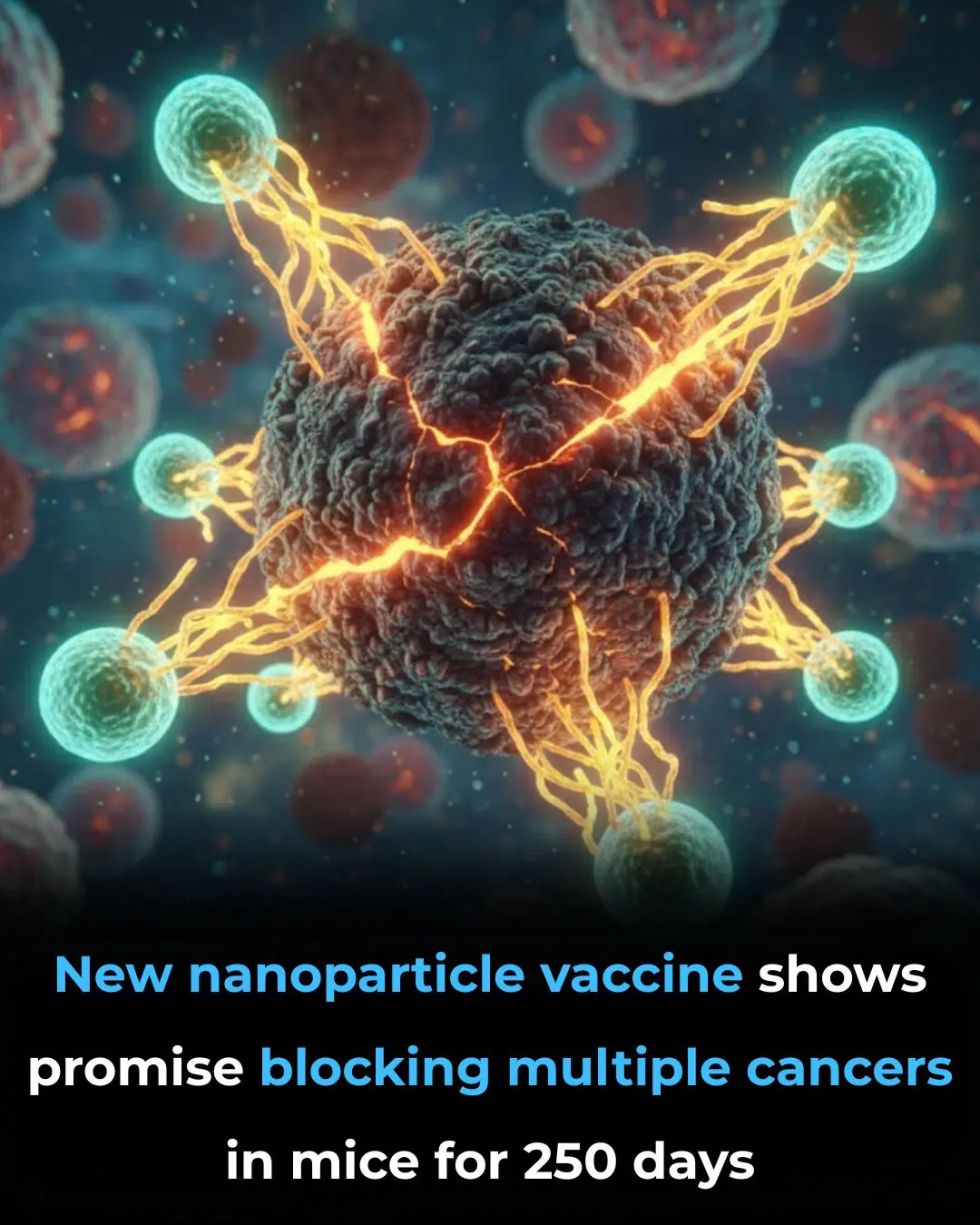
Early-Phase Trial of a Novel Cancer Vaccine Shows Promise in Pancreatic Cancer Patients
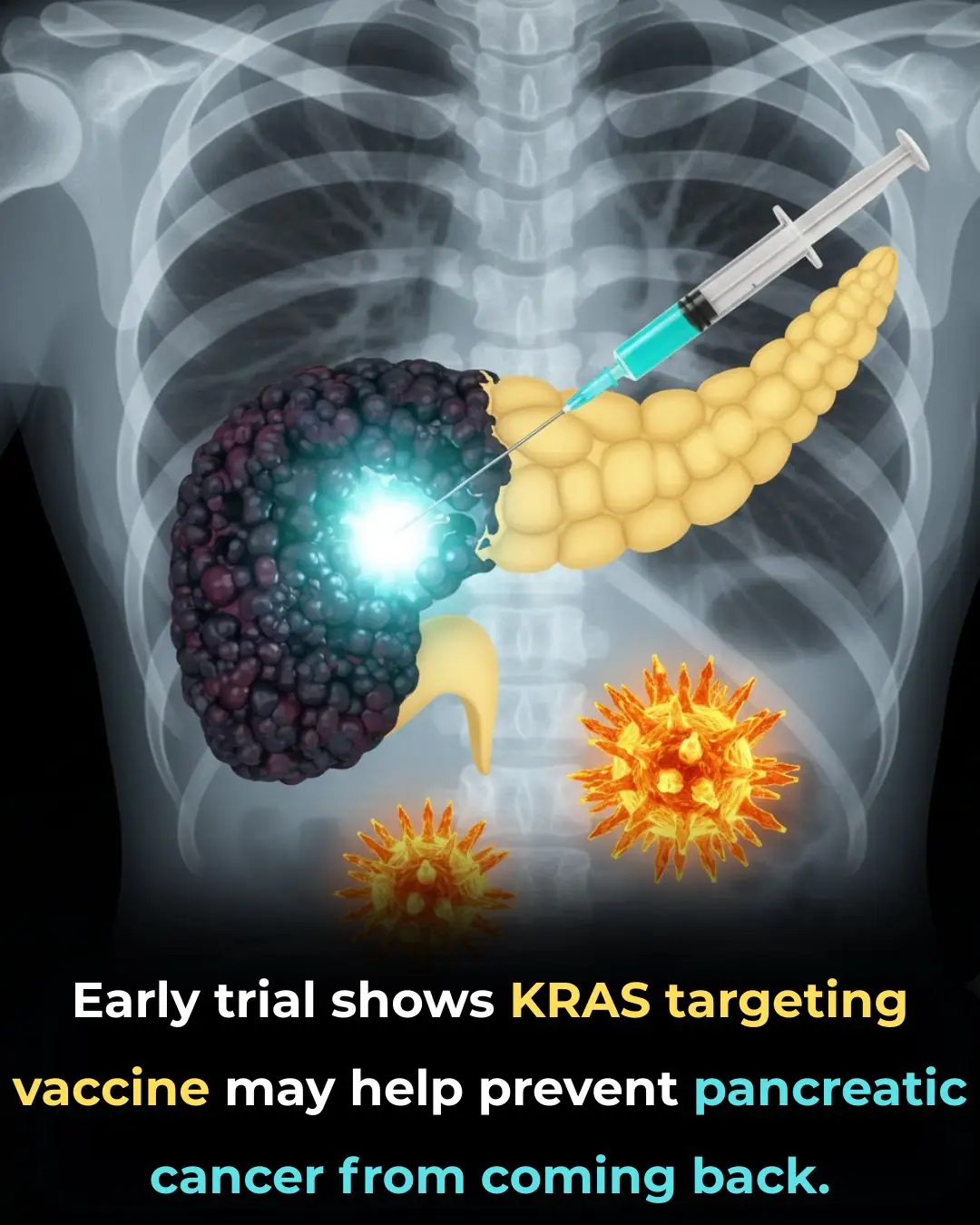
A new therapeutic cancer vaccine, ELI-002 2P, has generated promising results in an early-phase clinical trial involving patients with pancreatic cancer, offering renewed hope in the fight against one of the most lethal malignancies. The vaccine is specifically designed to mobilize the body’s immune system against cancer cells harboring mutations in the KRAS gene, which are present in up to 90% of pancreatic cancers and are thought to drive tumor growth and progression.
The KRAS oncogene is notoriously difficult to target with conventional therapies. Changes in this gene lead to altered KRAS proteins that continuously signal cells to divide uncontrollably. By training the immune system to recognize these mutant proteins, ELI-002 2P aims to teach patients’ immune defenses to seek out and destroy cancer cells before they can establish new tumors or cause relapse.
In the phase 1 AMPLIFY-201 trial, patients who had undergone surgical removal of their pancreatic tumors received the vaccine as an adjuvant therapy—meaning it was given after surgery to help prevent the cancer from returning. The results showed that the vaccine was able to elicit strong T-cell immune responses, with approximately 84% of patients developing robust KRAS-specific T cells after vaccination. Those with stronger immune responses tended to have significantly longer periods without cancer recurrence and improved overall survival compared with those whose immune responses were weaker.
Importantly, the phase 1 study reported no dose-limiting toxicities or severe safety concerns, and the most common side effects were mild, such as fatigue and injection site reactions. These findings support the vaccine’s favorable safety profile at the doses tested.
Unlike many personalized cancer vaccines, which must be custom-made for each individual patient, ELI-002 2P is an “off-the-shelf” vaccine. This means it can be manufactured in advance, stored, and administered without the need for customization, potentially making it faster, more accessible and more cost-effective than bespoke vaccines tailored to individual tumor profiles.
The intermediate clinical data showed encouraging outcomes: median recurrence-free survival (RFS) in the treated cohort was around 16.3 months, and median overall survival (OS) was approximately 28.9 months, which compare favorably with historical outcomes in high-risk pancreatic cancer patients treated with standard therapy alone. Moreover, patients with particularly high immune responses to the vaccine showed even greater survival benefit, suggesting a strong correlation between immune activation and clinical outcomes.
While these results are preliminary, they are significant given the historically poor prognosis associated with pancreatic cancer. Many patients experience rapid relapse even after successful surgery and chemotherapy, and effective adjuvant therapies have been limited. The early data hint that a vaccine-based immunotherapy could reshape how pancreatic cancer is treated in the future.
Researchers caution, however, that larger phase 2 and phase 3 trials are necessary to confirm these findings and to fully establish the vaccine’s efficacy and long-term safety. Elicio Therapeutics, the biotechnology company developing ELI-002, is already advancing additional studies—including a phase 2 trial with a broader formulation targeting multiple KRAS mutations—which will provide more definitive evidence later this year.
If validated in larger populations, ELI-002 and similar KRAS-targeted immunotherapies could offer a powerful new tool against pancreatic cancer, a disease that has resisted many standard treatments and remains one of the leading causes of cancer death worldwide. Ongoing research suggests that combining such vaccines with other immunotherapies or conventional treatments may further improve patient outcomes in the future.